King’s Wood is one of Kent’s largest ancient woodlands. The 1500-acre forest located in the Kent Downs AONB is managed by the Forestry Commission and the Kent Stour Countryside Partnership and has a mix of broad-leafed and coniferous trees. The site is benefited from a diverse range of flora and fauna which can be explored via an array of trails and well-maintained paths. Historically King’s Wood was a royal hunting grounds frequented by Henry VIII and herds of fallow deer still roam here today.
I have been visiting the woods for years specifically during the spring months to photograph the stunning bluebell display. I have tended to shoot here at dawn as my day job usually limits my photography evenings to the weekends. The optimal time to capture bluebells might only last for a few weeks and for good light to fall on a weekend, as I am sure you all agree, can be quite rare! Fortunately the start of bluebell season this year coincided with the Easter bank holidays so I would get a few extra nights out in the woods; starting on Good Friday evening.
The vast size of King’s Wood means it can take a few exploratory trips to find promising spaces in which to shoot. From my previous trips, I knew of an area near to the northern boundary of the forest which would get unimpeded golden light if we were to be so lucky! I parked in the village of Molash and made my way into the woods via Pound Lane. Quickly I could see that the woods were probably a week away from their prime as the bluebell carpet was patchy and the woodland canopy quite bare but I was determined to make use of this bonus outing.
As I walked along the narrow trails through the bluebells a tree with a fresh set of green leaves sparked my attention. The low golden light had begun to penetrate the woods, illuminating the leaves and side-lighting the trunk of this tree which helped separate it from the darker background. With my 135mm f2 lens attached I shuffled around to find the best angle I could remaining careful to avoid trampling any flowers! I set up my tripod and with live view engaged I manually focussed onto the tree with a large aperture. By using a shallow depth of field, I could blur the background to further isolate the tree and also reduce the foreground bluebells to a pleasing haze of colour. Finally, I added my landscape polariser to reduce any glare and strengthen the vibrant colours on display this year.
Not a bad way to spend Good Friday!
King’s
Wood is one of Kent’s largest ancient woodlands. The 1500-acre
forest located in the Kent Downs AONB is managed by the Forestry
Commission and the Kent Stour Countryside Partnership and has a mix
of broad-leafed and coniferous trees. The site is benefited from a
diverse range of flora and fauna which can be explored via an array
of trails and well-maintained paths. Historically King’s Wood was a
royal hunting grounds frequented by Henry VIII and herds of fallow
deer still roam here today.
I
have been visiting the woods for years specifically during the spring
months to photograph the stunning bluebell display. I have tended to
shoot here at dawn as my day job usually limits my photography
evenings to the weekends. The optimal time to capture bluebells might
only last for a few weeks and for good light to fall on a weekend, as
I am sure you all agree, can be quite rare! Fortunately the start of
bluebell season this year coincided with the Easter bank holidays so
I would get a few extra nights out in the woods; starting on Good
Friday evening.
The
vast size of King’s Wood means it can take a few exploratory trips
to find promising spaces in which to shoot but I knew from previous
trips of an area near to the northern boundary of the forest which
would get unimpeded golden light if we were to be so lucky! I parked
in the village of Molash and made my way into the woods via Pound
Lane. Quickly I could see that the woods were probably a week away
from their prime as the bluebell carpet was patchy and the woodland
canopy quite bare but I was determined to make use of this bonus
outing.
As
I walked along the narrow trails through the bluebells a tree with a
fresh set of green leaves sparked my attention. The low golden light
had begun to penetrate the woods, illuminating the leaves and
side-lighting the trunk of this tree which helped separate it from
the darker background. With my 135mm f2 lens attached I shuffled
around to find the best angle I could remaining careful to avoid
trampling any flowers! I set up my tripod and with live view engaged
I manually focussed onto the tree with a large aperture. By using a
shallow depth of field, I could blur the background to further
isolate the tree and also reduce the foreground bluebells to a
pleasing haze of colour. Finally, I added my landscape polariser to
reduce any glare and strengthen the vibrant colours on display this
year.
Not
a bad way to spend Good Friday!
King’s
Wood is one of Kent’s largest ancient woodlands. The 1500-acre
forest located in the Kent Downs AONB is managed by the Forestry
Commission and the Kent Stour Countryside Partnership and has a mix
of broad-leafed and coniferous trees. The site is benefited from a
diverse range of flora and fauna which can be explored via an array
of trails and well-maintained paths. Historically King’s Wood was a
royal hunting grounds frequented by Henry VIII and herds of fallow
deer still roam here today.
I
have been visiting the woods for years specifically during the spring
months to photograph
the stunning bluebell display. I have tended to shoot here at dawn as
my day job usually limits my photography evenings to the weekends.
The optimal time to capture bluebells might only last for a few weeks
and for good light to fall on a weekend, as I am sure you all agree,
can be quite rare! Fortunately the start of bluebell season this year
coincided with the Easter bank holidays so I would get a few extra
nights out in the woods; starting on Good Friday evening.
The
vast size of King’s Wood means it can take a few exploratory trips
to find promising spaces in which to shoot but
I knew from previous trips of an area near to the northern boundary
of the forest which would get unimpeded golden light if we were to be
so lucky! I parked in the village of Molash and made my way into the
woods via Pound Lane. Quickly I could see that the woods were
probably a week away from their prime as the bluebell carpet was
patchy and the woodland canopy quite bare but I was determined to
make use of this bonus outing.
As
I walked along the narrow trails through the bluebells a tree with a
fresh set of green leaves sparked my attention. The low golden light
had begun to penetrate the woods, illuminating the leaves and
side-lighting the trunk of this tree which helped separate it from
the darker background. With my 135mm f2 lens attached I shuffled
around to find the best angle I could remaining
careful to avoid trampling any flowers! I set up my tripod and with
live view engaged I manually focussed onto the tree with a large
aperture. By
using a shallow
depth of field, I could blur the background to further
isolate
the tree and also reduce the foreground bluebells to a pleasing haze
of colour. Finally, I added my landscape polariser to reduce any
glare and strengthen the vibrant colours on display this year.
Not
a bad way to spend Good Friday!
King’s Wood is one of Kent’s largest ancient woodlands. The 1500-acre forest located in the Kent Downs AONB has a mix of broad-leafed and coniferous trees which is managed by the Forestry Commission and the Kent Stour Countryside Partnership. The site is benefited from a diverse range of flora and fauna which can be explored via an array of trails and well maintained paths. Historically King’s Wood was a royal hunting grounds frequented by Henry VIII and herds of fallow deer still roam today.
I have been visiting the woods for years specifically during the spring months to see the stunning bluebell display. I prefer to shoot here at dawn as my day job usually limits my photography evenings to the weekends. The optimal time to capture bluebells might only last for a few weeks and for good light to fall on a weekend, as I am sure you all agree, can be quite rare! Fortunately though the start of bluebell season this year coincided with the Easter bank holidays so I would get a few extra bonus nights out in the woods; starting this Good Friday evening.
The
vast size of King’s Wood means it can take a few exploratory trips
to find promising spaces in which to shoot. I knew from previous
trips of an area near to the northern boundary of the forest which
would get unimpeded golden light if we were to be so lucky. After
parking up in the village of Molash and making the way to my chosen
destination for the evening I could see that the woods were probably
a week away from prime conditions. The bluebell carpet was still a
little patchy and the woodland canopy had not yet hit it’s peak but
I was determined to make use of this unusual extra evening.
As
I walked along the narrow trails through the bluebells a tree with a
fresh set of green leaves got my attention. Low golden light had
begun to penetrate the woods, illuminating the leaves and
side-lighting the trunk of this tree which isolated it from the
darker background. With my 135mm f2 lens attached I sought to find
the best angle I could without trampling any flowers! I set up my
tripod and with live view engaged, I manually focussed on the tree
with a large aperture set. This would blur the background to help
isolate the tree and at the same time reduce the foreground bluebells
to a pleasing swash of colour. Finally I added my landscape polariser
to reduce any glare and strengthen the vibrant colours on display
this year.
Not a bad way to spend a Good Friday!
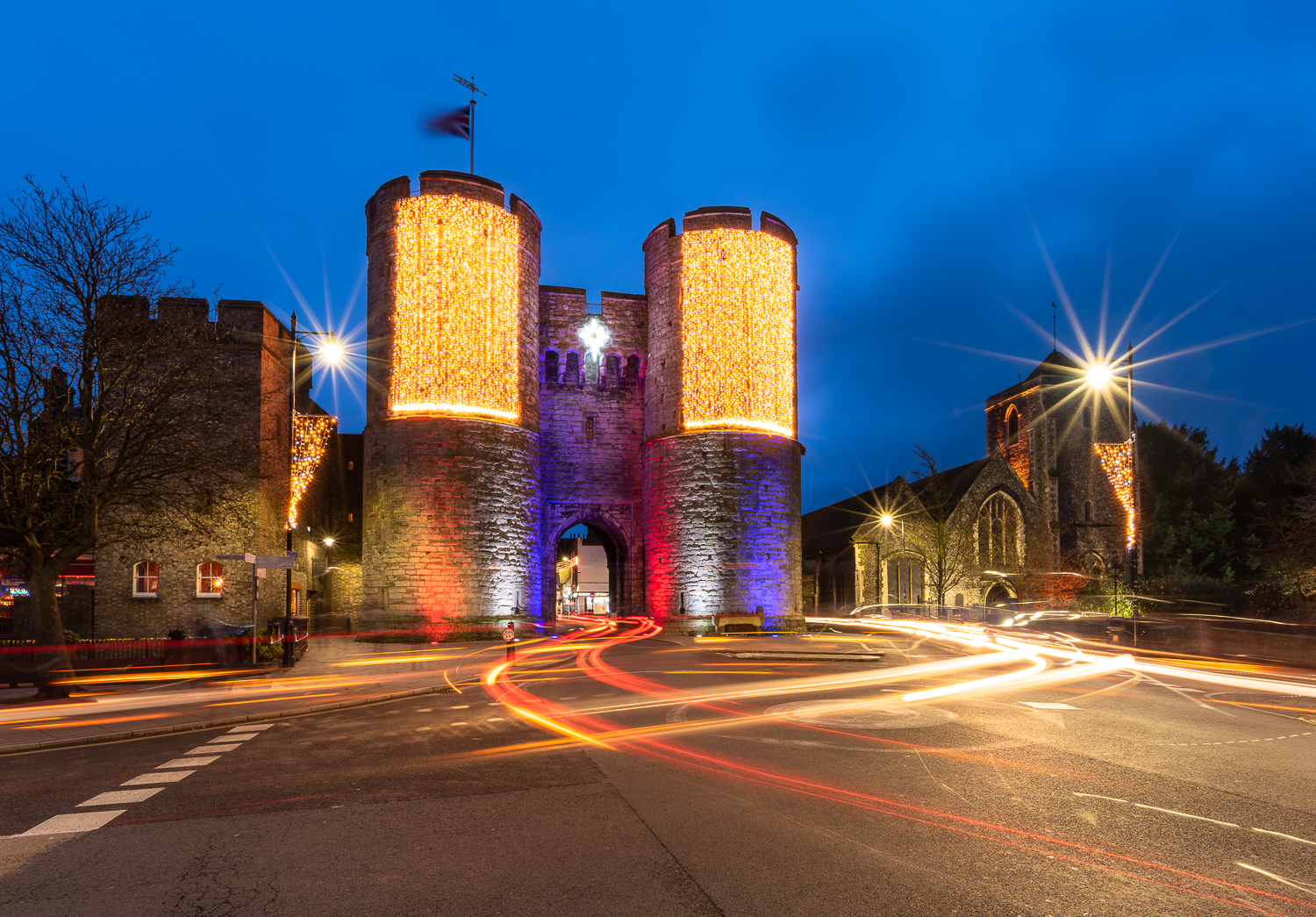
Christmas lights!
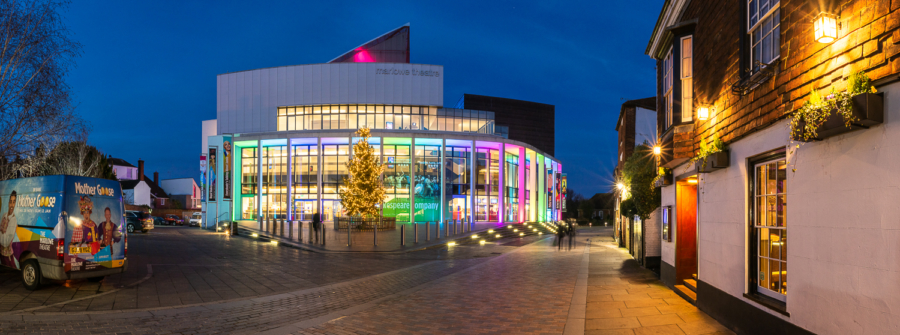
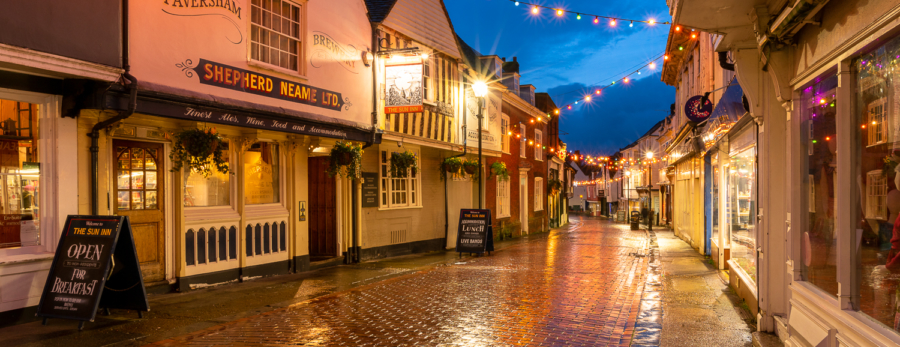
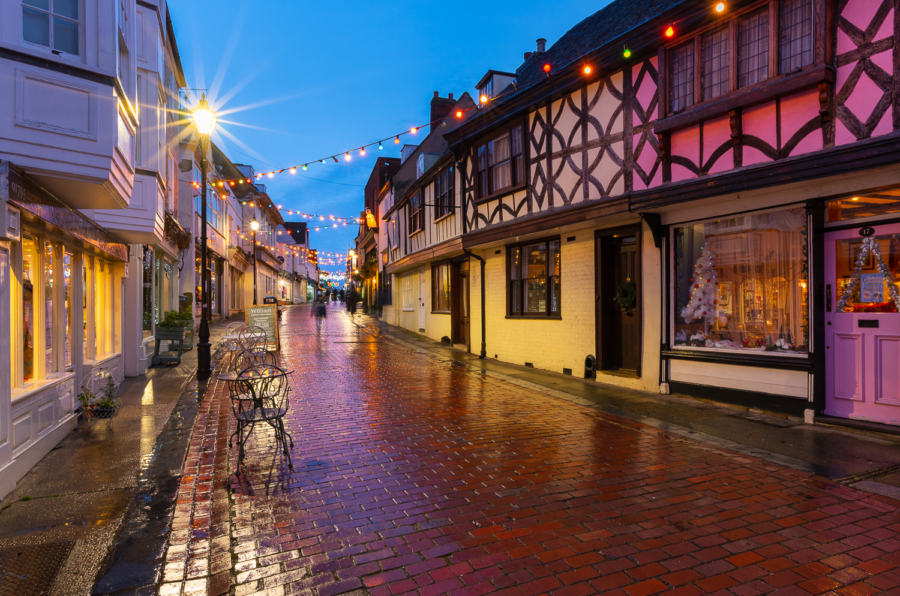
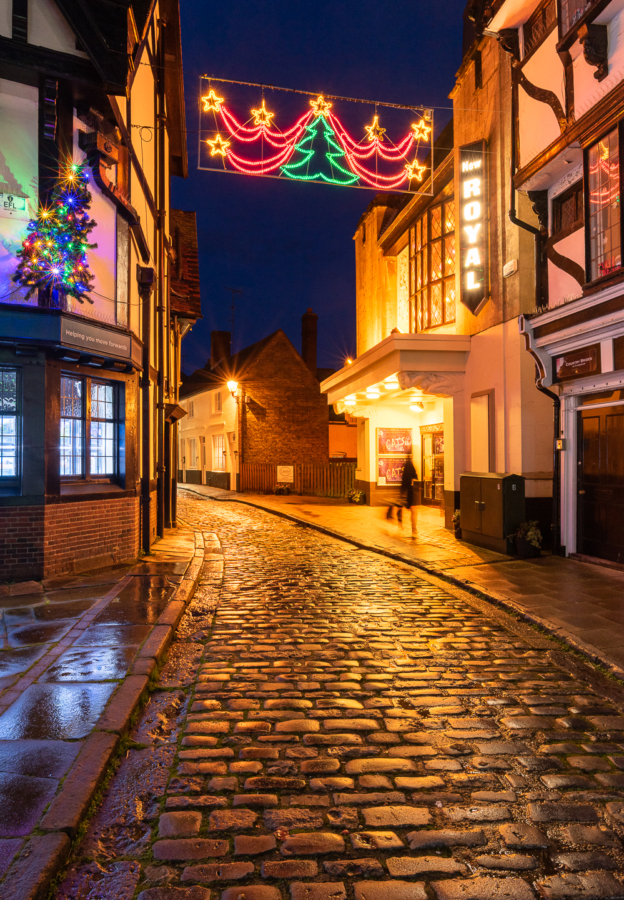
A selection of photographs from this years Christmas decorations from Canterbury, Faversham and Ramsgate Marina.
As I have been supplying images for calendars recently I thought it would be a good idea to shoot some festive images for next years designs. These images were all taken in December 2019 during the blue hour which would show the lights off at their best.
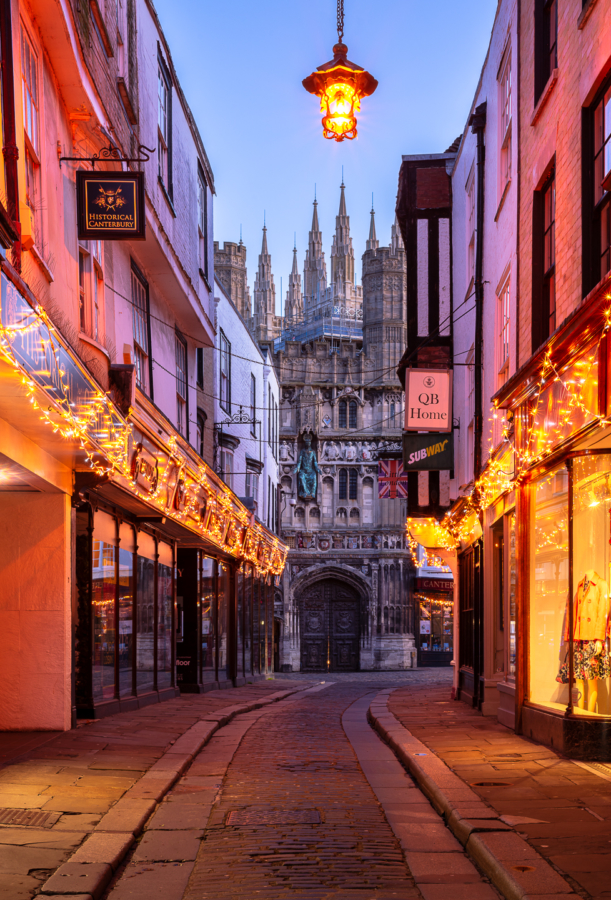
- Canterbury
I live in Canterbury so you would have thought I’d get these images easily. However, the crowds of shoppers at this time of the year made shooting in Mercery Lane near impossible so that one required an early Sunday start!
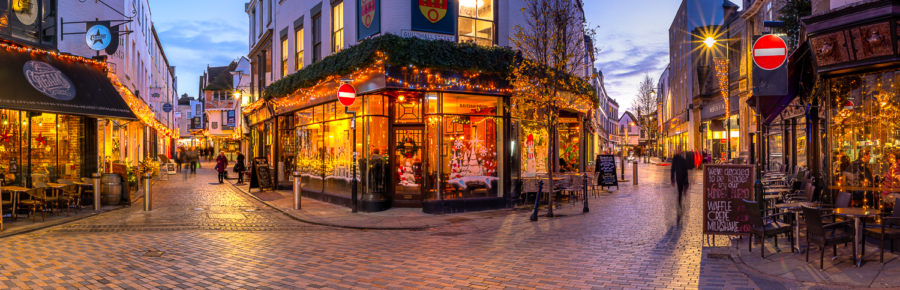
- Faversham
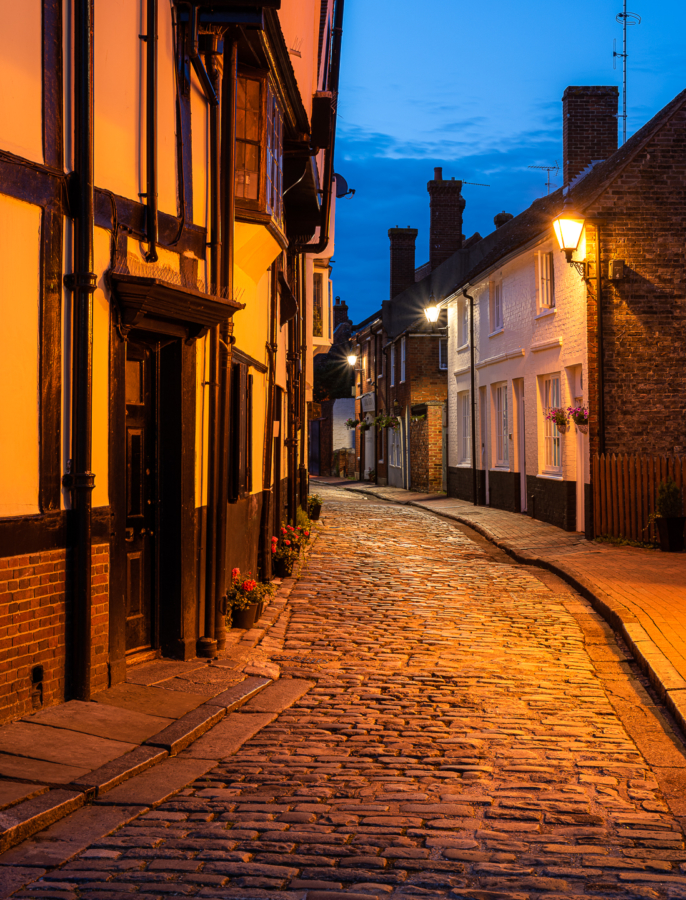
I was due to go into The Refinery to restock my greeting cards anyway so it made sense to shoot some Christmas lights here too. I was lucky that there was a light shower just before shooting which reflected the lights nicely on the town centre streets.
- Ramsgate
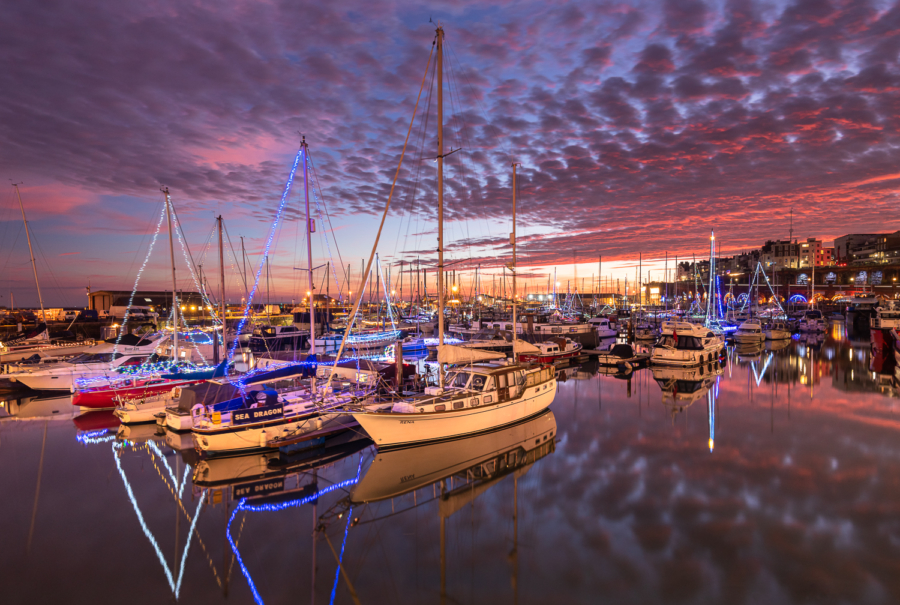
The illuminations at Ramsgate Marina in aid of the RNLI have been going for years but I had never made it over to see them. If I get sunsets like this every time I’ll go every year..!
Thanks and I hope you have enjoyed seeing my 2019 Christmas pictures 🙂
Behind the shot: A Kent Downs Cloud Inversion
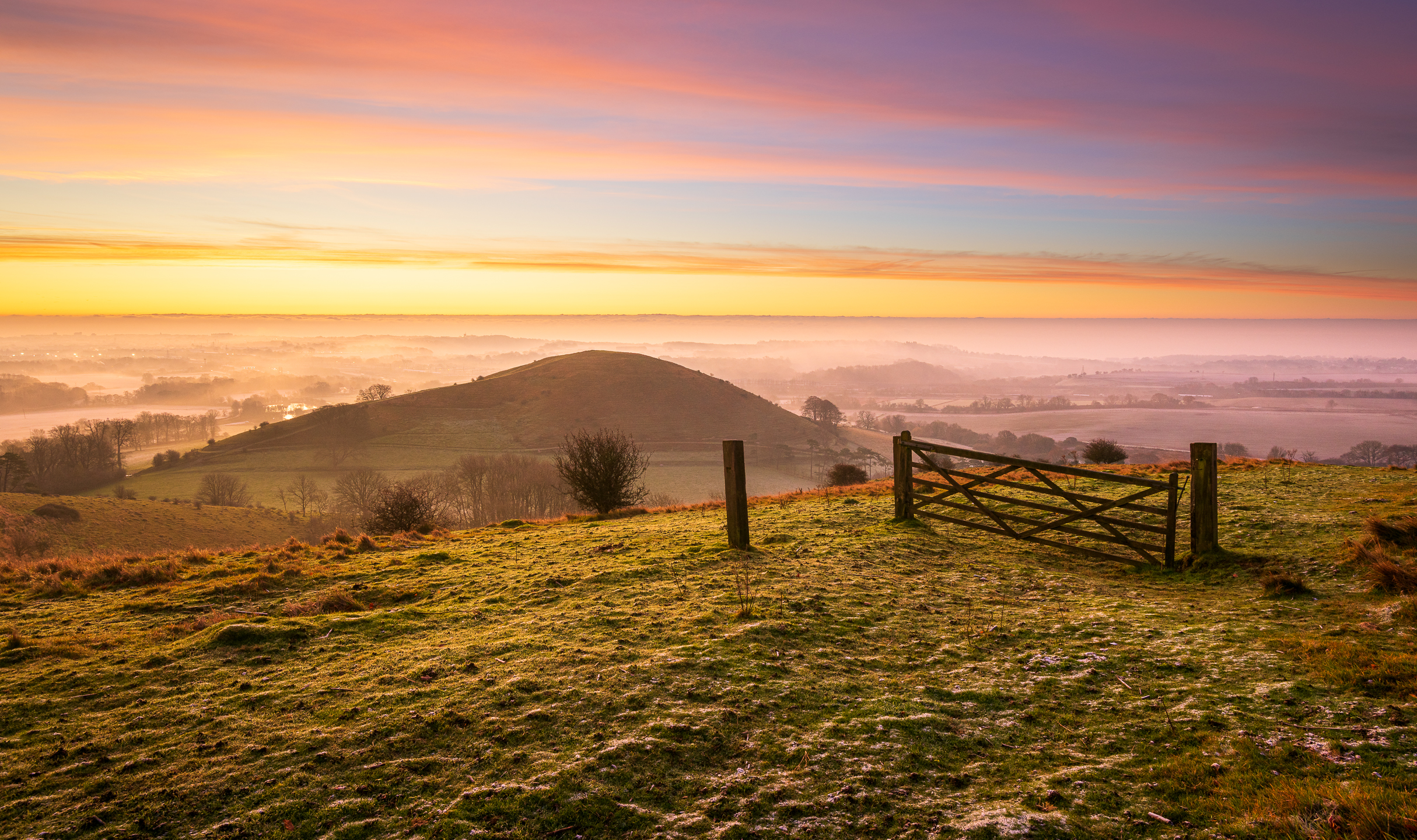
Behind the scenes look at a photograph I took at the beginning of December 2019 on the Kent Downs.
As I write this on New Year’s Eve, there has not been much winterly weather so far here in Kent with the only real spell of cold weather occurring at the start of the month. This brief 3-day spell did produce some fantastic mist and frost though which I am always keen to make use of in my landscape photography.
I have been shooting this area of the Kent Downs nr Folkestone quite a bit over the past couple of years and I had a list of the views I wanted to capture in the forecasted cold snap.
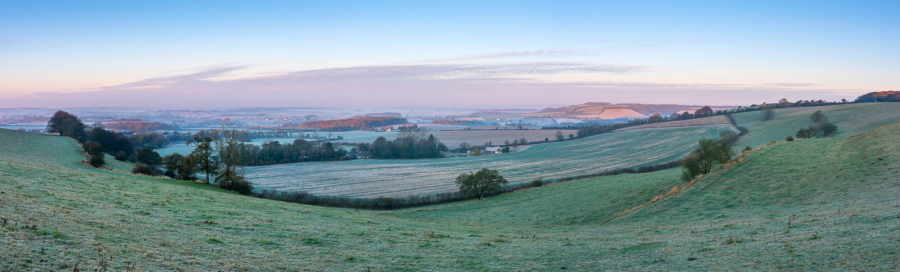
The first shot I got on that initial cold morning was this panoramic from Farthing Common. I could see the landscape was covered in a frost as I passed in the car and with sunrise only a few minutes away I decided to grab this rather than risk missing out around the corner.
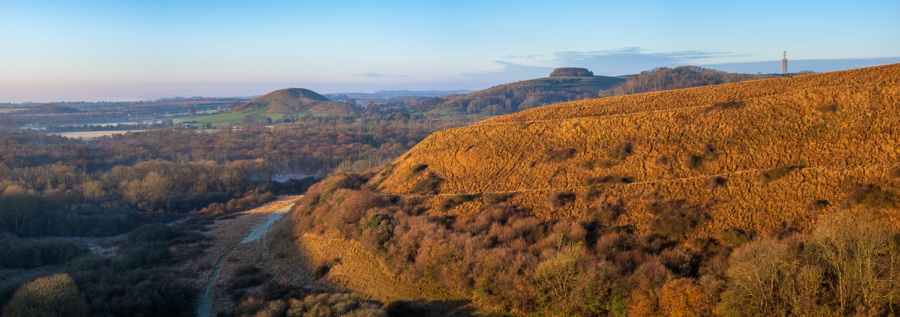
The next morning had very similar conditions. Low winds and low temperatures overnight is usually a good indicator for mist but again it did not occur on the Downs. Perhaps there is a hint of it in the valley of this shot below taken near the Arpinge Ranges. I like this view as it shows off the shape of the hills here with Summerhouse Hill set apart in the distance. This is one of the nicer versions I have of this view so I left happy.
On the next morning I set off much earlier than before. Whilst driving to the Downs on the past two days there had been a fantastic colour in the sky at first light approximately 1 hour before sunrise. It hadn’t really cost me because the weather hadn’t been that great but I knew I would be angry if it occurred again and the mist did decide to show up this time.
Halfway along Stone Street and I knew this morning was different as I encountered my first bit of fog. Immediately one location stood out in my mind as being ideal for these conditions.
I proceeded to park up at the top of Tolsford Hill and after a short hurried walk, I was greeted with the view seen at the top of this page. It was well before sunrise but the sky was already a fabulous red colour and there was a cloud inversion where the sea could normally be seen which was seeping into the Downs below. What a sight!
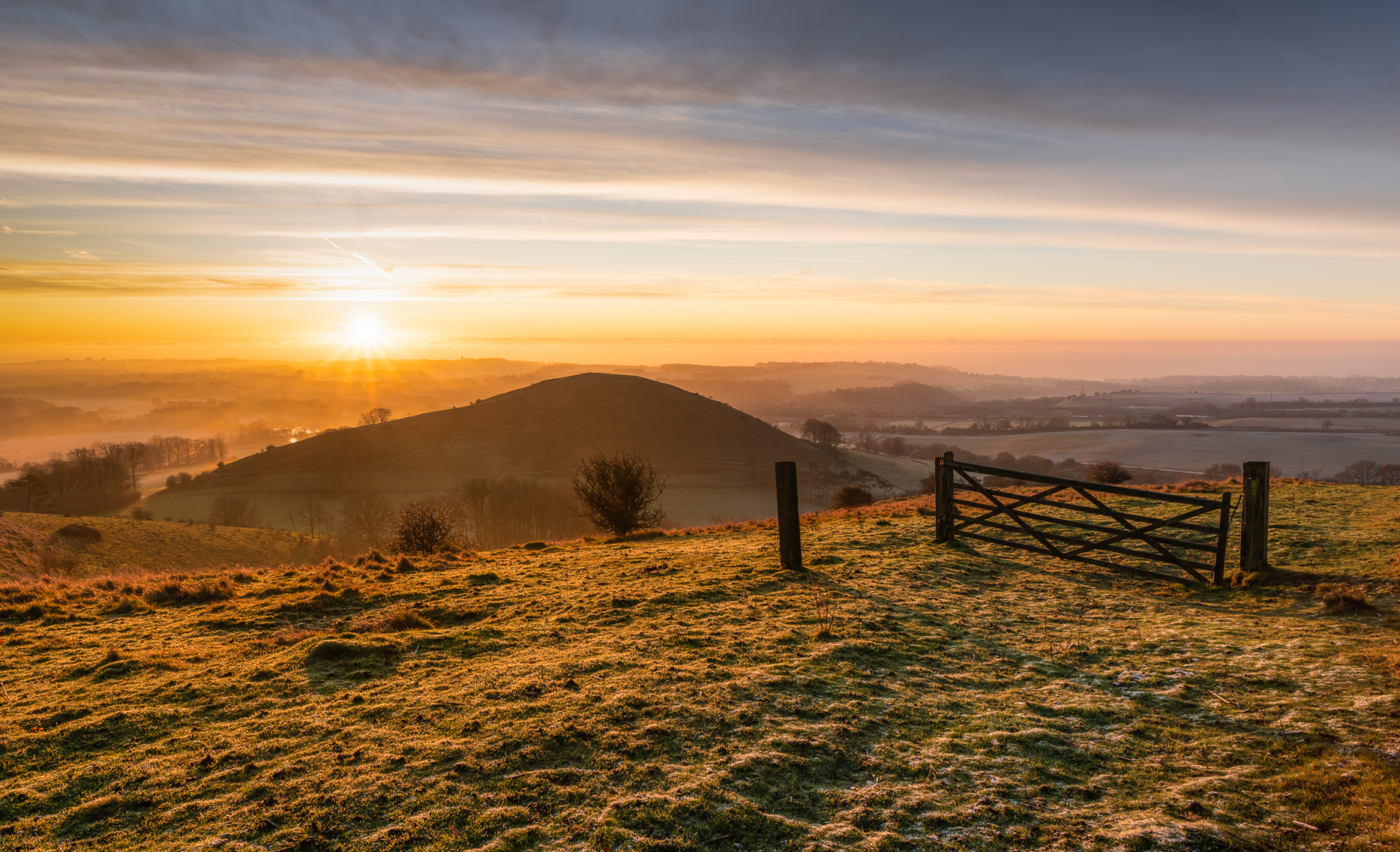
A little later I took this shot as the sun rose above the clouds and cast the landscape in a golden hue. As you can see the mist has burnt off a little revealing the outline of the cliffs with the sea beyond still covered in fog!
Let’s hope we get some more mornings like that this winter. Some snow would be nice too..!
Thanks for reading!
behind the shot – dungeness fishing boat
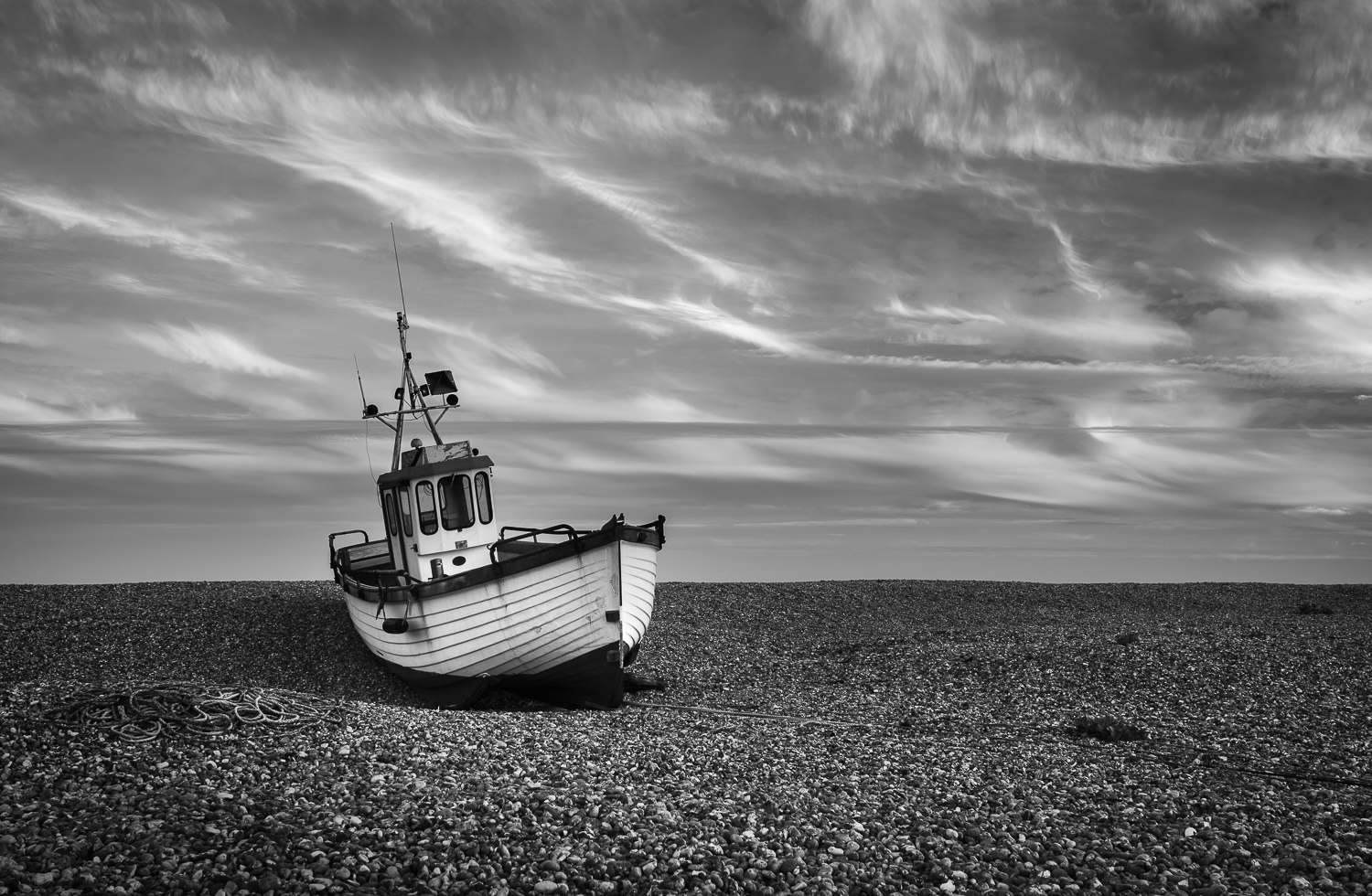
Dungeness is a vast shingle headland located on the tip of Romney Marsh in Kent. The abandoned fishing boats and huts of Dungeness’ fishing past are popular subjects for photographers and I am no different. I have been visiting here for years, often coming in bad and changeable weather to utilise another of the locations best features; its huge skies!
On my more recent trips, I have been focussing on the small fleet of charter fishing boats that are still in use here. These well maintained, colourful boats are often in prime unobstructed positions on the very edge of the shingle heaps next to the coast.
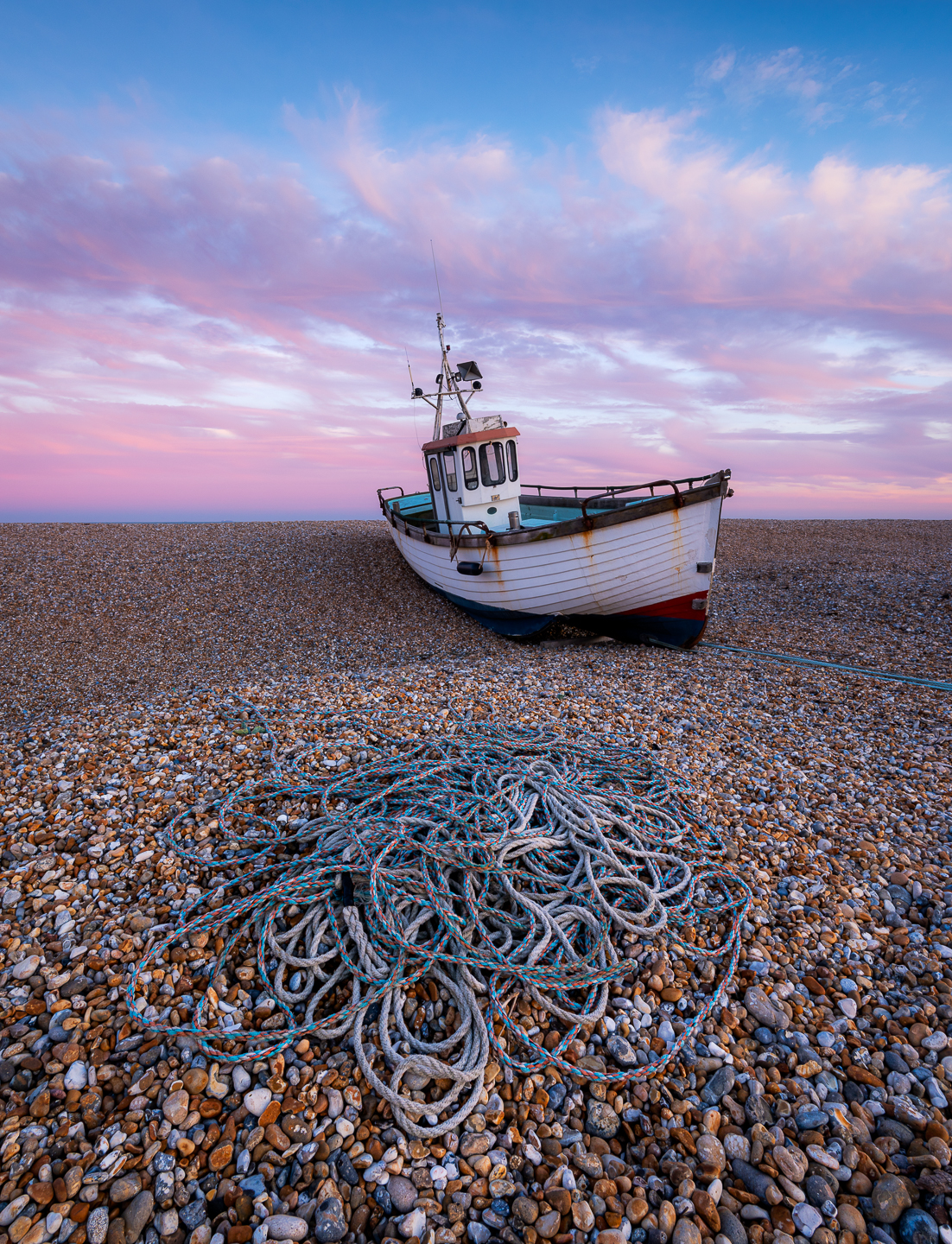
I took this above shot in November 2018. It had been a clear, bitterly cold and windy day. As the day came to an end, I made my way to the fishing boats where I spotted potential in the incoming clouds to the south.
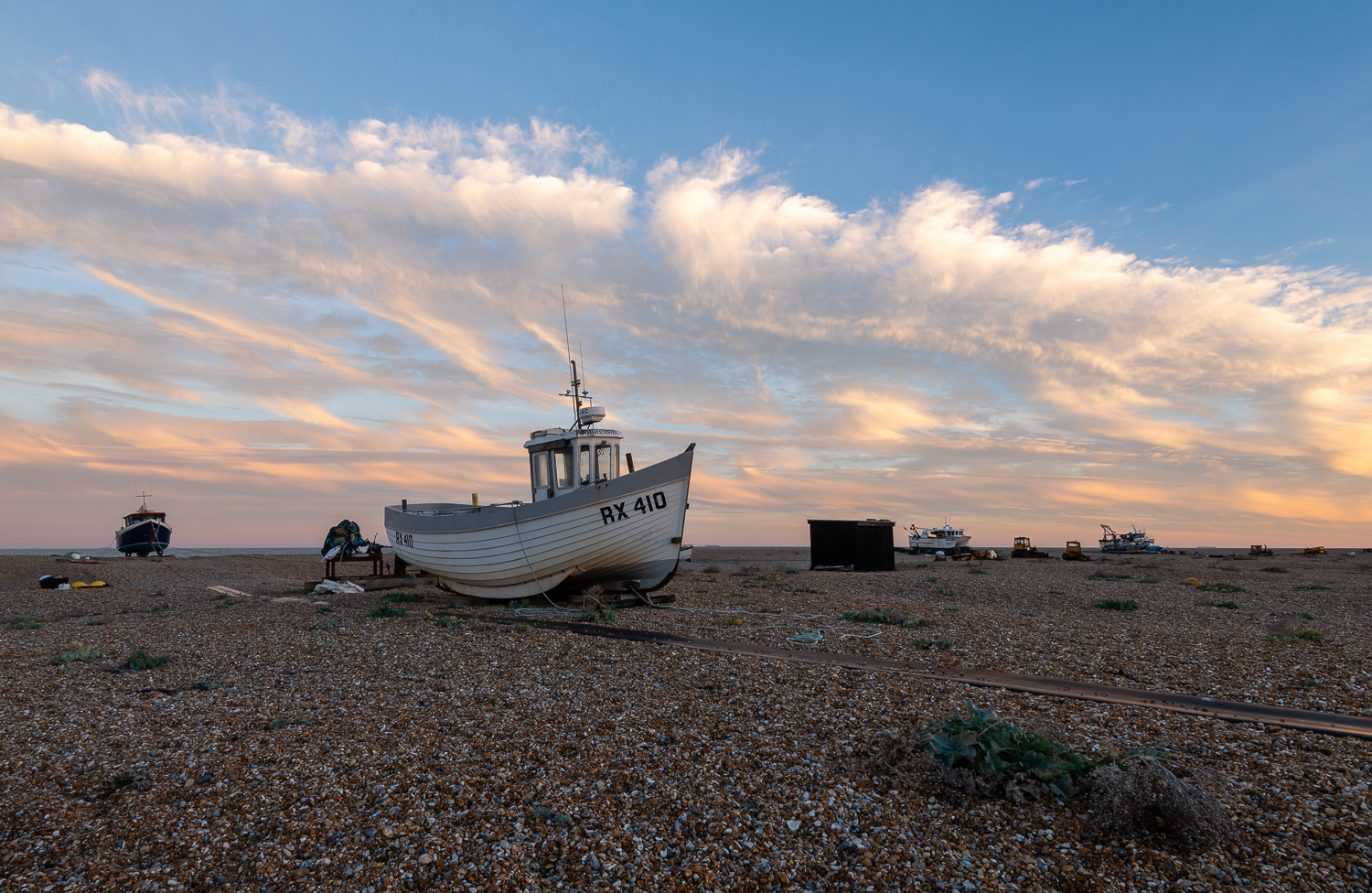
As I made my way there I kept stopping to take a shot as the light changed. These shots below show my attempts to make sense of the scene with these improving conditions.
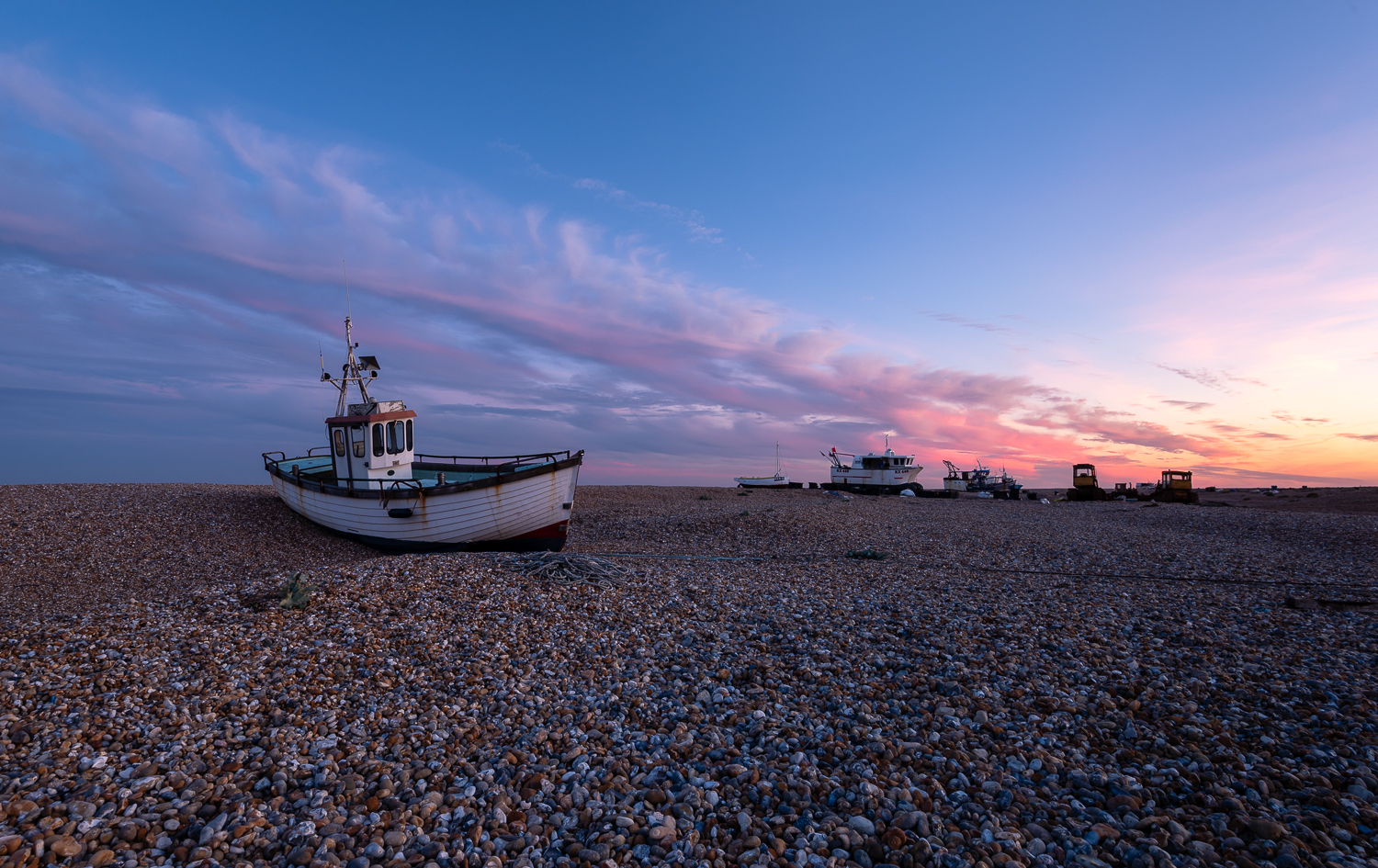
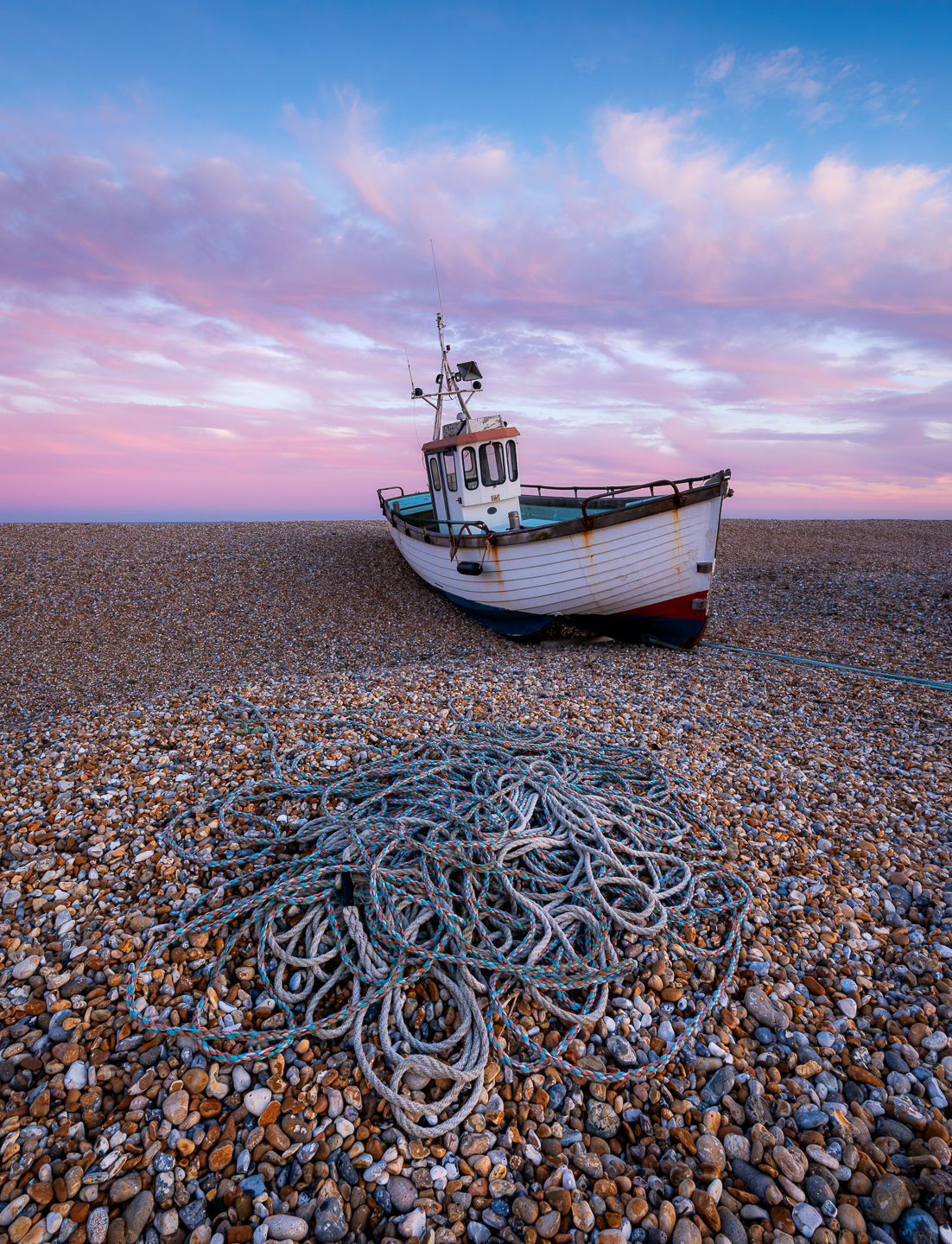
By the time I made it up close to the boat I was buzzing as I found the fishing rope arranged in front. I hurriedly set up my tripod and positioned my camera as close to the fishing rope as I could as the stretch of cloud behind was turning pink. I would also need to get low so that the boat broke the horizon line and stood out from the shingle. Despite the chaotic nature of the rope I tried to see it as a diagonal shape, leading towards and balancing with the boat behind.
As it is often the last light which produces the best shots, was it worth getting frozen in the hours beforehand? I could have just popped down for the light at the end of the day, but I doubt I would have still got this shot. That time was well spent experiencing the location, getting a feel for it and sensing how the weather and light might work out before putting myself in the best position I could to be able to react to it.
I hope you enjoyed reading my ‘behind the shot’ at Dungeness.
Thanks 🙂
behind the shot – viking bay tidal pool
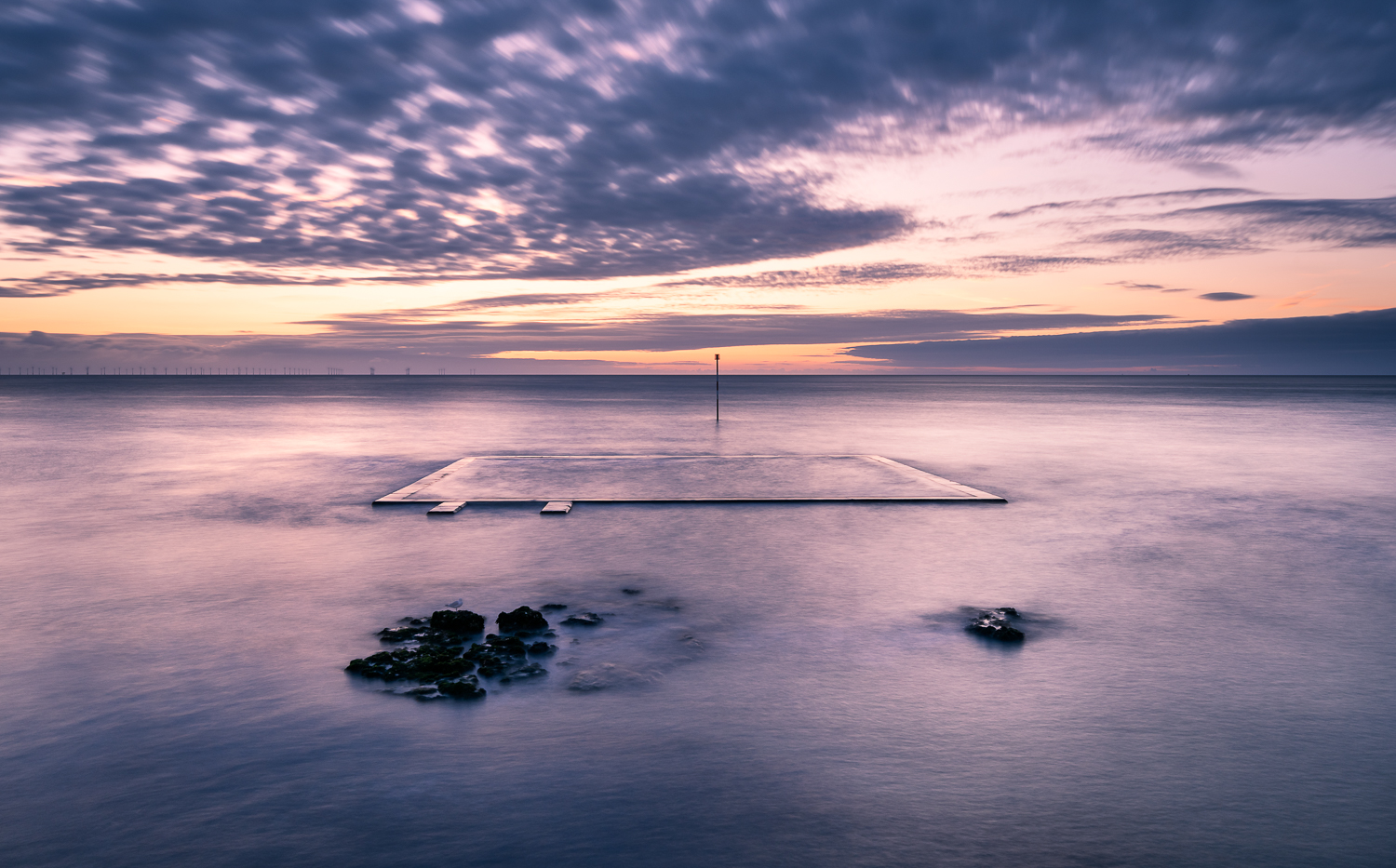
There are numerous tidal pools on the Isle of Thanet in Kent which are fun to photograph. This paddling pool off of the Broadstairs coast at Viking Bay is one of the more innocuous ones and is very easy to pass by as it gets completely submerged at high tide.
I first set my sights on photographing this scene because of the interesting shapes to use. The symmetry of the pool with the two little blocks that stick out make it unique and the position of the sea post beyond is an important compositional element too.
I did my research and I found that the ideal tidal range looked to be an hour or so before/after high tide. This would reveal the outline shape of the pool and the top of the larger rocks in front whereas at low tide the extra features can look cluttered and distracting.
The view faces east which is ideal for sunrise but it would make planning for this shot that little bit harder and uncertain. See the images below..!
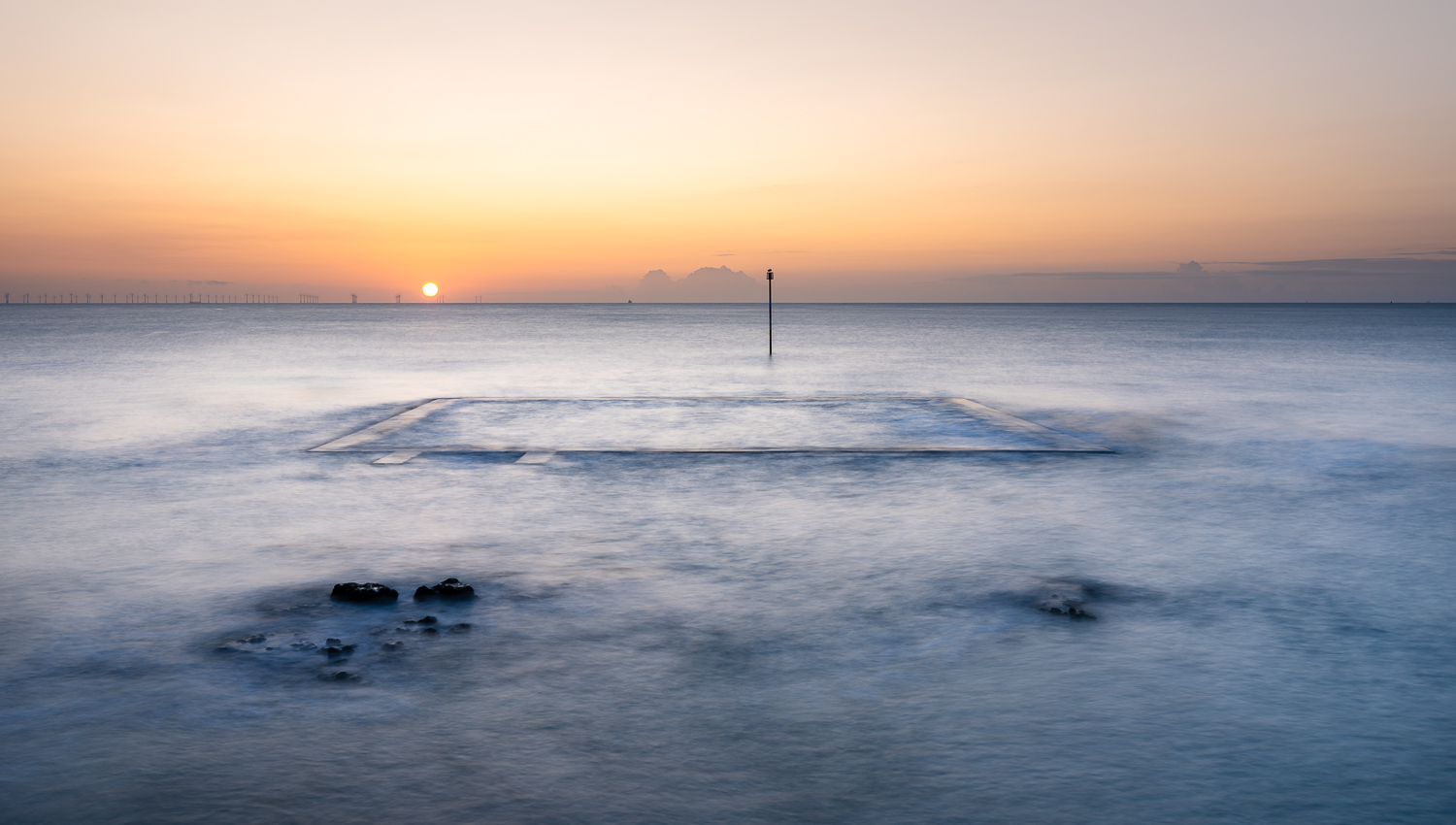
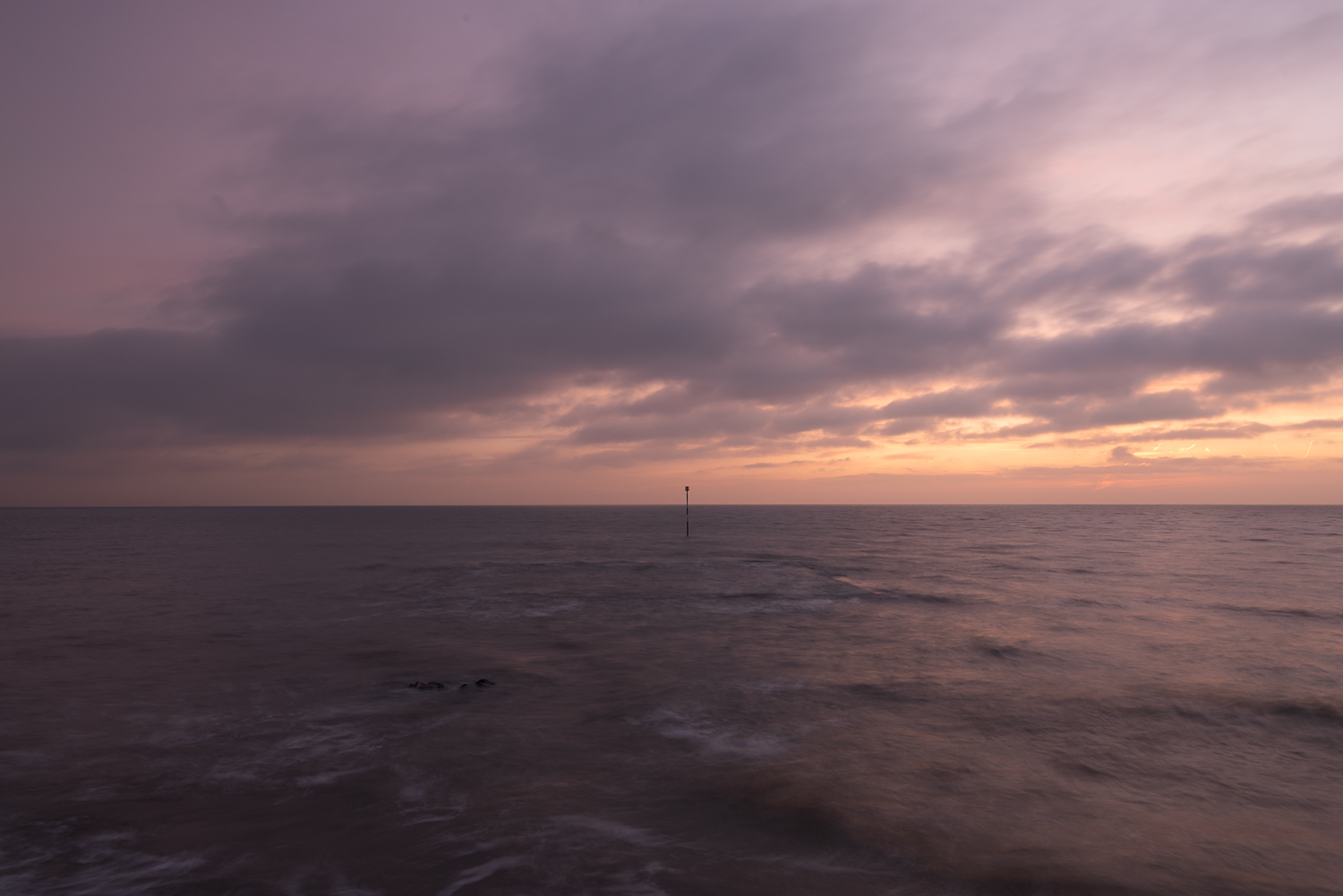
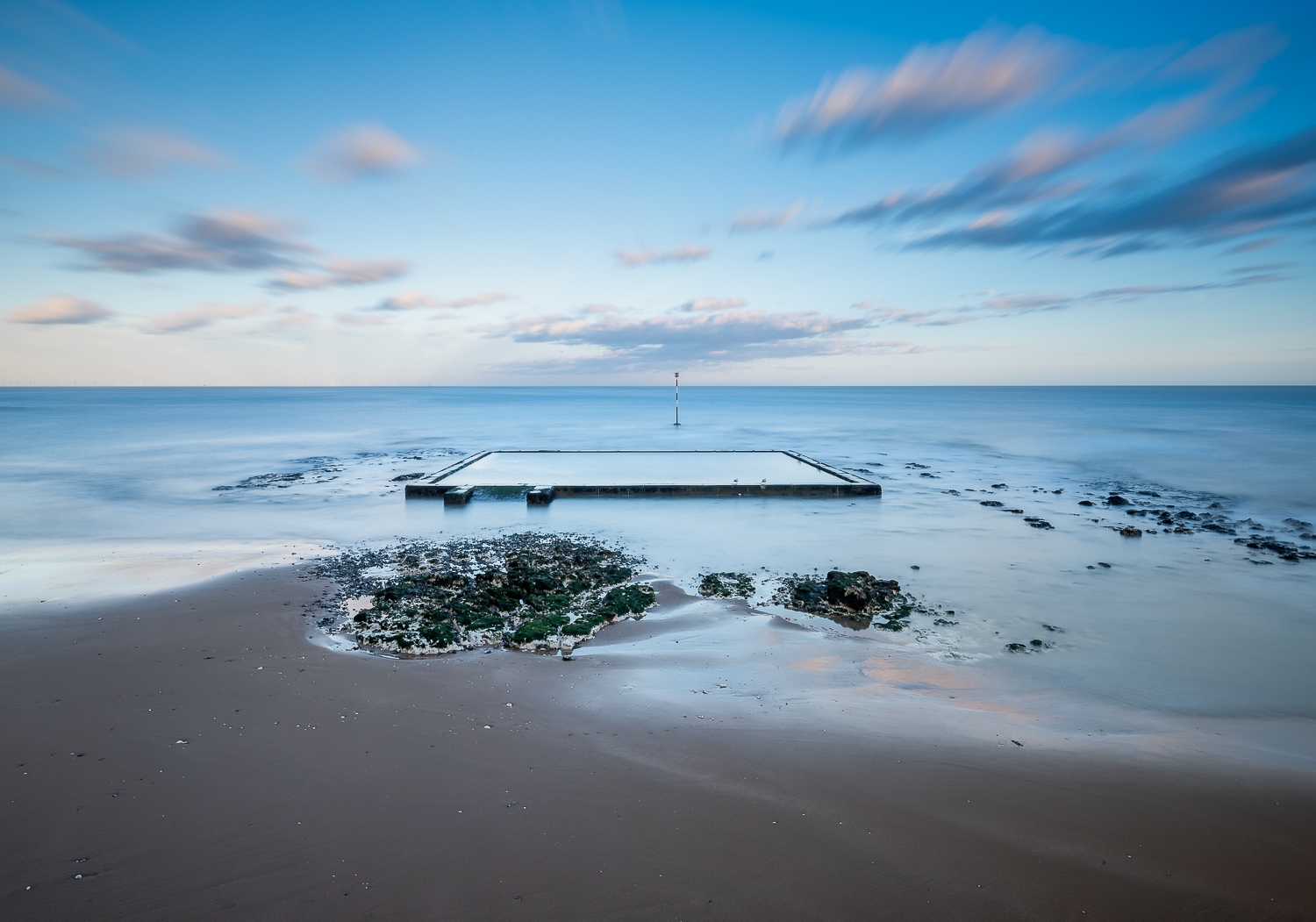
On the morning that this shot was made the light and tides had coincided nicely. There was the right amount of cloud to hold in the sunrise colour and the tide was retreating to reveal the right amount of shoreline. I had only a couple of minutes before the conditions would change so I needed to be quick. The clouds were creating an interesting spiral shape which I wanted to preserve while at the same time finding a long enough exposure time to blur and calm the sea. I tried a few different combinations of filters and polarisers to get to a 20-second exposure which was acceptable for both sea and sky.
I spent the rest of the morning playing with the ripples in the sand the tide had left in nearby Louisa Bay. Perhaps the start of a new shot to plan?
Hope you enjoyed reading this ‘behind the shot’ of my Viking Bay image.
Thanks 🙂
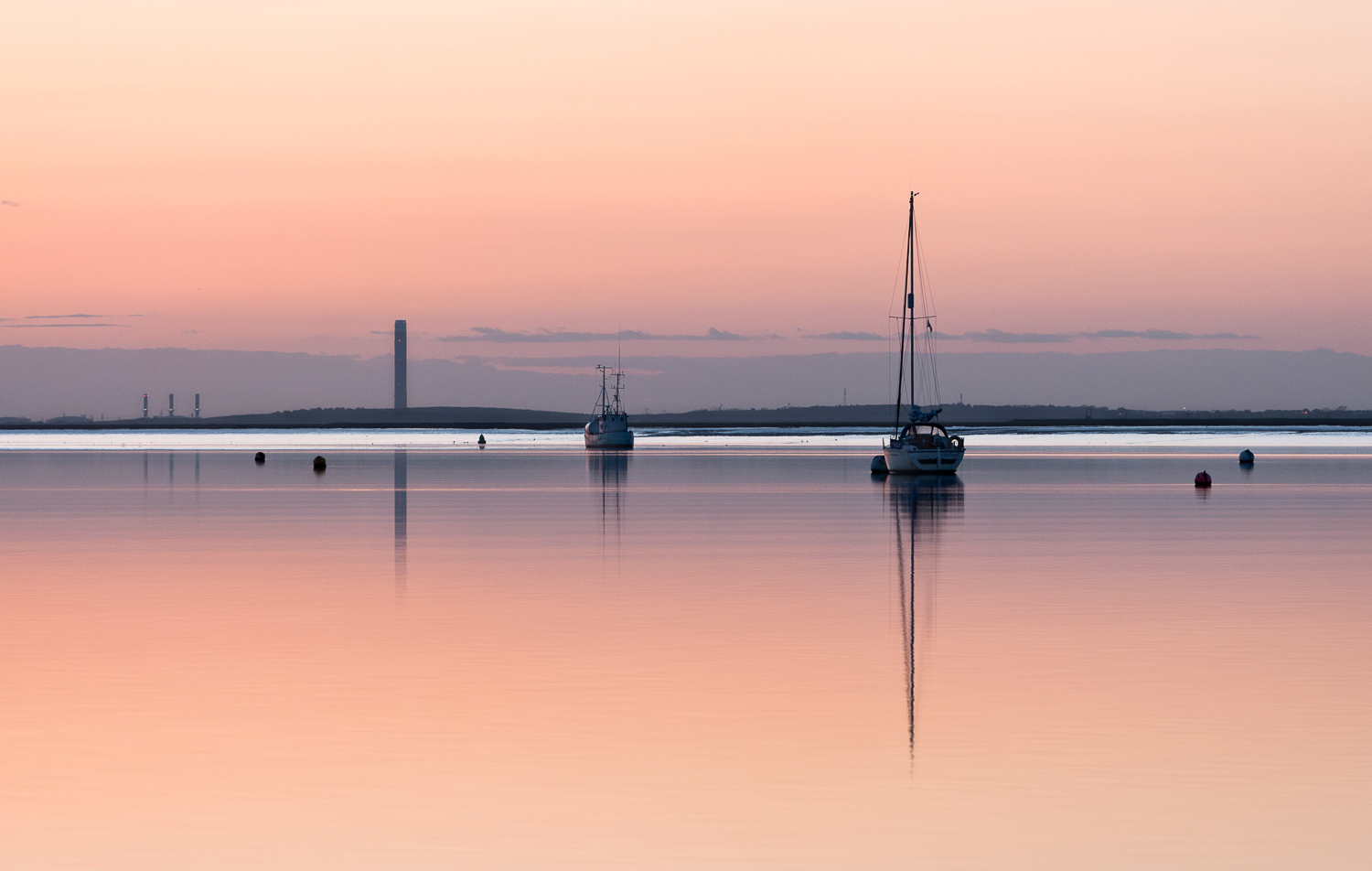
Faversham – The start of a new project
I had my first solo exhibition earlier this year at Garage Coffee Canterbury. The show lasted for about a month and it was a great way to get my work and myself out in the public a bit with the chance it could lead to sales and other opportunities.
And it did. After the exhibition finished I was contacted by the owners of a new venture in Faversham who had some fresh walls for me to fill.
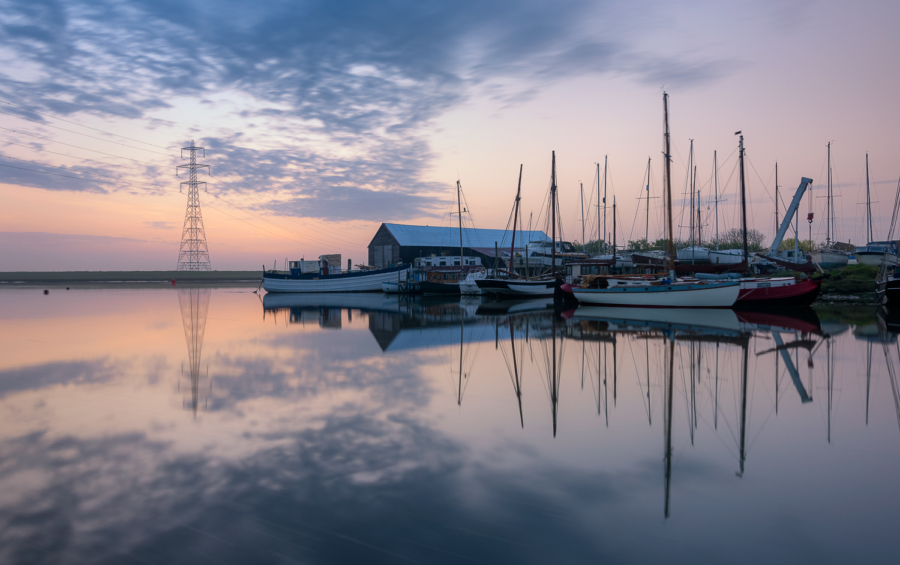
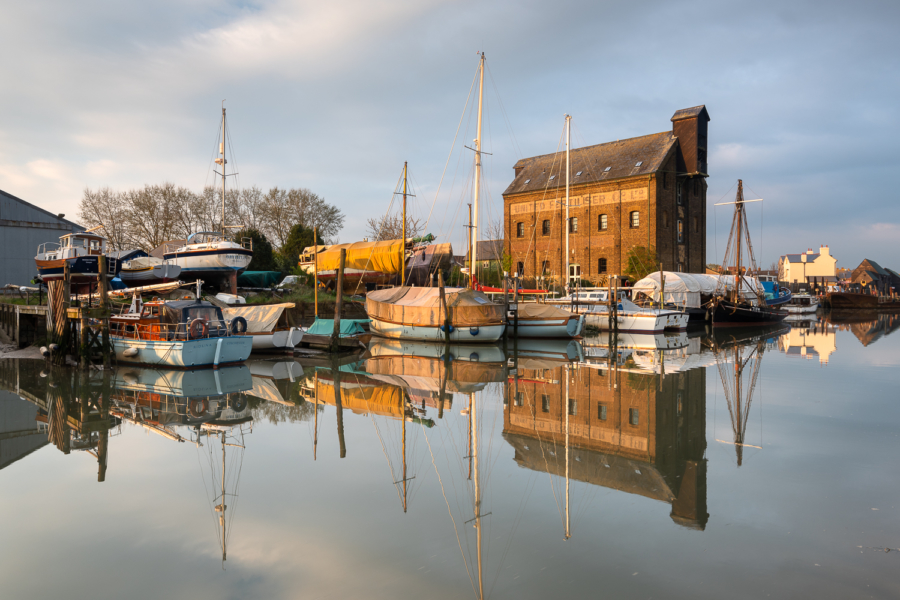
In April I moved my Kent Landscapes and Seascapes exhibition over to ‘The Refinery‘ in Faversham’s West Street and since then I have been focussed on producing new local Faversham landscapes to display.
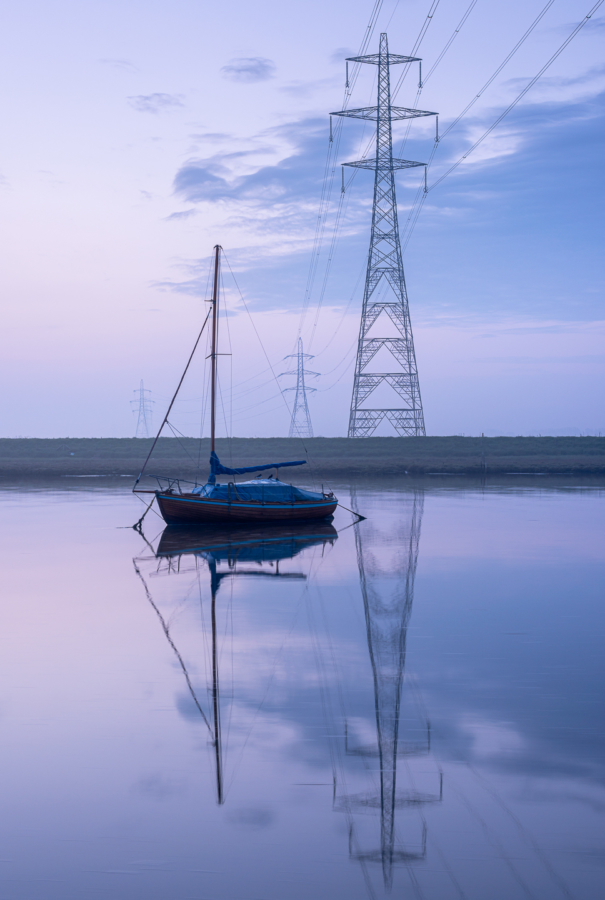
I had a few good images local to Faversham anyway but I would need to get out exploring again if I were to fulfil my aim of filling the space with purely local shots.
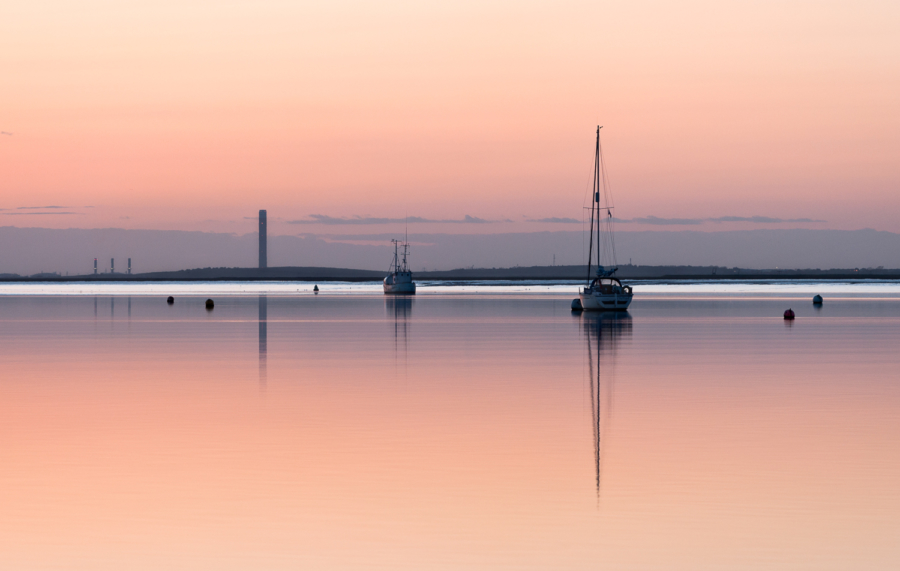
Over the next few weeks, I visited previously known and unknown locations looking for photographic potential.
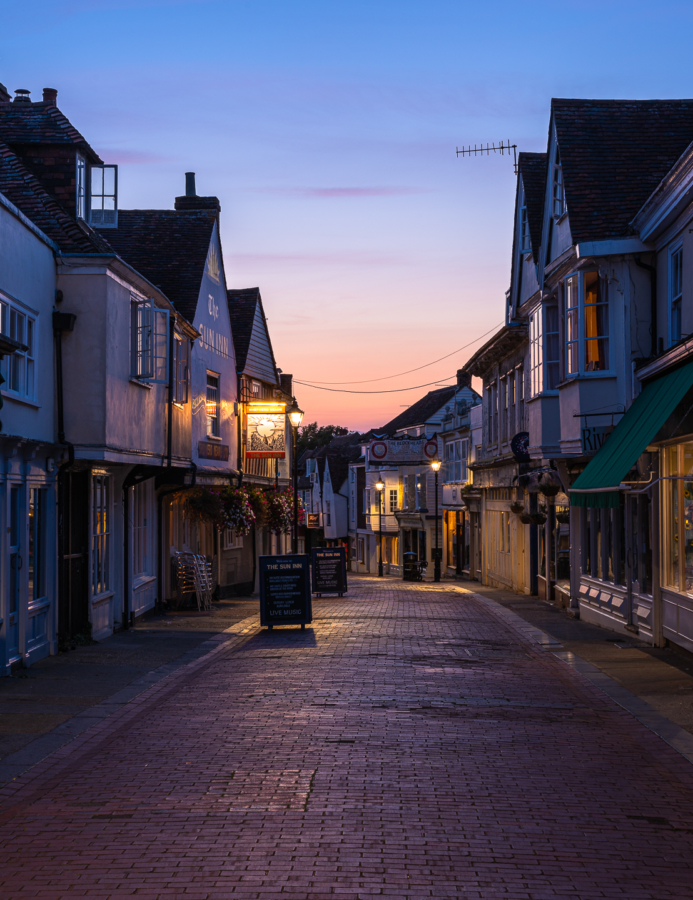
I’ve come to discover that Faversham is blessed with marshes, creeks, historic buildings and charming town streets which offer a lot to the photographer.
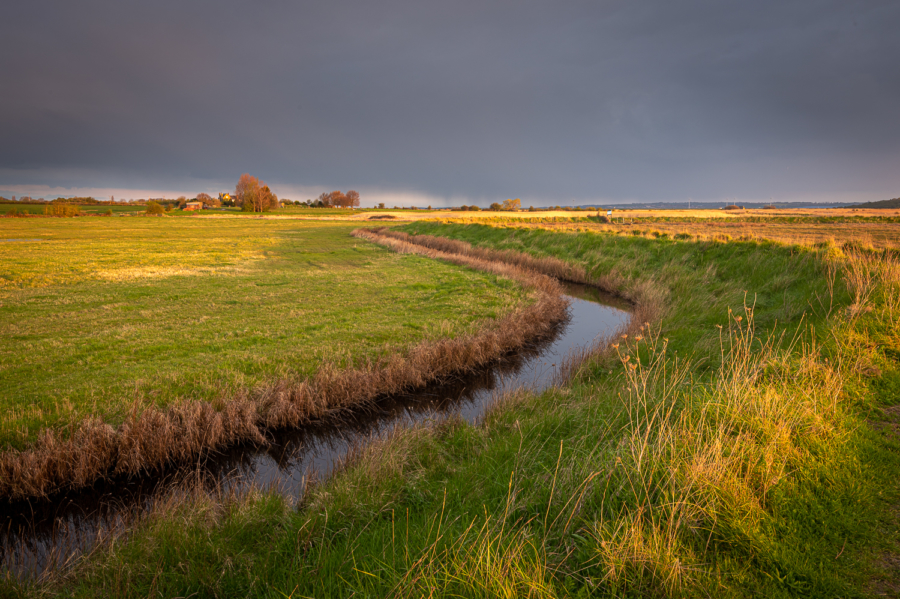
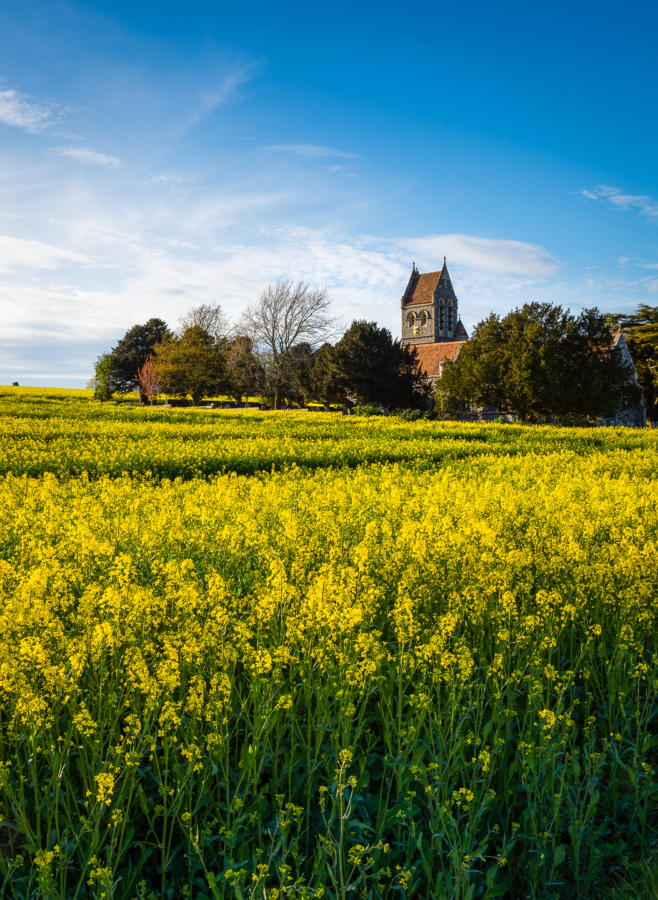
There are a few locations that I think will come into their own in Winter but the images on this page give an idea of where I have been focussing my efforts.
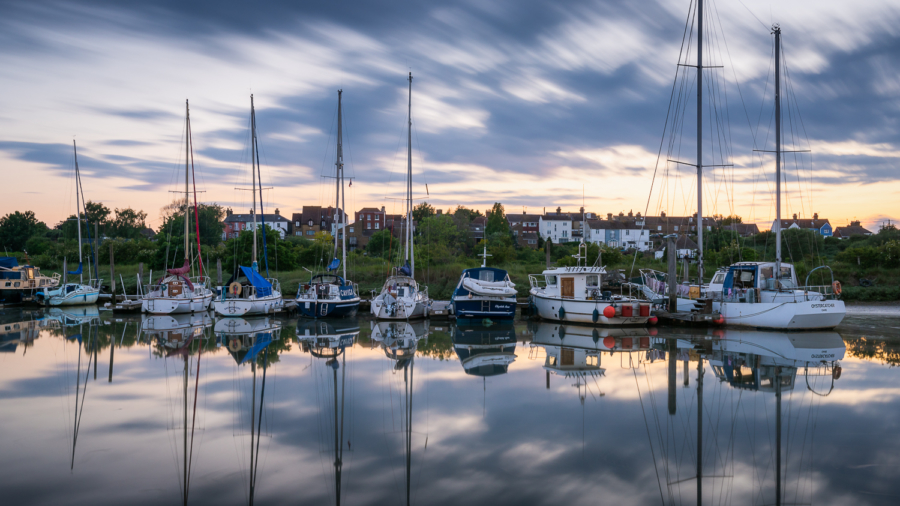
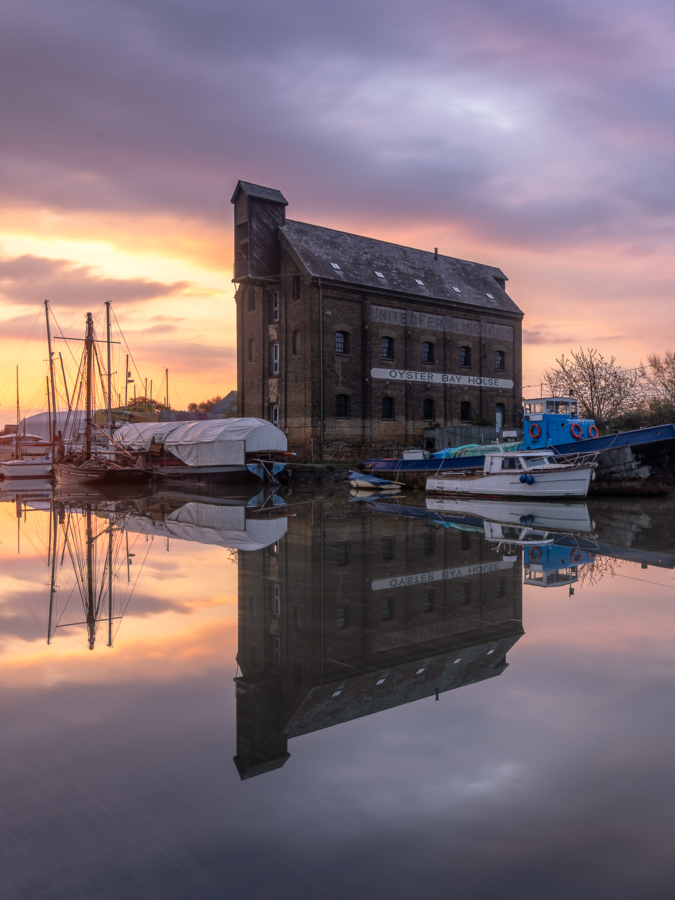
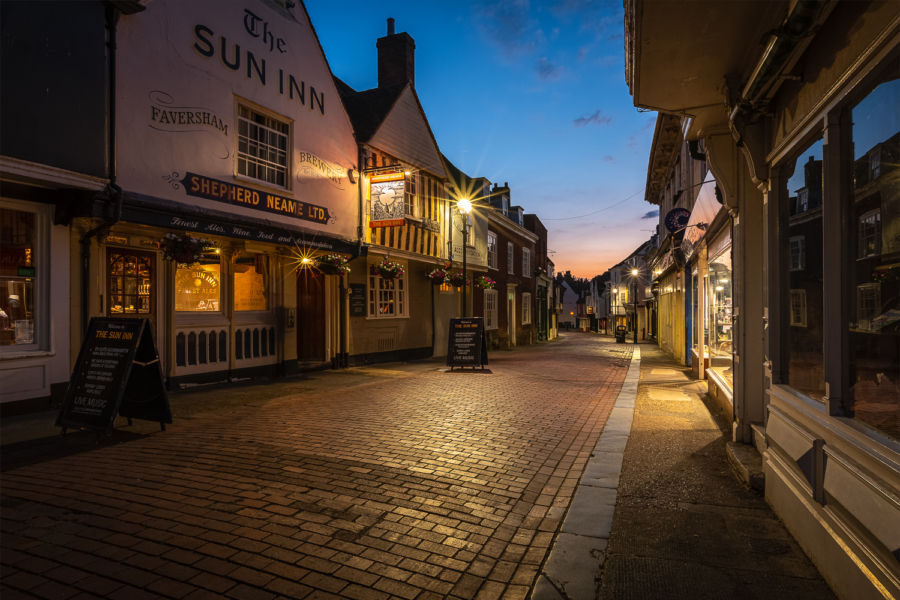
Thanks for reading. Are there any spots you know of that I should check out?
I am a photographer from Canterbury, Kent and I specialise in creating atmospheric and dramatic images of my local Kent landscape and coast.
In the main, I try to reduce a scene to its core elements; either with my composition, shutter speed or by a combination of both. For this, I like to work in the special light that occurs around dawn and dusk.
My work is available to buy as a giclée fine art print. I use archival pigment inks on 100% acid-free cotton paper which guarantees a print life of over 85 years.
More prints and options are available on my website.