Waves swish around a seaweed-covered rock at this secluded beach on the Kent coast
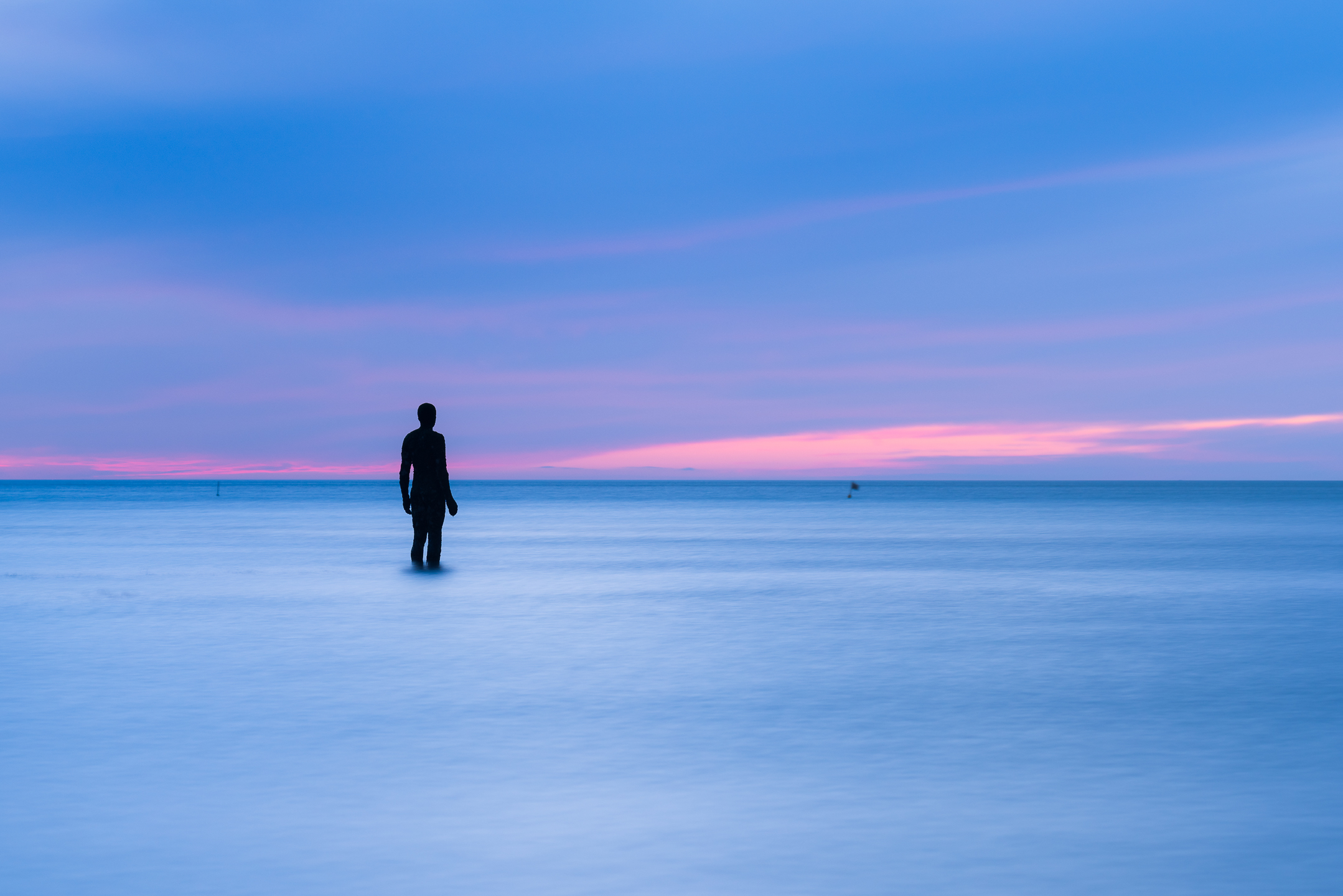
‘Another Time’ on Margate
Photographs from a few visits to the Anthony Gormley sculpture titled ‘Another Time‘ in Margate

These are the first times I’ve photographed the Gormley sculpture on the Thanet coast despite it being here since 2017..! I’m not sure why. You do need the right tides to see it but perhaps it’s more because I’m somewhat of a contrarian/dick at times and when it was first installed I saw all the IG posts and probably didn’t want to be seen to jump on the bandwagon. Anyway, with the news that it is to now stay until at least 2030 there is no danger of that so I felt it was ‘About Time‘ I paid a visit or two…
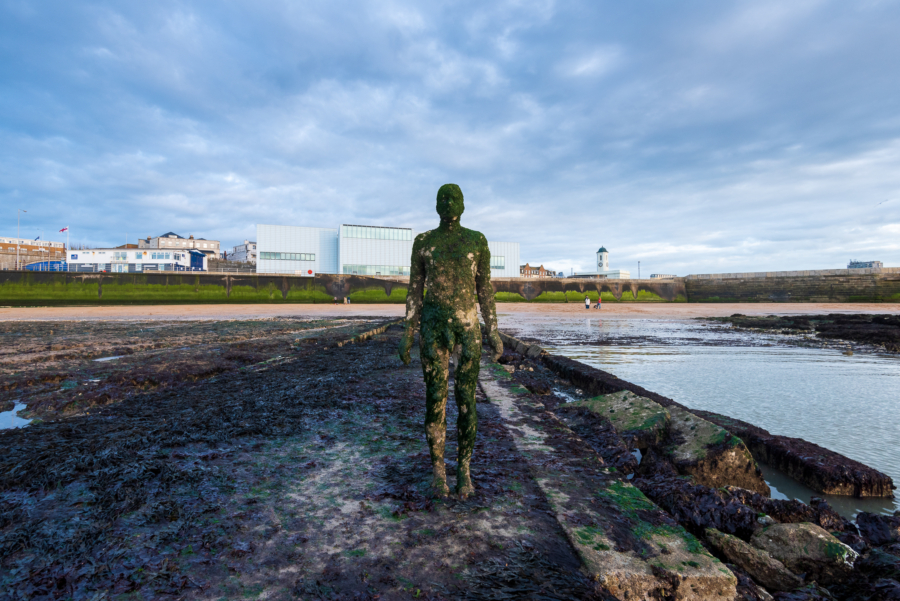
Having full knowledge of the tides is vital to getting the best results at the coast. My first attempt to capture the sculpture was a disaster as he was already completely submerged when I arrived so I slunk off around the corner to shoot in the harbour instead. Luckily on my next visit, I timed the tides much better, arriving at low tide so I could get a better understanding of the location and assess the best viewpoints.
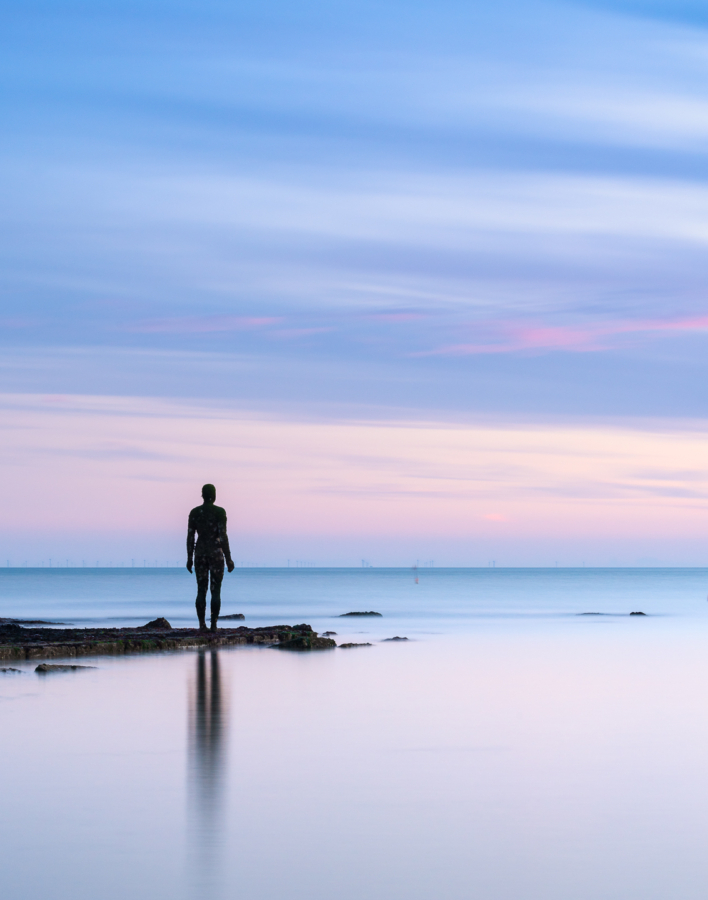
The first thing I noticed that would be an issue here at low tide was the amount of dark and messy seaweed-covered rocks around the base of the sculpture. I would need to wait a while for the tide to encroach which I had hoped would coincide with sunset.
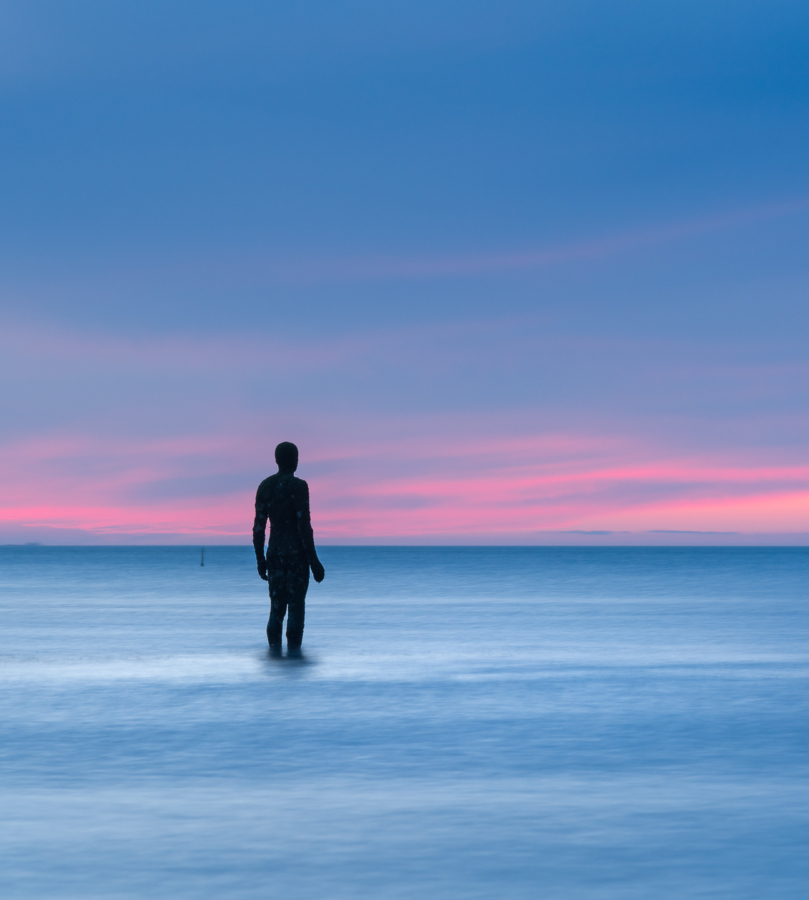
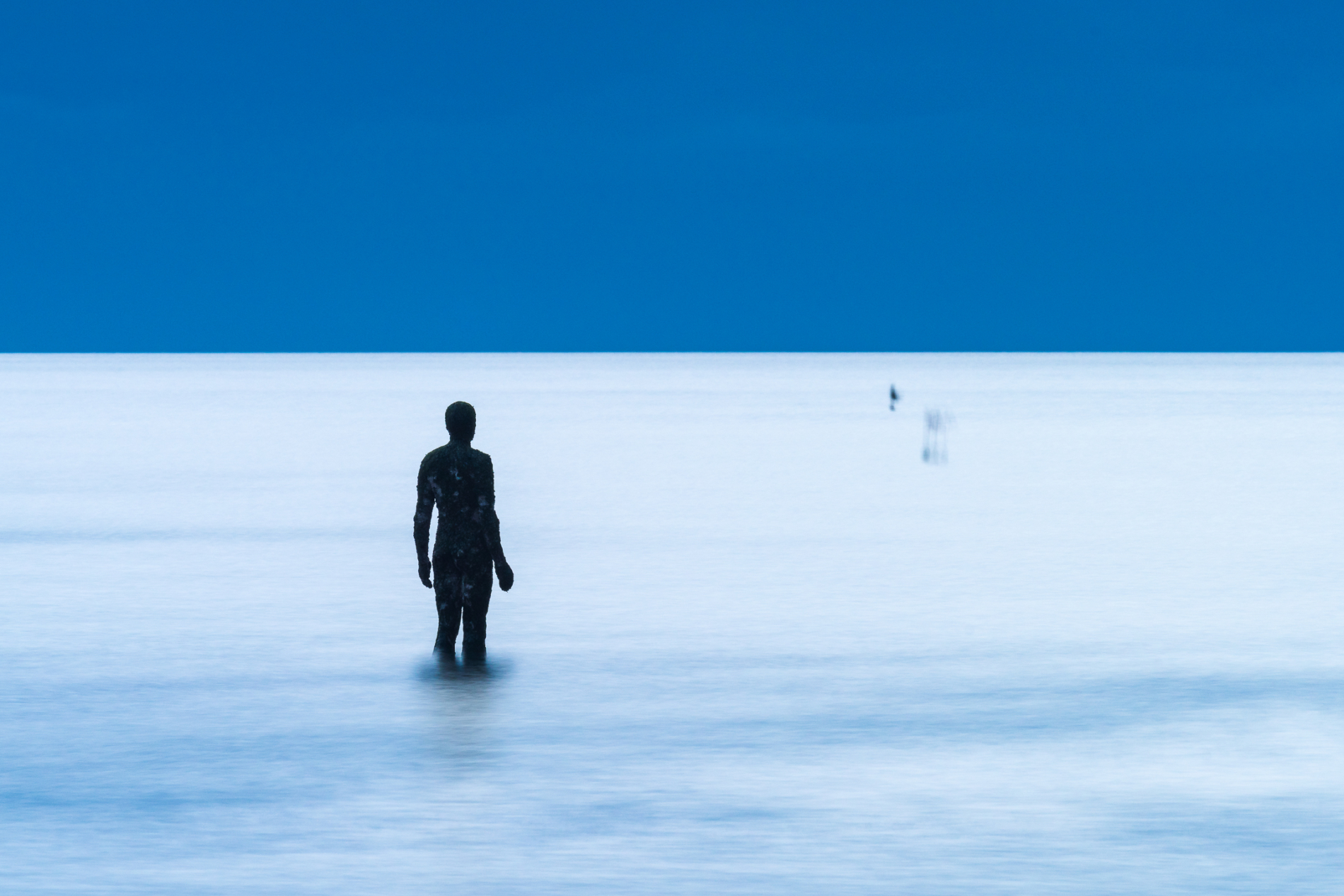
After an hour or so the tide had covered most of the shoreline except for the raised platform that the sculpture was set on so I began to look for compositions from around the water’s edge. With my 70-200mm telephotos lens attached I tried out a few compositions, experimenting with different horizon placements and focal lengths.
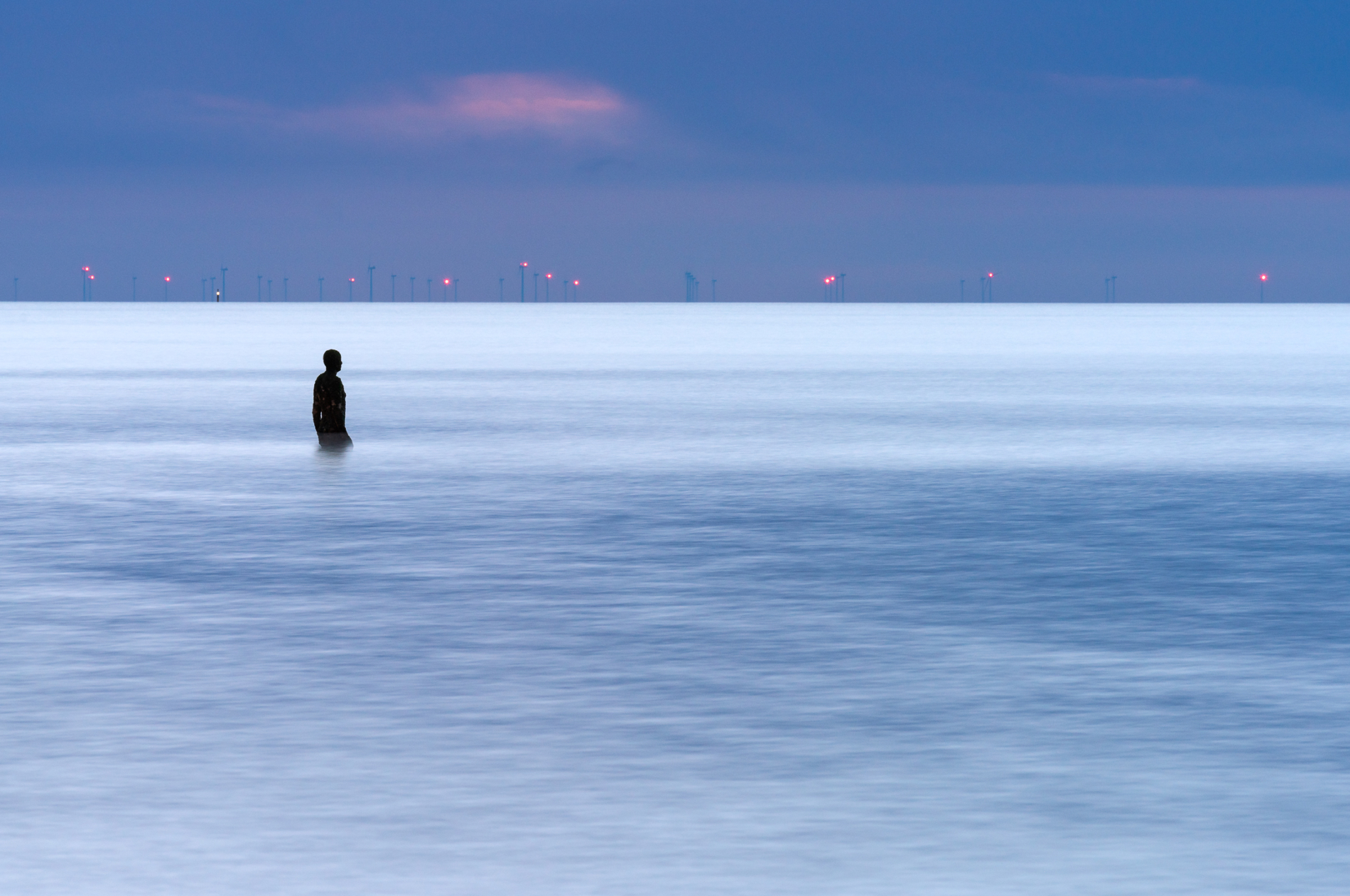
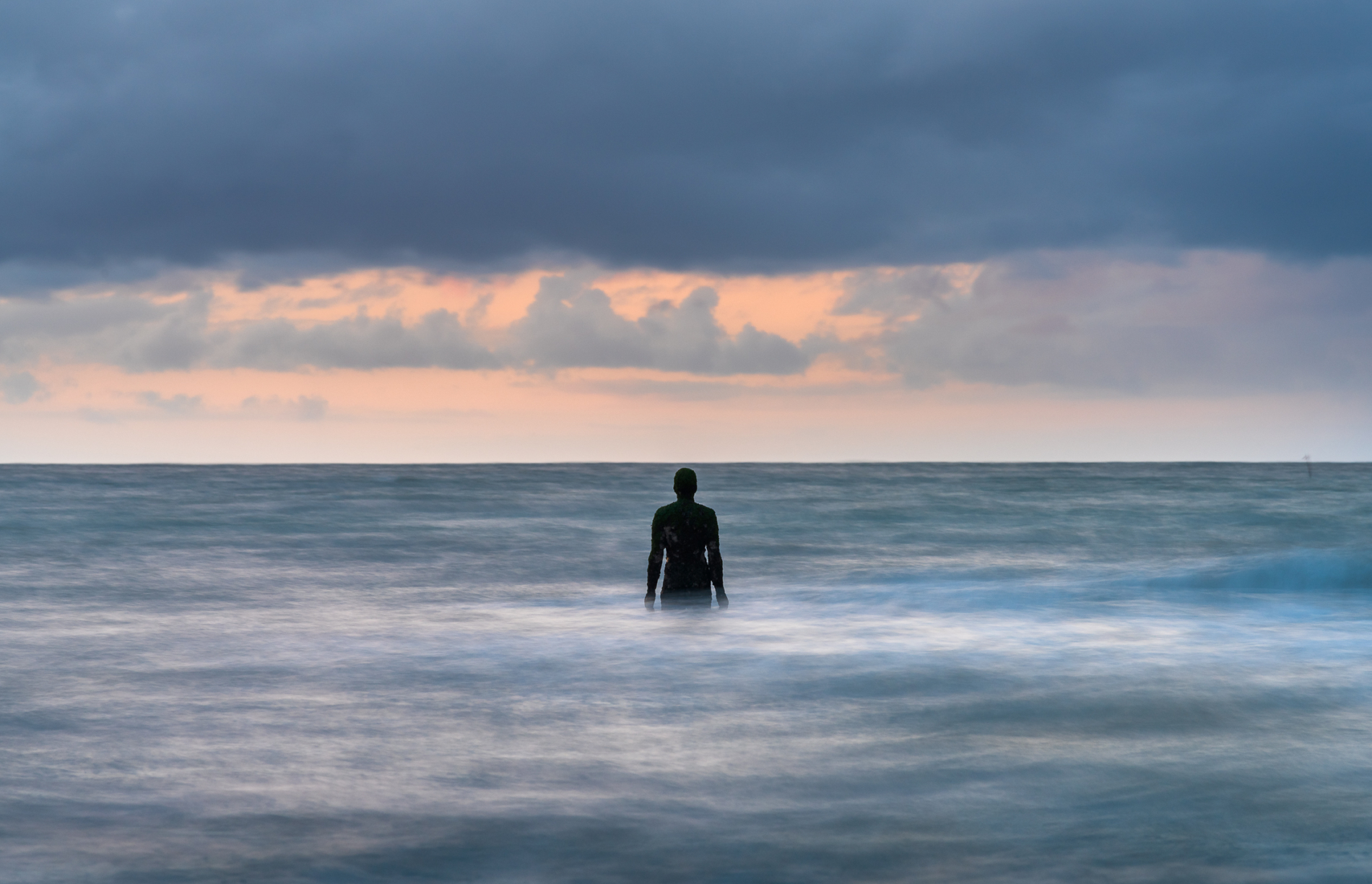
I particularly like the wider shots with the wind farm in the background at twilight as these add another level of interest and another important human element alongside Gormley’s figure. Also, I was playing with ND filters and shutter speeds to vary the amount of blur and texture to the sea.
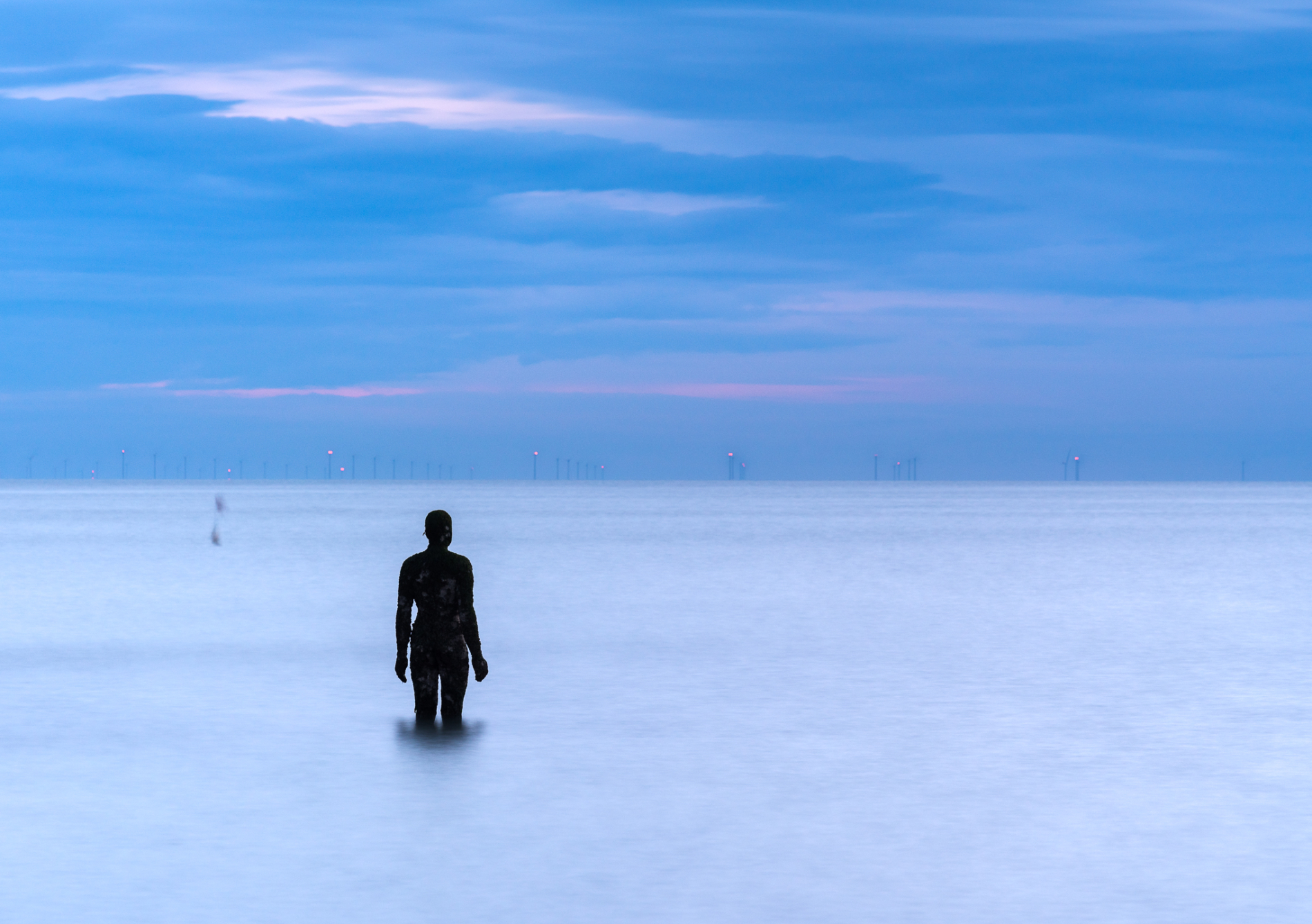
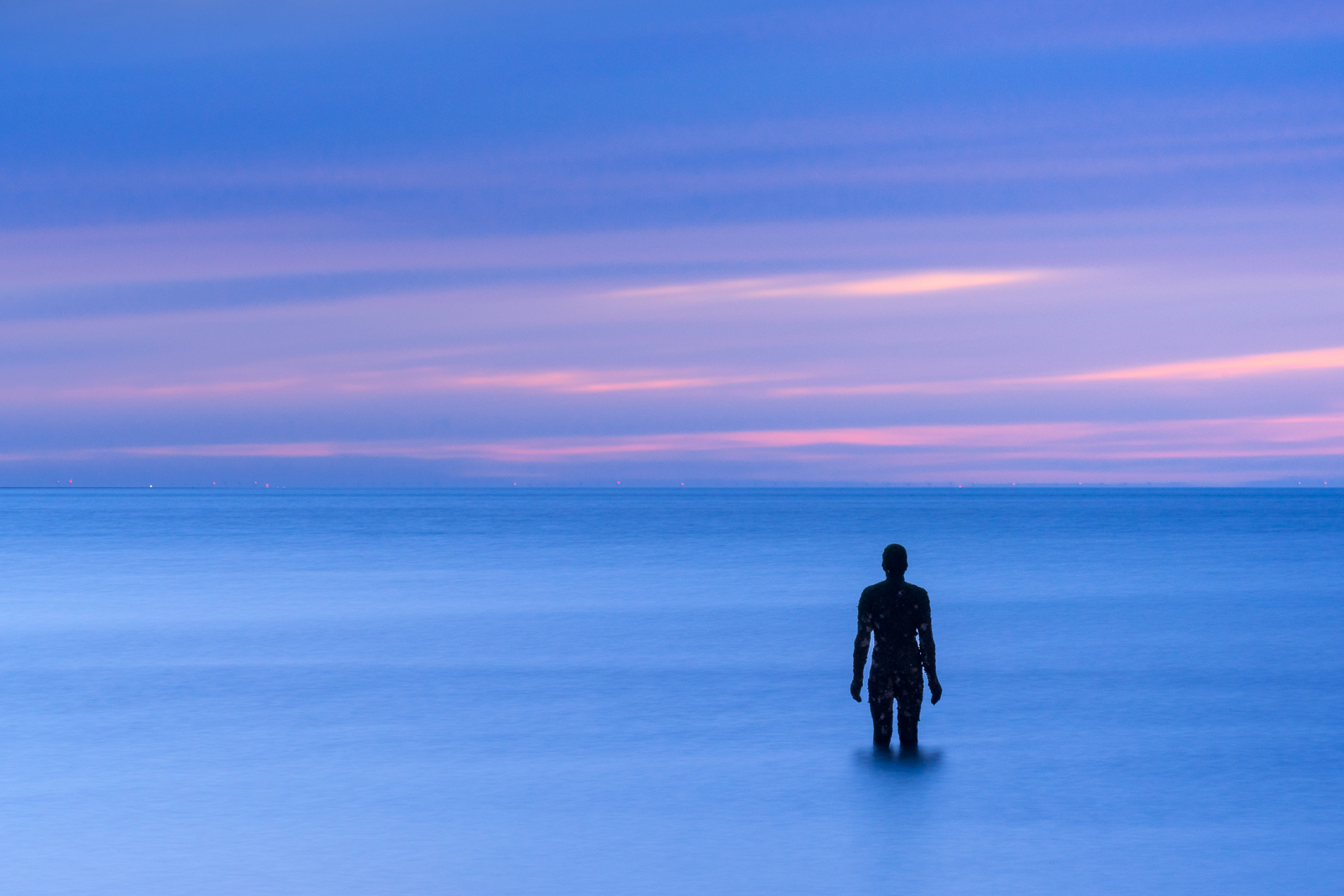
I ended up shooting well into twilight on both occasions. The low-light conditions added to the atmosphere and helped me achieve the longer shutter speeds that work so well here.
Thanks for reading and I hope you enjoyed the images.
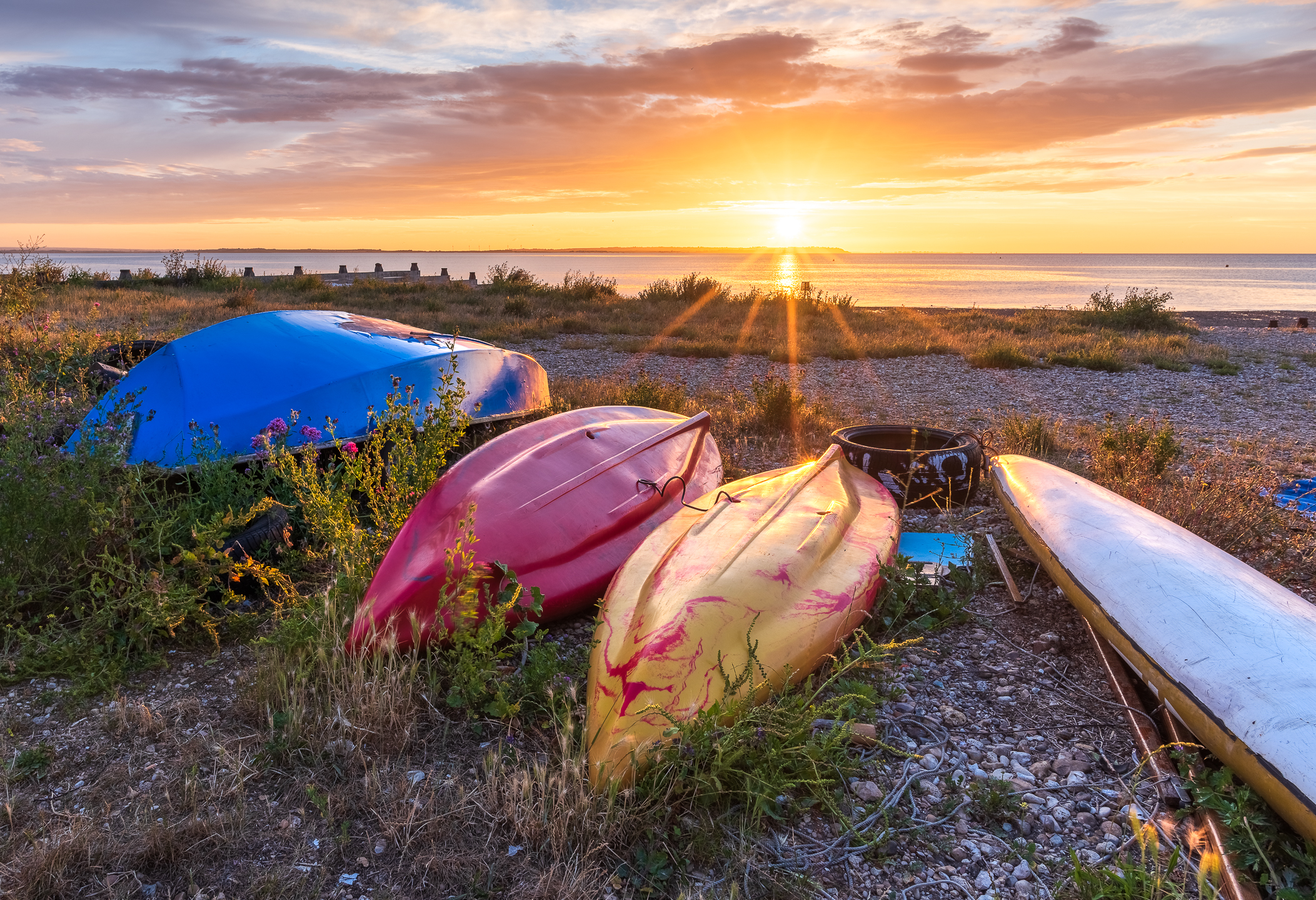
Whitstable, West Beach
A taste of the sort of photos available at this beautiful location on North Kent coast at Whitstable, West Beach.
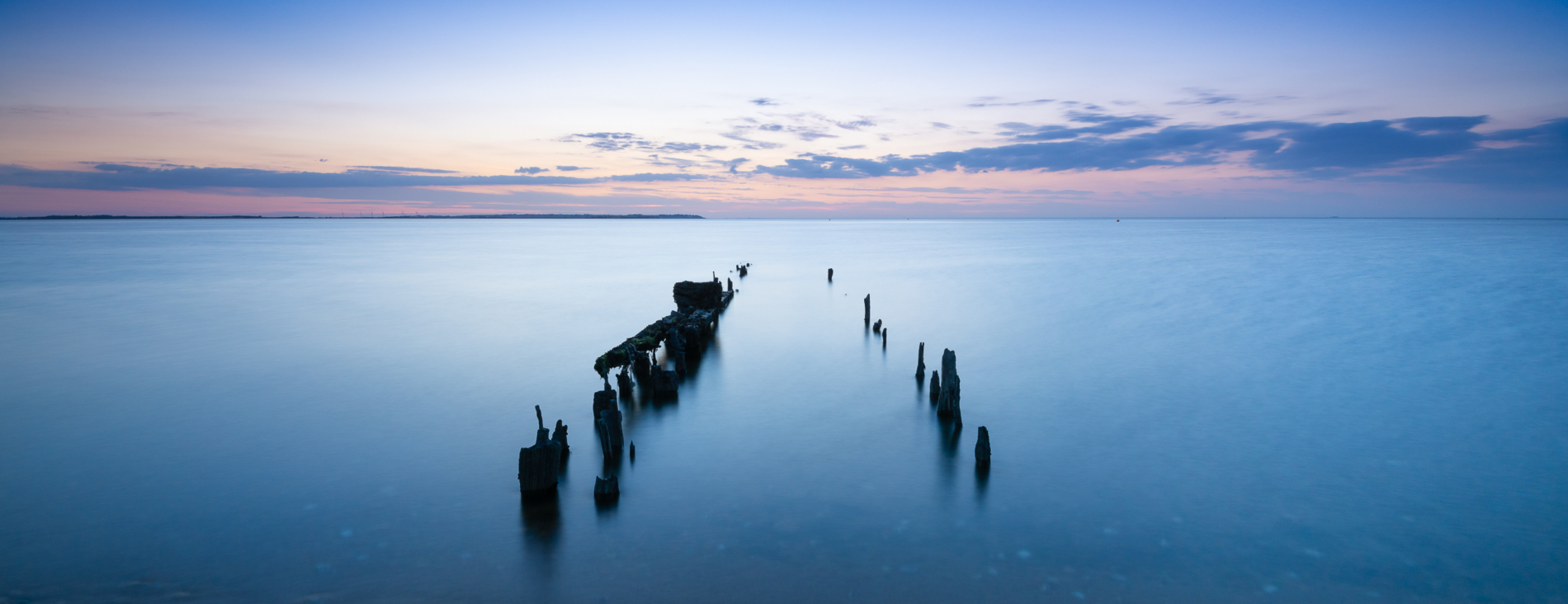
To the west of Whitstable’s harbour is a long shingle beach known as West Beach which is as good a spot as anywhere on the North Kent coast for photography. Popular with the crowds during the day, this north westerly facing location comes into it’s own especially during a summer sunset when most people will be out of the way chilling on the beach with a beer from the Old Neptune pub.
There are many subjects to shoot here but my favourite are the wildflowers that grow in the shingle and sprout out in between the various boats and kayaks left on the beach.
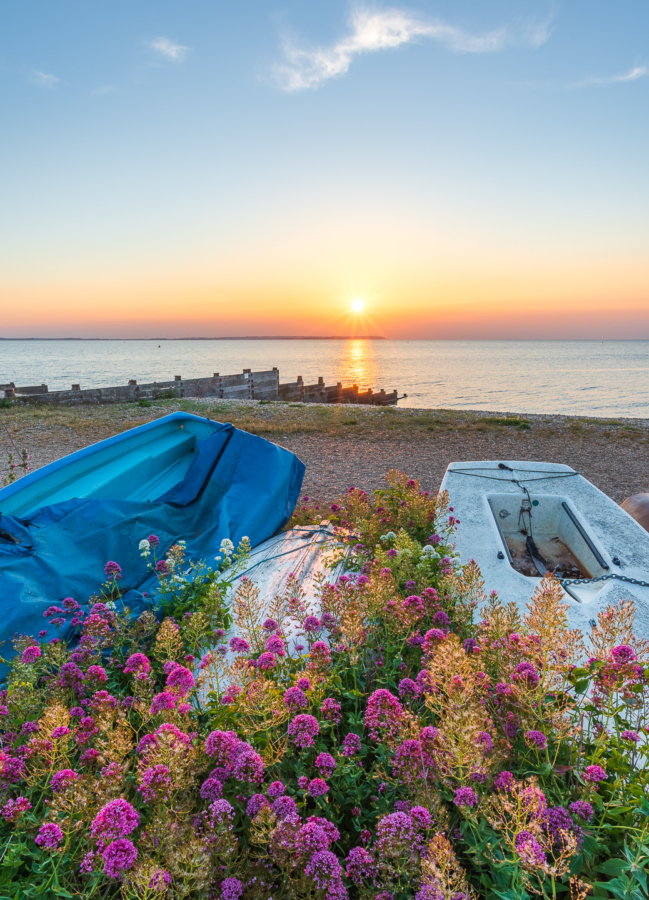
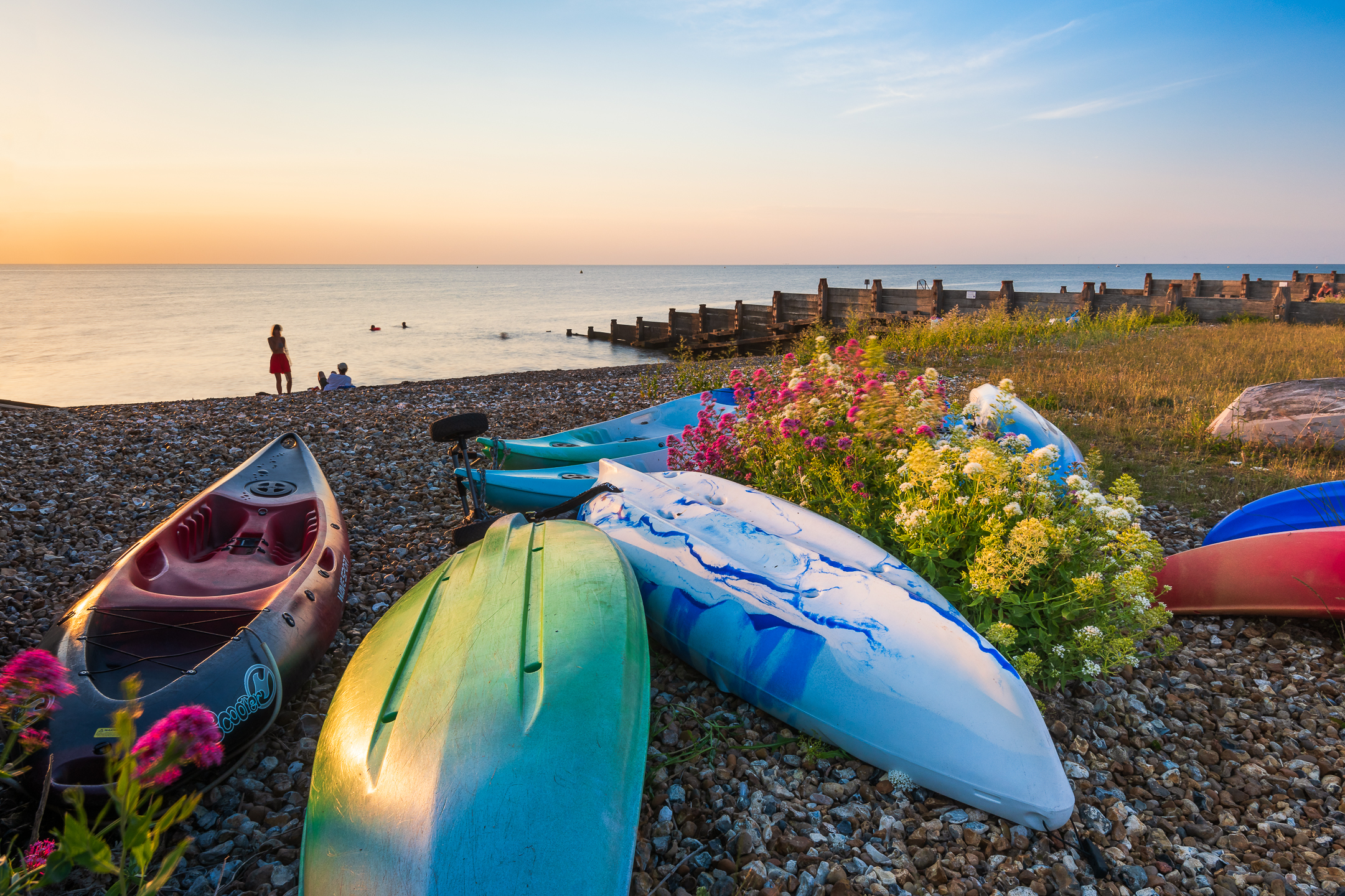
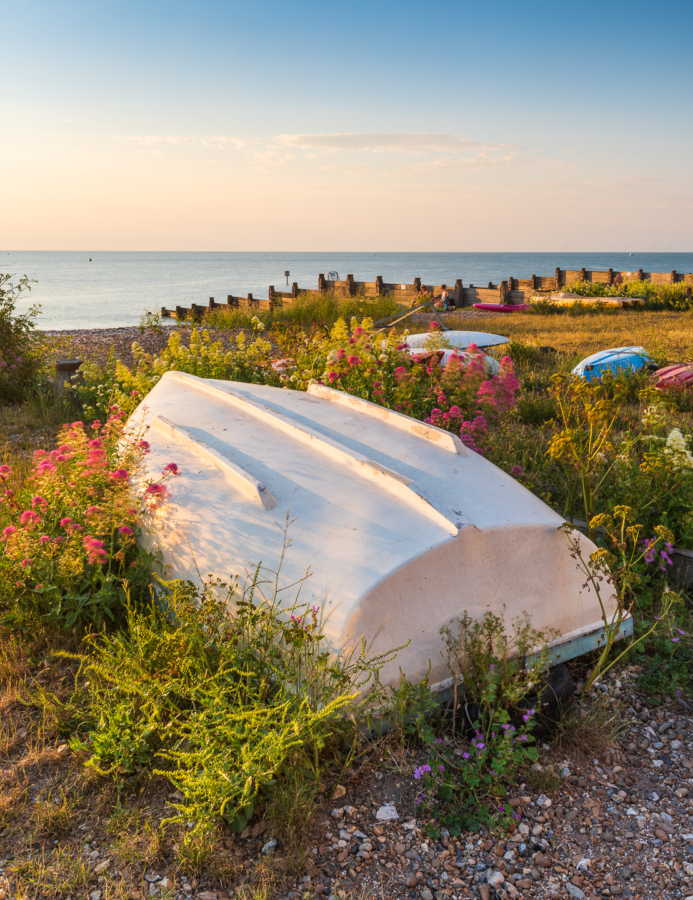
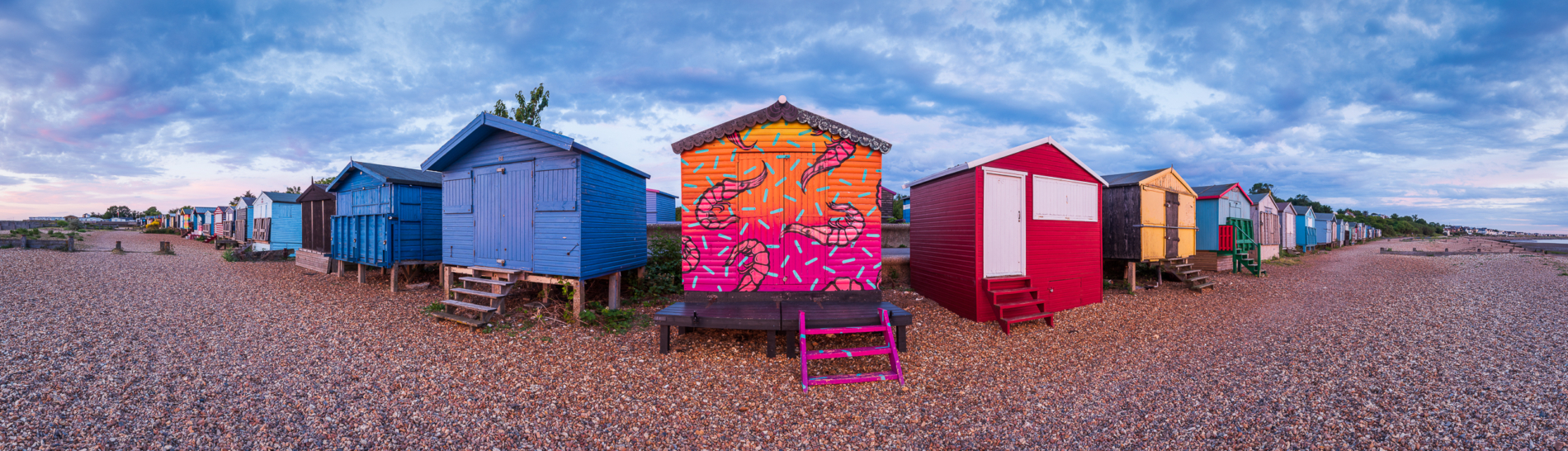
To the far end of the beach are a row of colourful wooden beach huts. Some of these have an extravagant paint job, like this hut below which I framed in the centre of my panoramic.
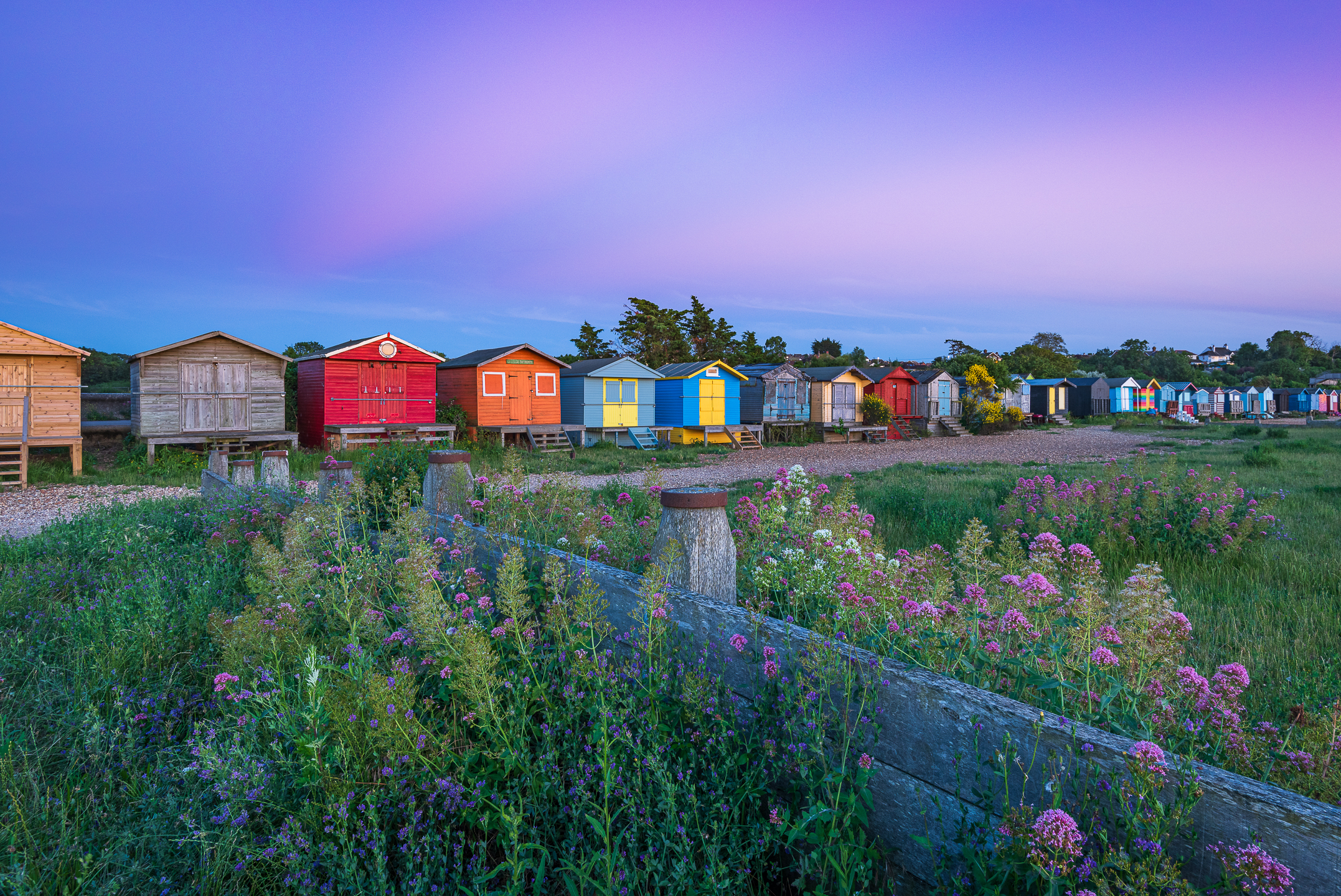
Near these huts is an old jetty that requires a very well-timed visit to capture the tide at the desired height. Add planning around sunset into the mix and you’ve got a recipe for a lot of failed trips..!
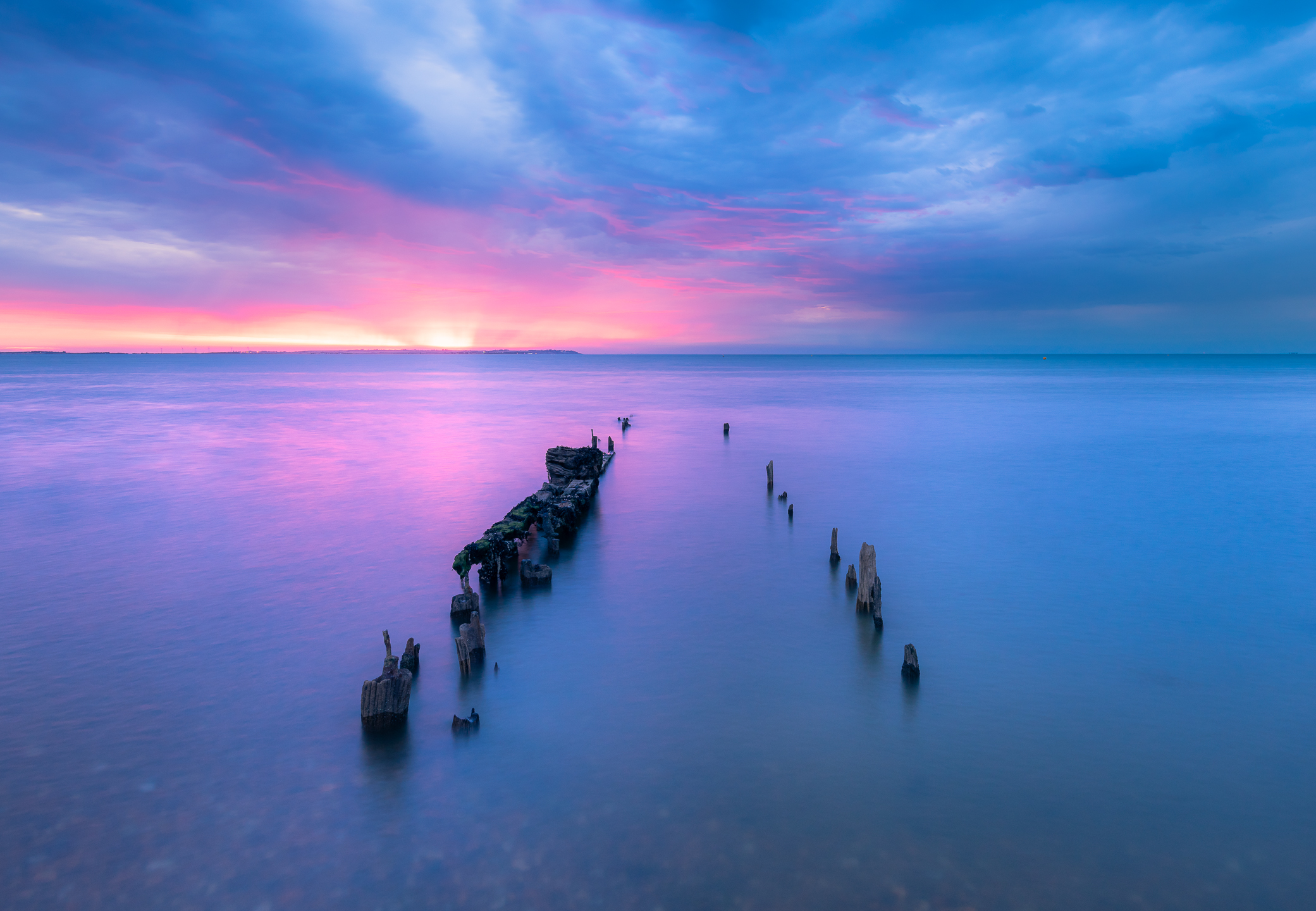
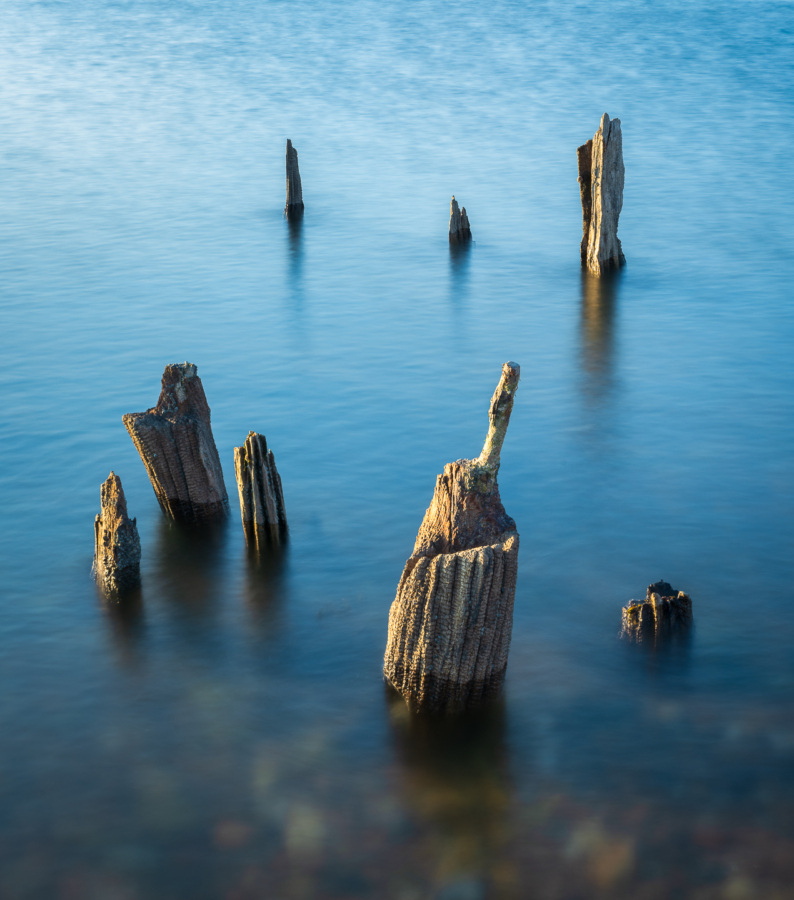
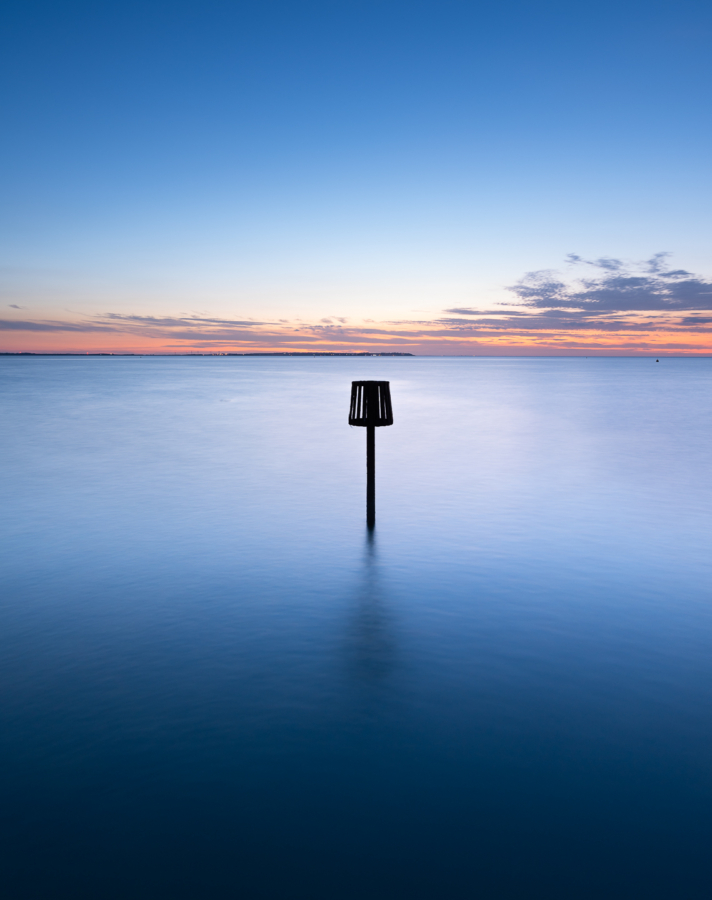
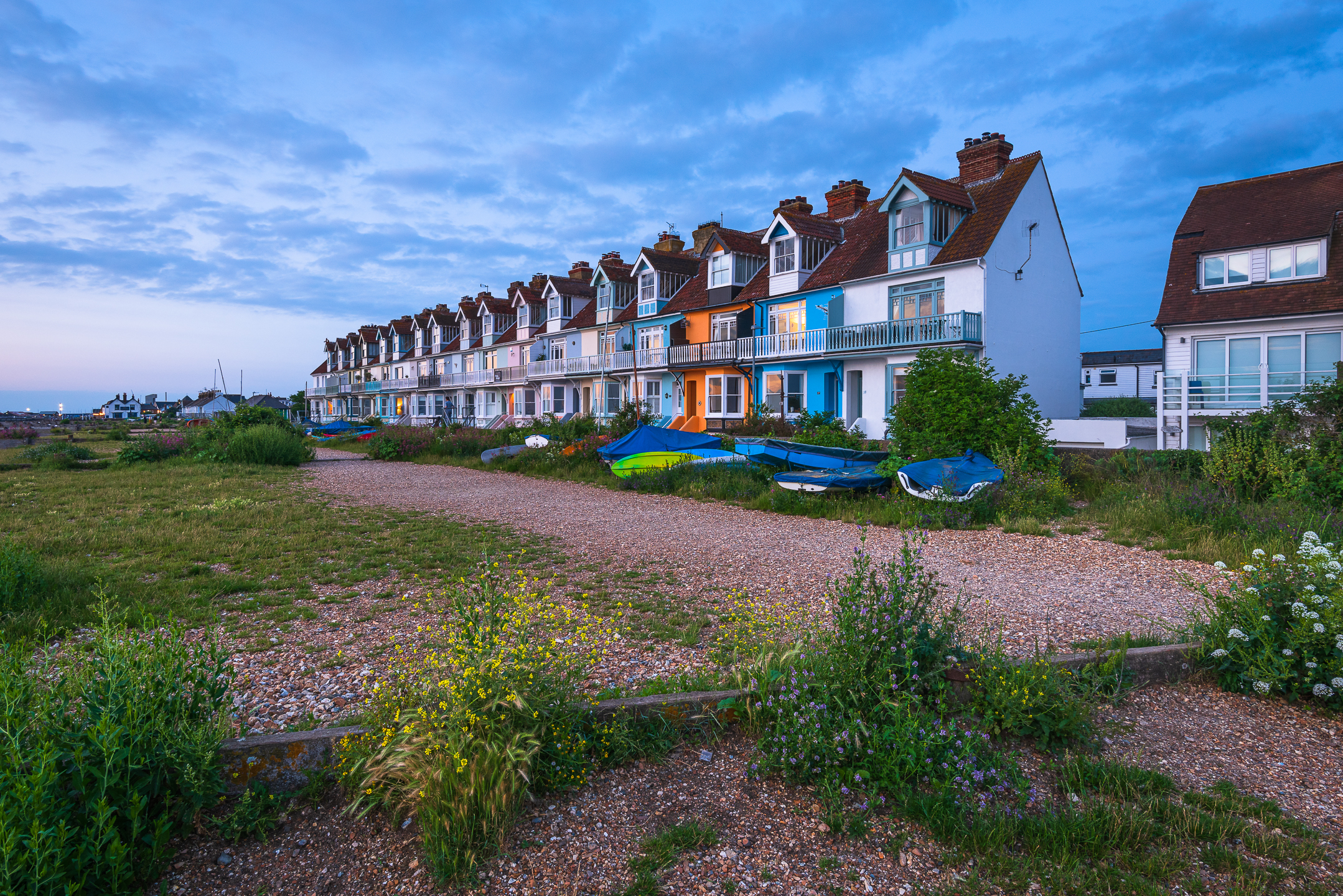
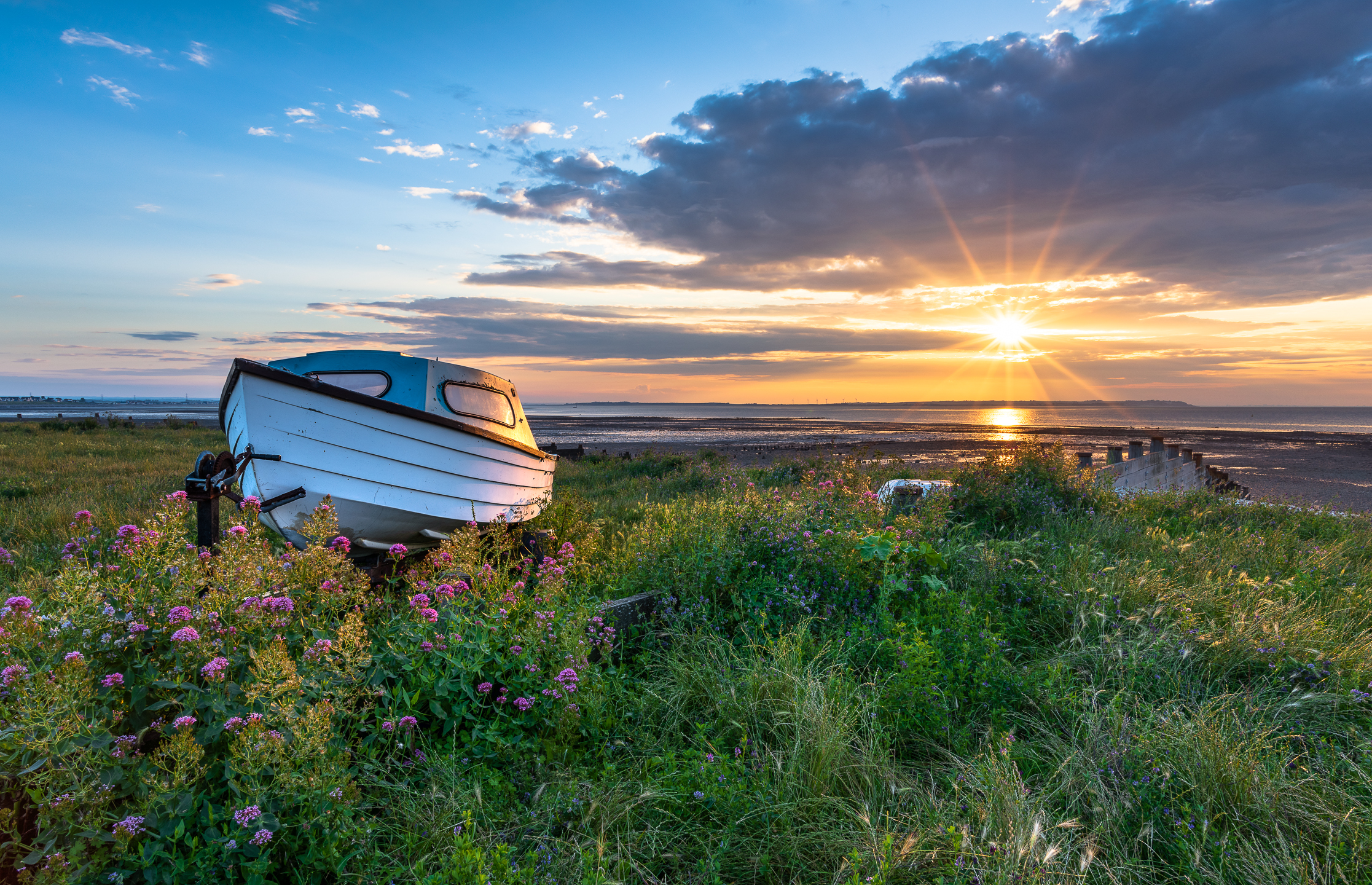
Thanks for viewing my recent work from Whitstable West Beach 🙂
[mc4wp_form id=”6076″]
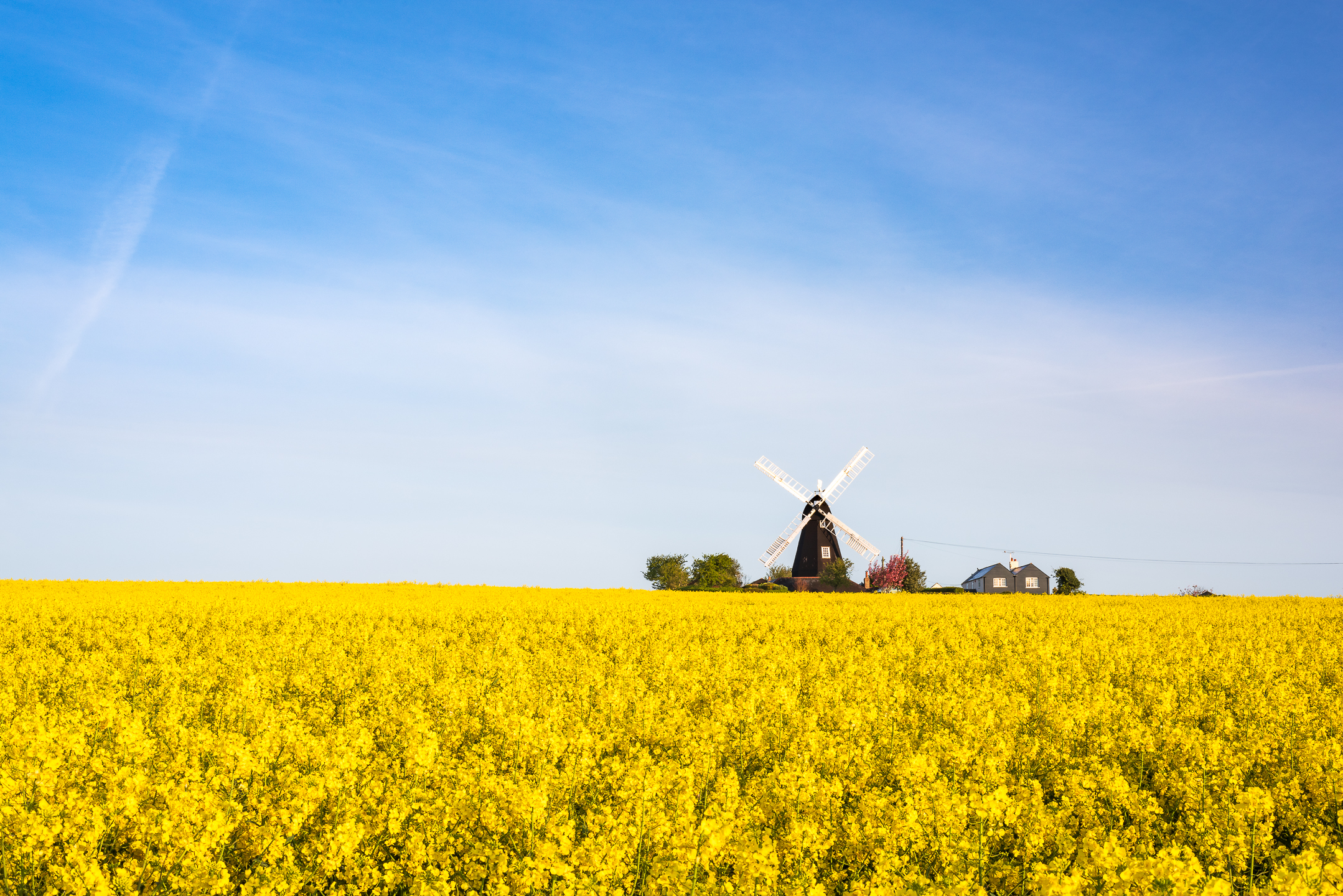
Spring Colour at Ripple Mill, Kent
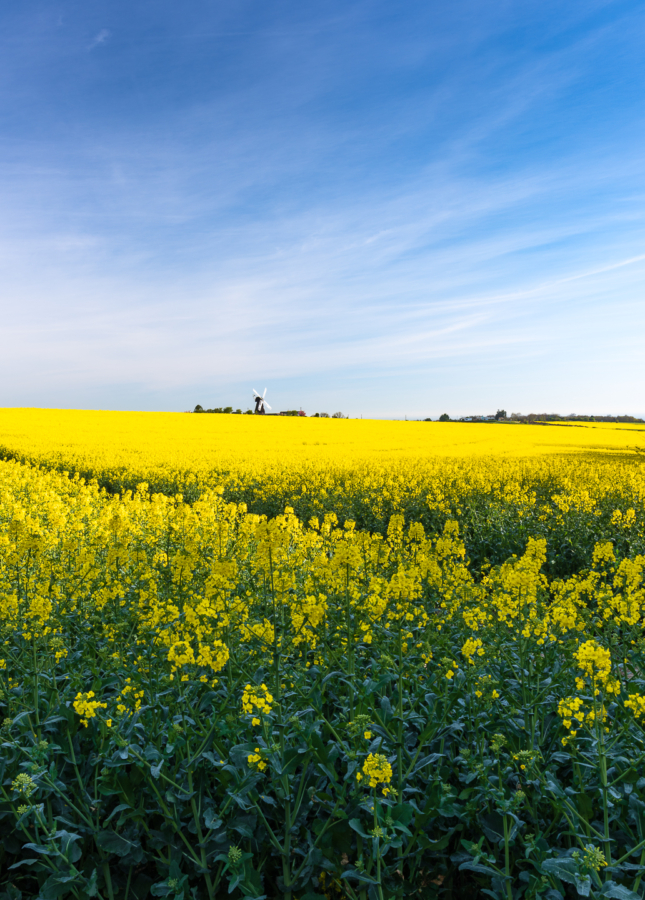
A selection of images taken in April 2022 of the yellow rapeseed fields that surround Ripple Mill; a Grade II listed smock mill in Ringwould, Kent.
When a friend and fellow landscape photographer alerted me that the fields that surround the windmill were full of rapeseed this year I was more than keen to plan a visit. Ripple Mill is a location I have often passed as it is situated next to a busy road and although I had shot it from afar, I think I was always waiting for a colourful crop to accompany the scene.
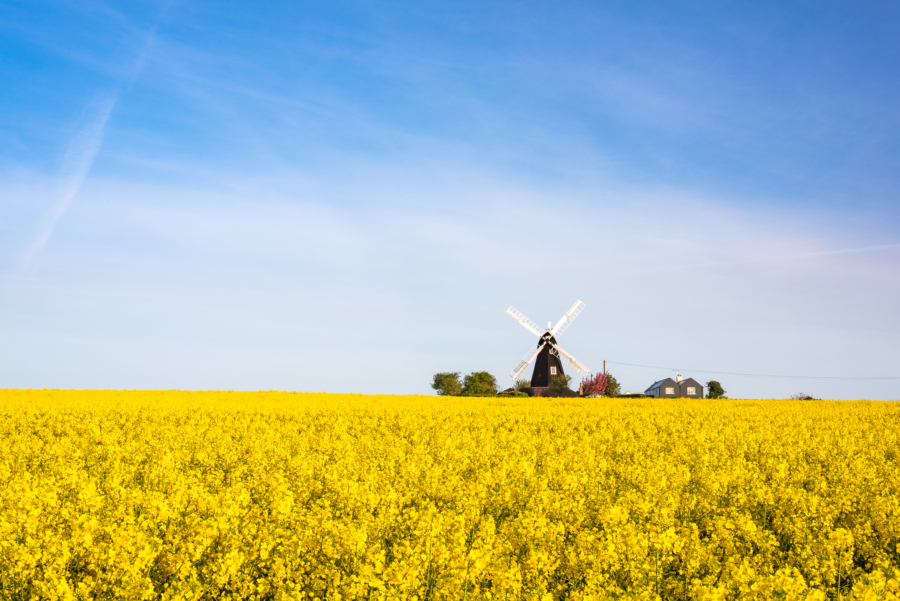
The night before I made my first visit I looked at the local OS map and I was pleased to find the windmill was encompassed by public footpaths. This would make it a lot easier and more relaxing to find a suitable viewpoint in the morning without worrying if the farmer would spot me. To be honest though, in all the years I have been out photographing the countryside I can only think of a couple of occasions when I have been confronted by the landowner but still, I’d rather not have to bother with them at all.
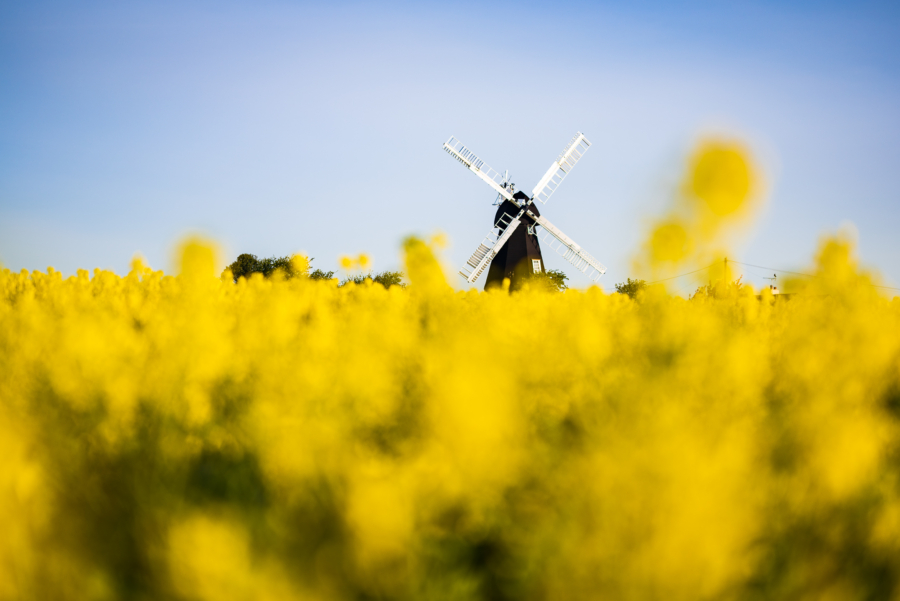
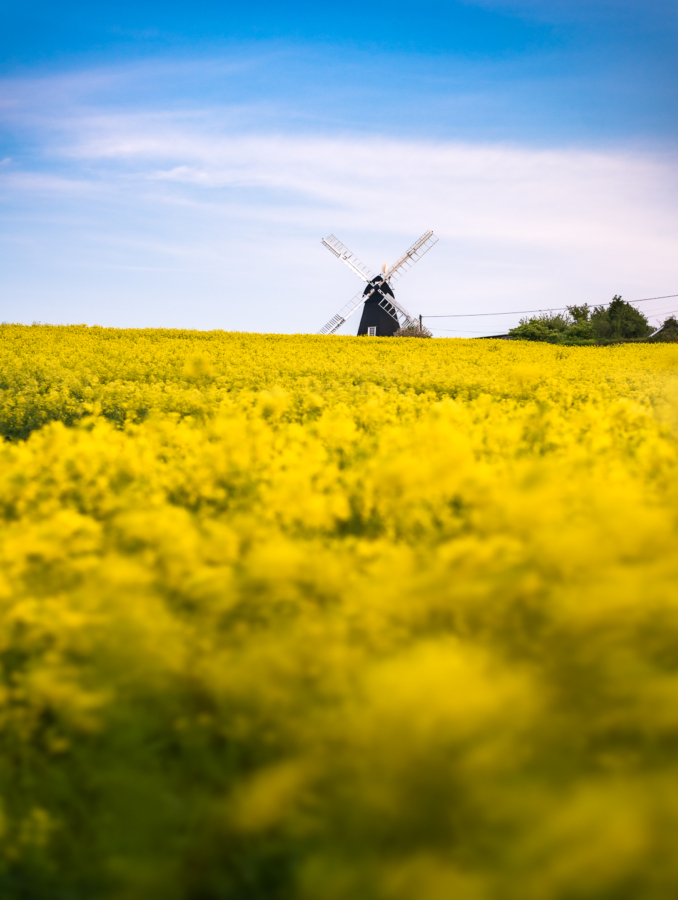
This first morning turned out to be very productive as I shot the majority of these images then. It was a very calm morning for one thing which was perfect for allowing sharp pictures of the rapeseed. Also, the sails were set in a very favourable position which allowed a range of compositions from throughout the surrounding fields. On my later trips, I was not so lucky but I guess it did allow for alternative compositions even if the new position of the sails was not ideal for the shot I had in mind.
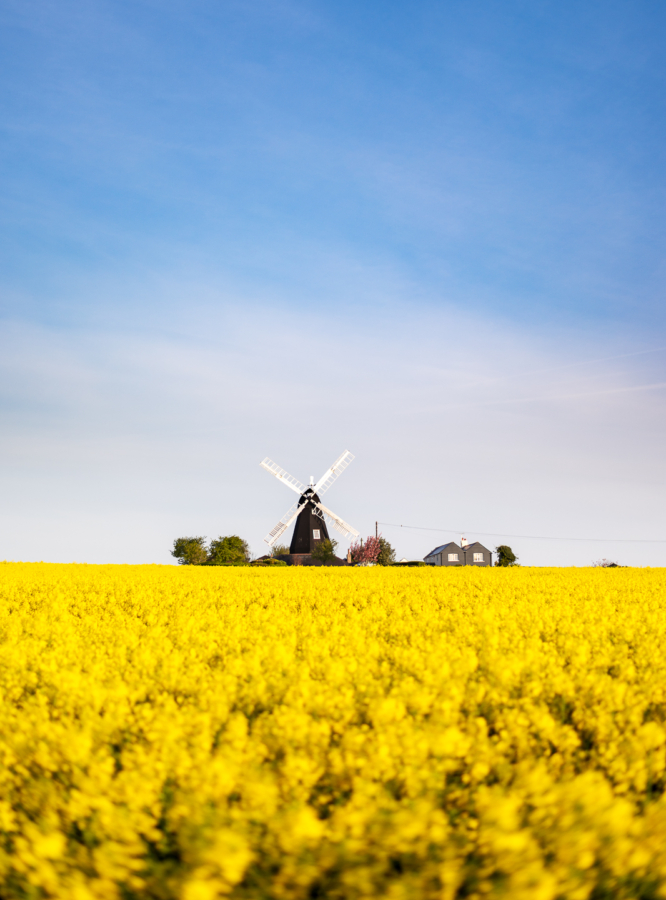
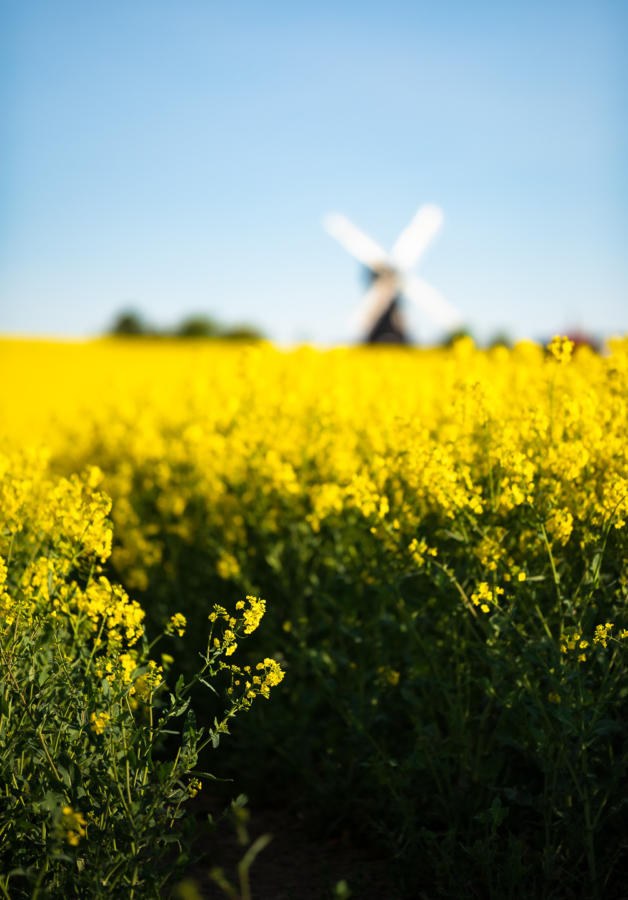
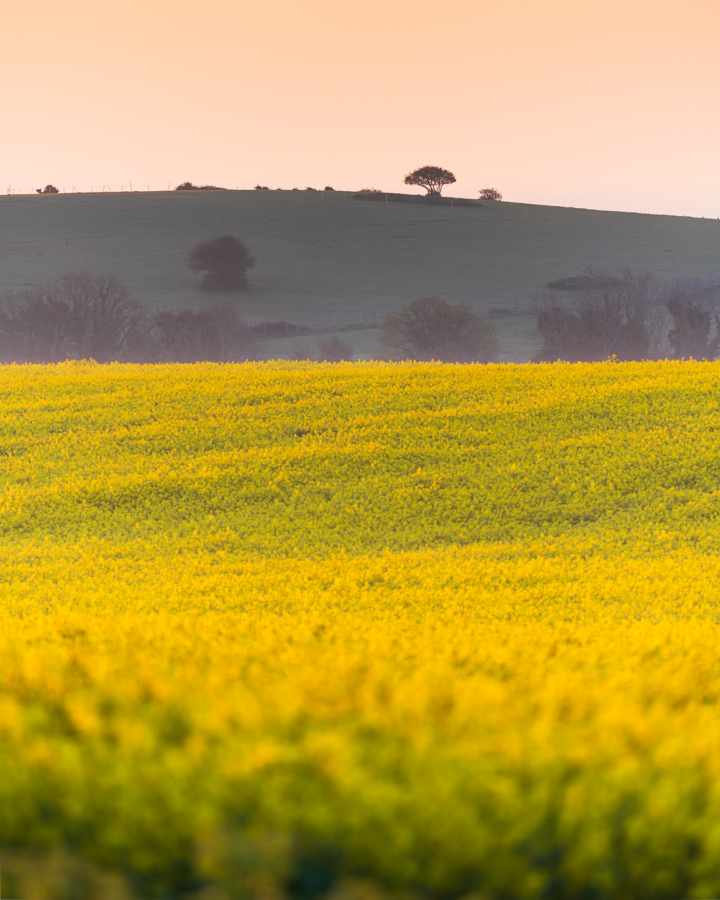
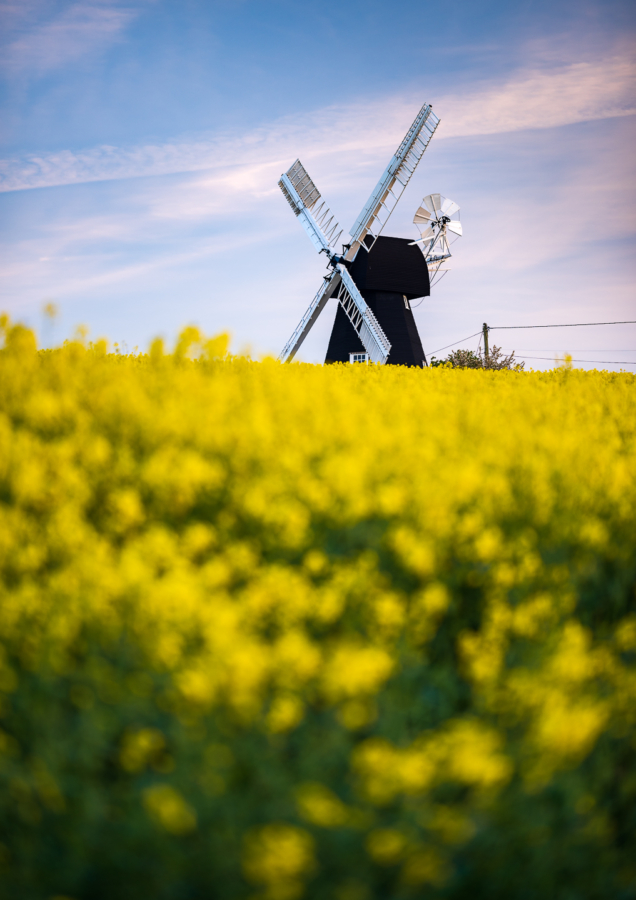
Later on in the morning with some classic scenes safely exposed I could experiment with some ‘creative’ type images. One technique I like to use when shooting masses of colour like this, be it with bluebells or poppies, is to shoot wide open with a longer lens. This can blur the out-of-focus areas completely, simplifying the scene and allowing me to experiment with how I portray the scene. For example in the shot above, I framed around the mill in the distance yet I focussed instead on the flowers in the foreground, rendering the usual focal point of the landscape barely recognisable.
After I made my way back to my starting point the morning was drawing to a close. I was very happy with my morning’s work yet I thought there was potential for a good sunset shot while the windmill sails were in this position so I came back that evening.

It may not be the greatest display of colour but it’ll have to do as on the subsequent evenings I came back to try and better this shot, the colour was worse plus the sails were in the wrong position anyway. So, it’ll have to do!
Thanks for getting this far. If it has helped you in any way please leave me a comment 🙂
Photographing Kent; my recent article for Outdoor Photography magazine
Located in the far south-east of the UK, the county of Kent is historically known as the ‘Garden of England’ for its abundance of orchards and hop gardens. Despite also being the 5th most populous county in England, a third of Kent is registered as an Area of Outstanding Natural Beauty including the Kent Downs, a series of chalk ridges stretching from the Surrey borders in the west to the White Cliffs of Dover in the east. As well as being home to this iconic landmark the Kent coastline also comprises unique marshlands, tidal pools and sandy beaches which together with the easily accessible countryside is what makes Kent so special for the visiting photographer.
Broadstairs
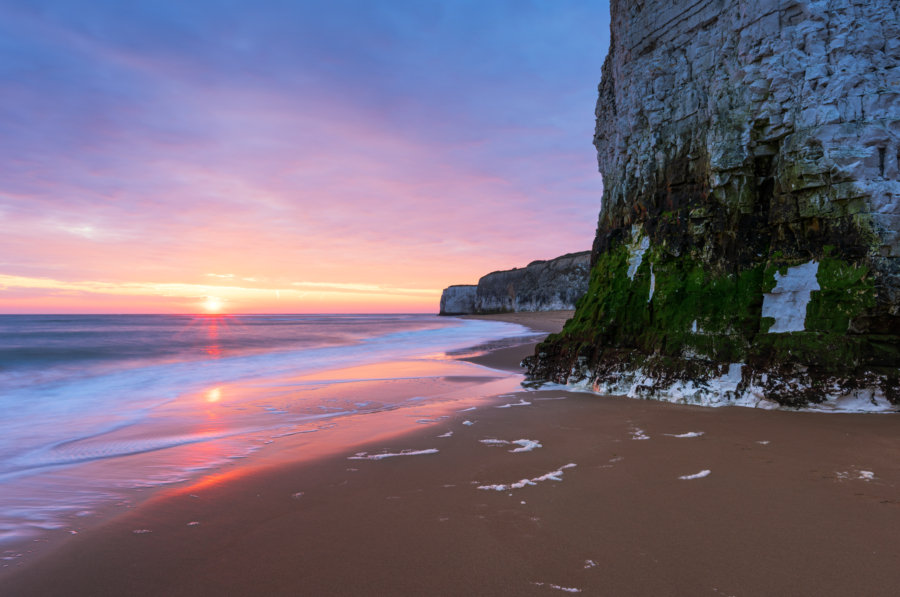
Broadstairs is a coastal town situated on the Isle of Thanet; a peninsula at the most easterly point in Kent that was once separated by the Wantsum Channel but which has long since silted up. The area is home to the popular towns of Margate and Ramsgate and is a renowned holiday destination due in part to the numerous sandy beaches; there are 16 beaches on Thanet and 7 in particular in Broadstairs!
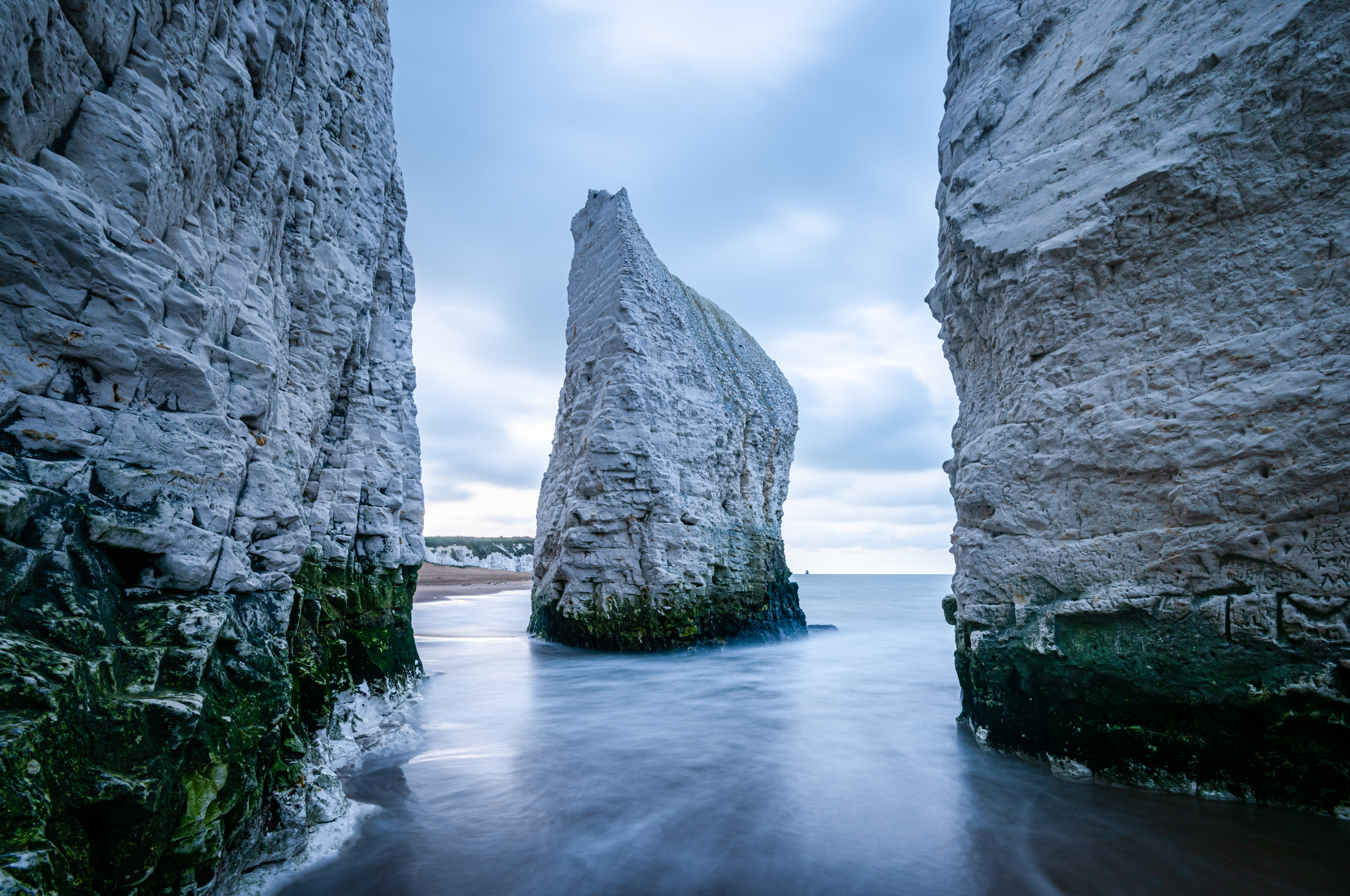
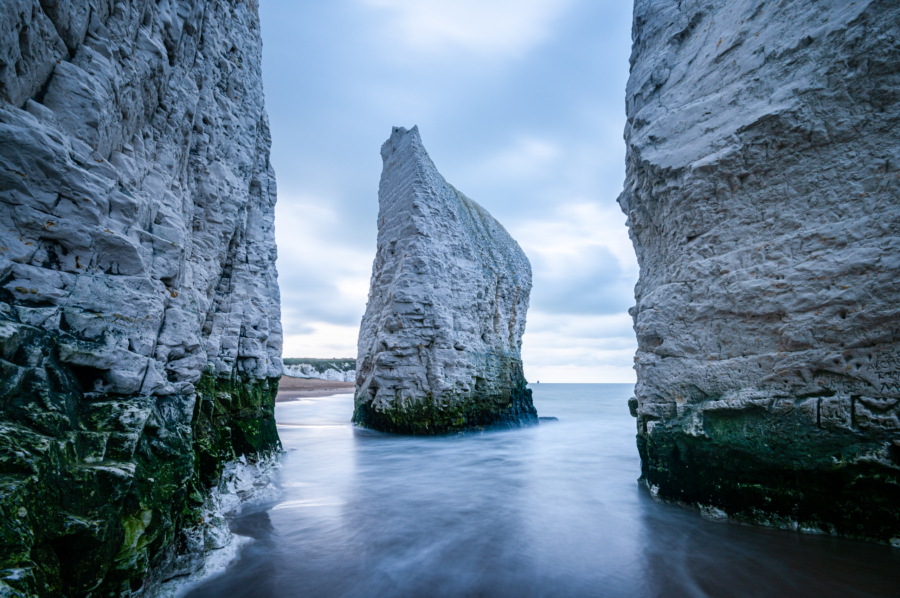
The options are indeed ample but I would recommend Botany Bay and Kingsgate as ideal locations to explore first. These adjacent bays both have cliff interest in which to frame compositions around and are easily accessed from nearby car parks. Being on the east coast both these beaches lend themselves to a sunrise shoot although the cliff stacks on Botany Bay are also perfect to shoot on a summer sunset. The nearby sea arch at Kingsgate Bay looks at its best when side lit just after sunrise in Spring and Autumn and there are options at both locations regardless of the tide height.
Reculver
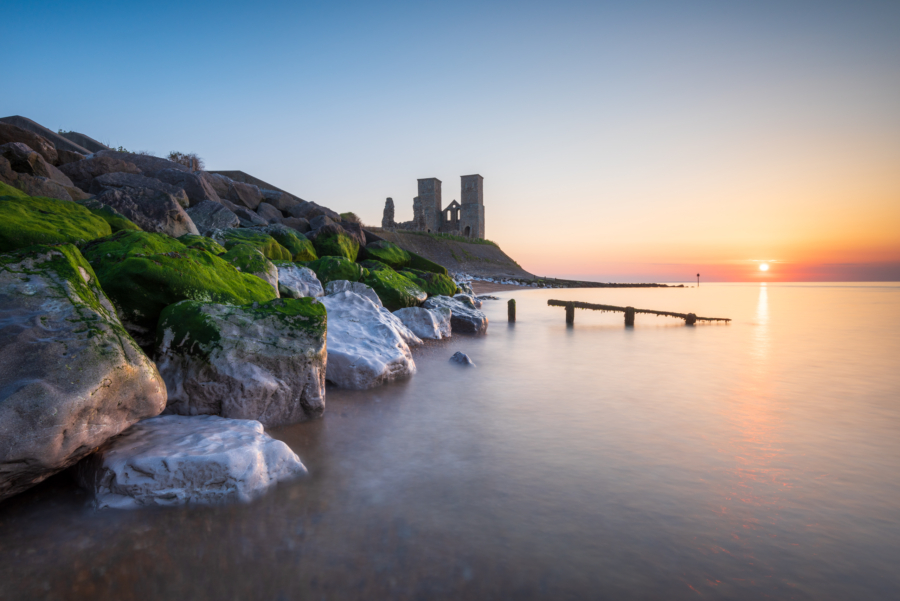
On the North Kent coast near the town of Herne Bay lies the small village and seaside resort of Reculver. The imposing twin towers of the Anglo-Saxon church built in the 12th century remain on the site of one of the earliest Roman forts; Regulbium.
Due to coastal erosion, the ruins are now situated very close to the coast, enabling fantastic all-around views which makes Reculver an ideal location at any time of the day and year. The most dynamic opportunities for photos of the front of the towers require walking down onto the soft wet sand at low tide so make sure to pack wellies! Images from behind the towers can be timed to include the setting sun during April – September.
Folkestone Warren
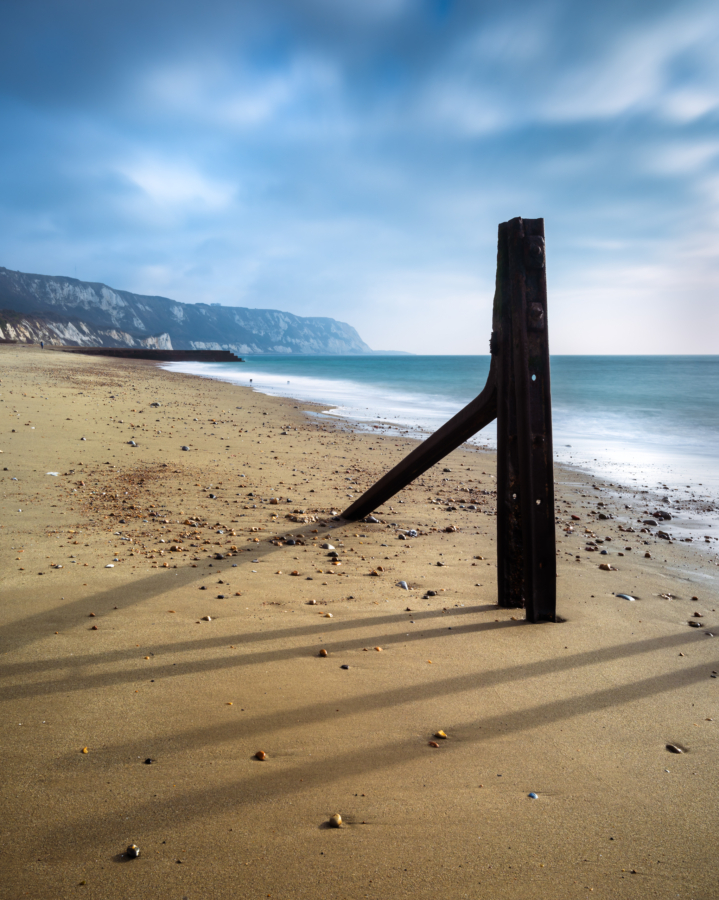
The Warren Country Park is a nature reserve and Site of Special Scientific Interest in Folkestone which has been formed by centuries of landslides from the surrounding cliffs. In its Edwardian heyday the Warren was a very popular destination with its own railway station, café and playgrounds but after a substantial cliff fall in 1915 which buried the Dover to Folkestone railway line, the Warren seems destined to be something of a hidden gem on the Kent coast.
The sandy beach at the base of the cliffs is full of interest for seascapes with its unique railway line sea defences and bold concrete aprons which were built in the fifties to help prevent further erosion. The bay faces south-east which is ideal for sunrises especially during the winter months and although any tide height here will work the disused railway line groynes will mostly be invisible at high tide.
King’s Wood, Challock
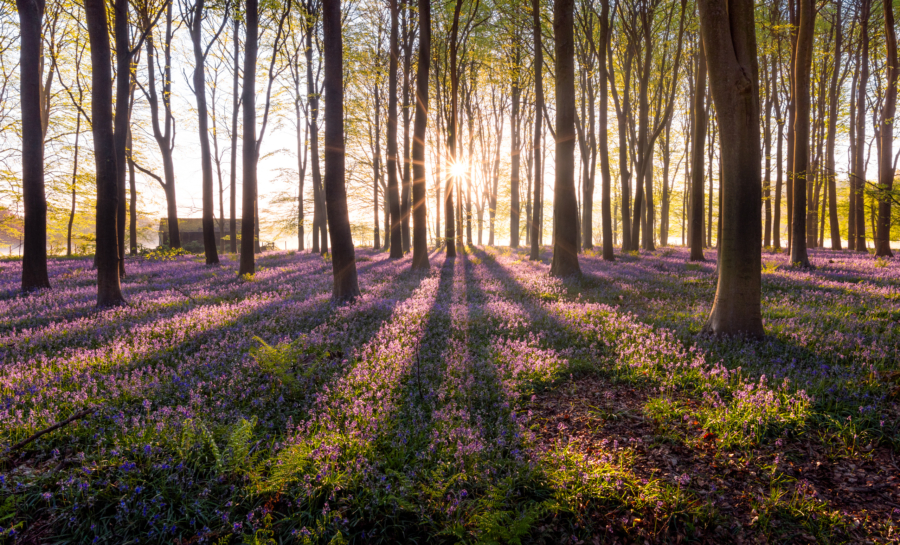
King’s Wood is one of Kent’s largest ancient woodlands. The 1500-acre forest located in the Kent Downs AONB has a mix of broad-leafed and coniferous trees with a diverse range of flora and fauna which can be explored via an array of trails and well-maintained paths; historically King’s Wood was a royal hunting ground frequented by Henry VIII and herds of fallow deer still roam here today.
One of the main attractions to these woods occurs during the Spring months when the forest floor is carpeted with beautiful bluebells. There are plenty of areas on the outskirts of the woods where the bluebells thrive in between the rows of beech trees which can make for dramatic images at either end of the day.
Fairfield Church
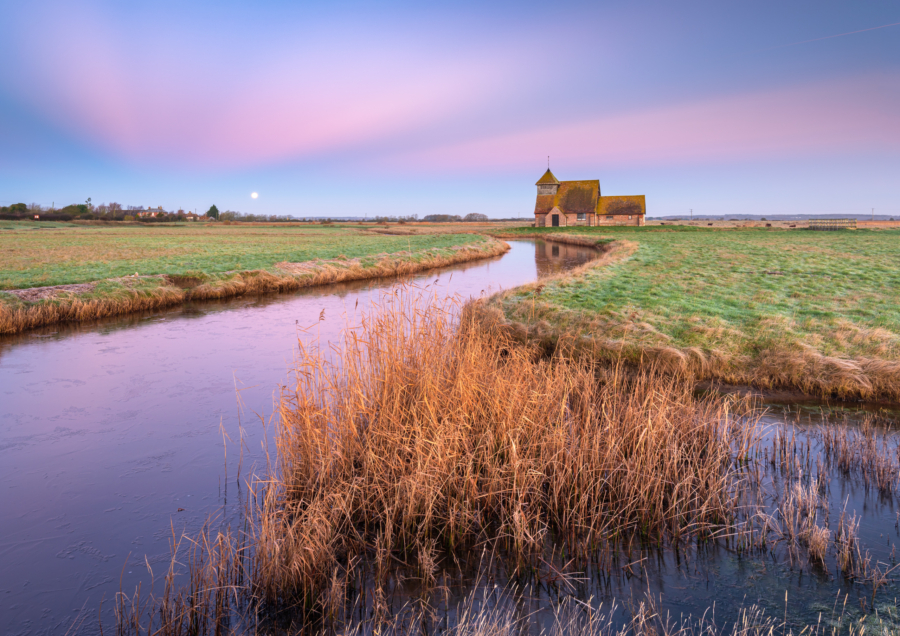
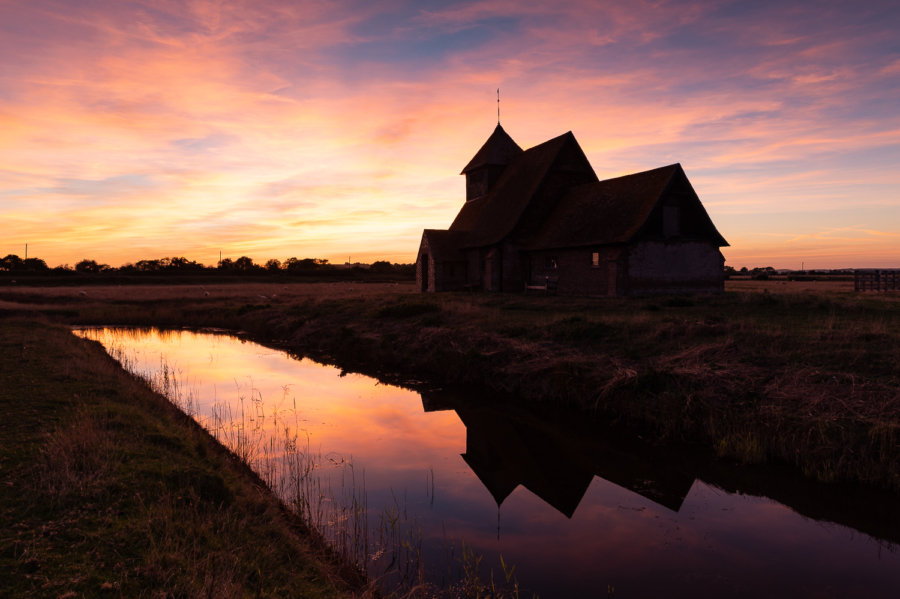
Fairfield church also known as St. Thomas à Beckett church is an iconic isolated building on Romney Marsh in the south of Kent. Little remains of the village it was first built to serve in the 13th century, Fairfield along with many other villages on the marshes vanished as the population fell, notably due to malaria which was prevalent in the area into the 1800s.
The medieval church now sits alone in among the fields of grazing sheep, intersecting with various watercourses and drainage ditches which offer fantastic opportunities to frame and reflect the church in all directions. The location is particularly suited to sunrise shoots when frequently occurring low-lying mist can enhance the atmosphere.
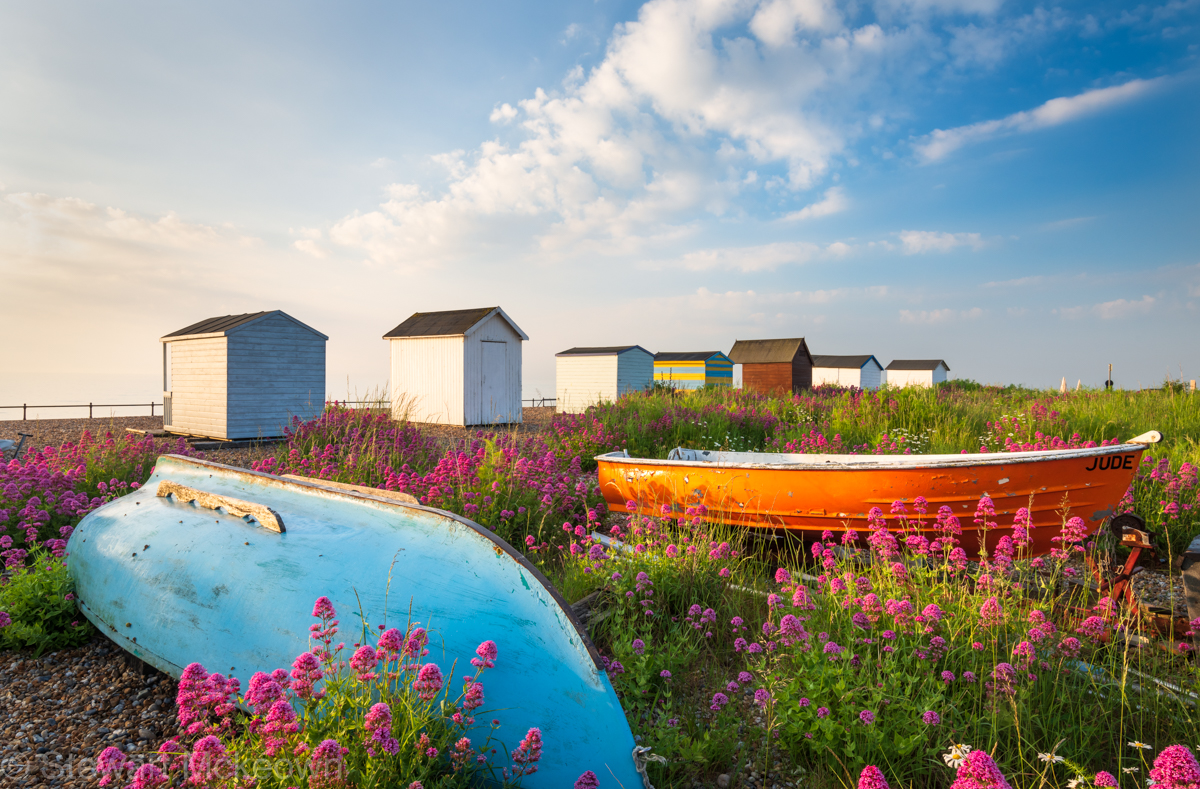
Wildflowers at Kingsdown, Deal
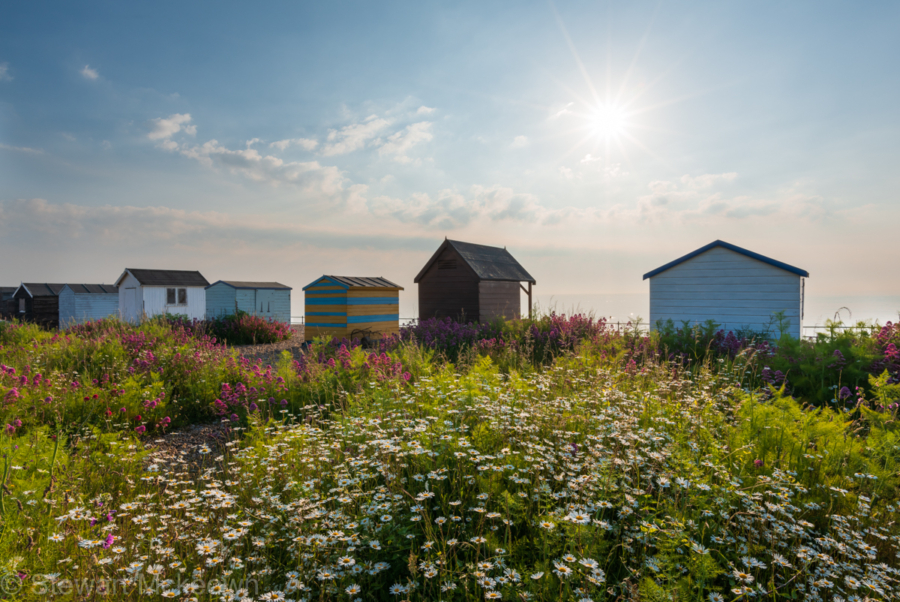
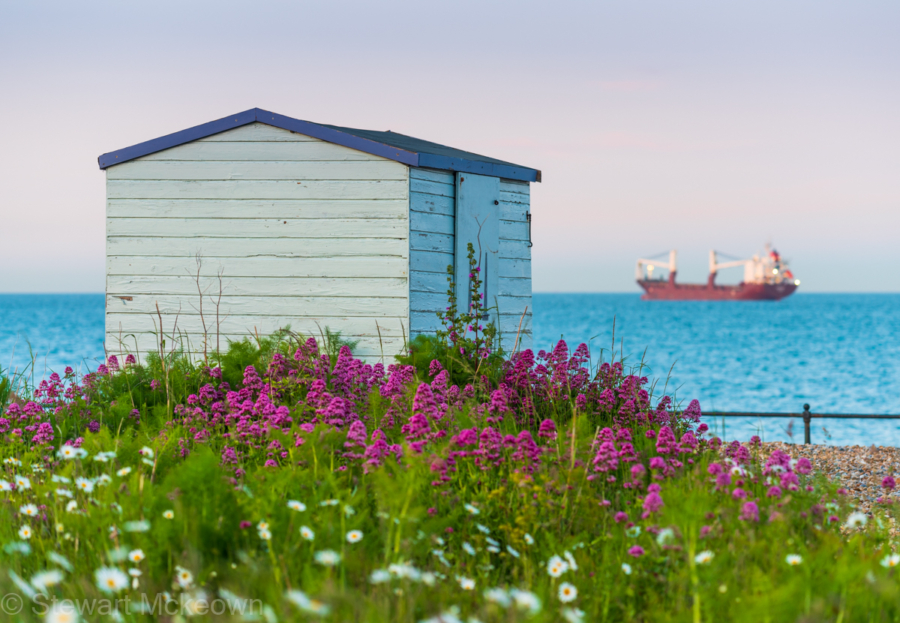
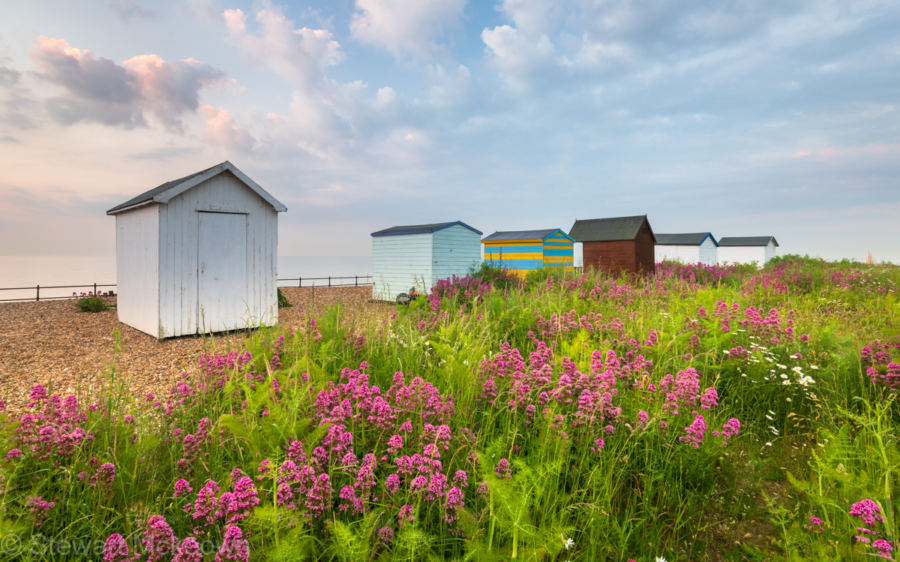
Here are a few of my recent images of the Spring wildflowers on Kingsdown beach near Deal.
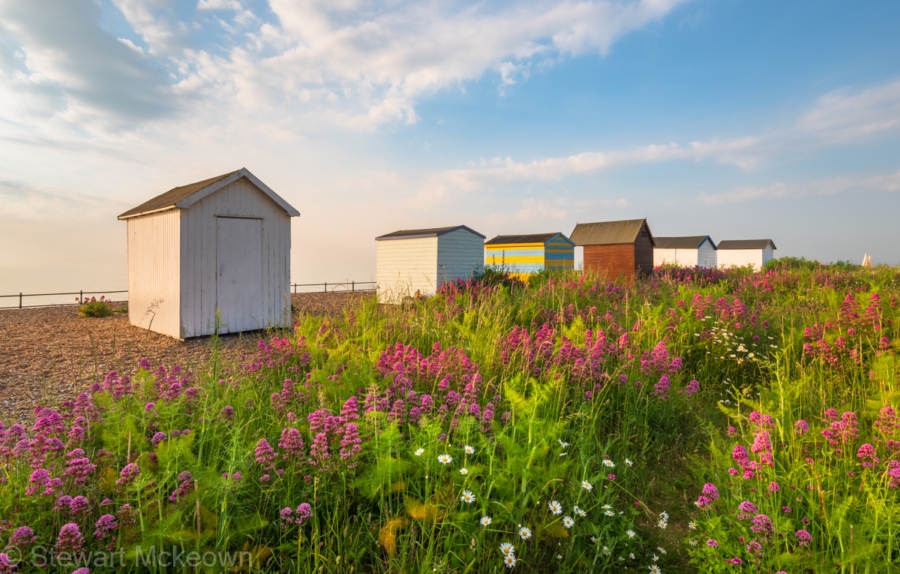
I’ve been to this small Kent beach before but my aim this time was to capture the wildflowers that grow behind the beach huts in their peak condition. This time of the year is always busy for Spring colour with bluebells and many orchids species growing that by the time I turn my attention to the coast the Red Valerion flowers, in particular, are a bit worse for wear. However, I’ve got no excuses this year as many plants have been delayed by the cold weather.
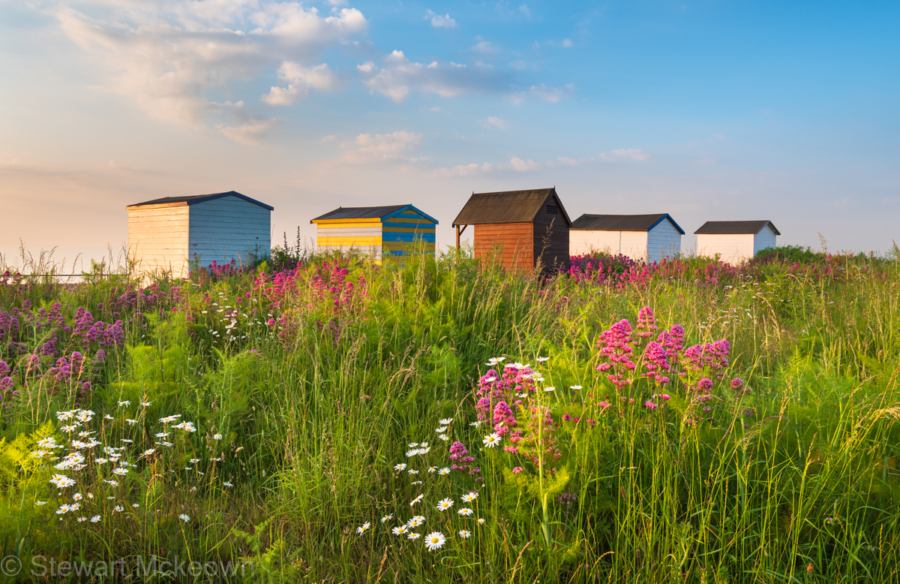
I began by visiting this location in the evenings at the end of May to check on the blooms and also to try out potential compositions. The flowers were already looking great by this point however it was clear that the direction of the morning light would suit my shots better which was something I was hoping to avoid.
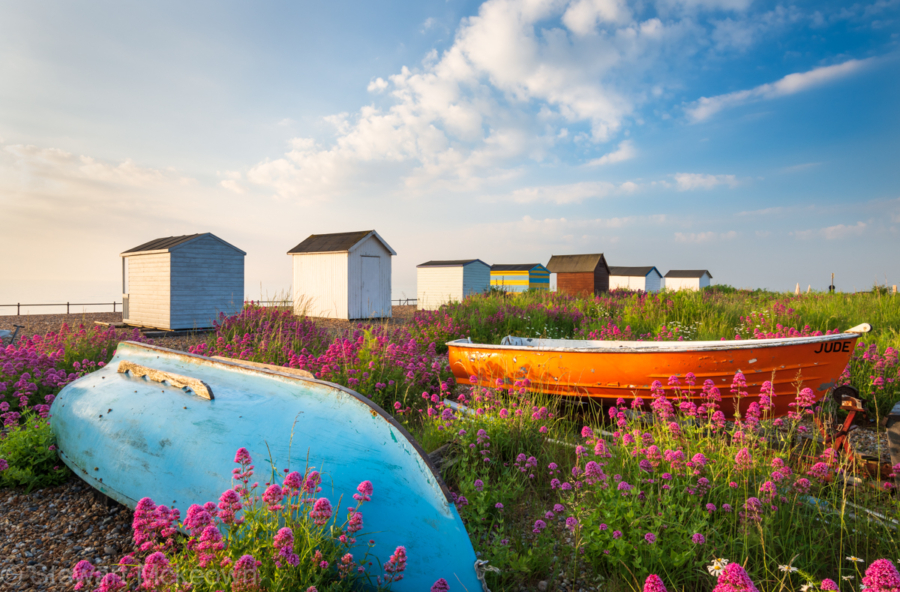
Now, I tend to prefer sunrise trips to sunset shoots; there is often no one around and the light is generally softer and colours more subtle. But, in Kent and in June this means a 3.30 am alarm so it is something of a last resort!
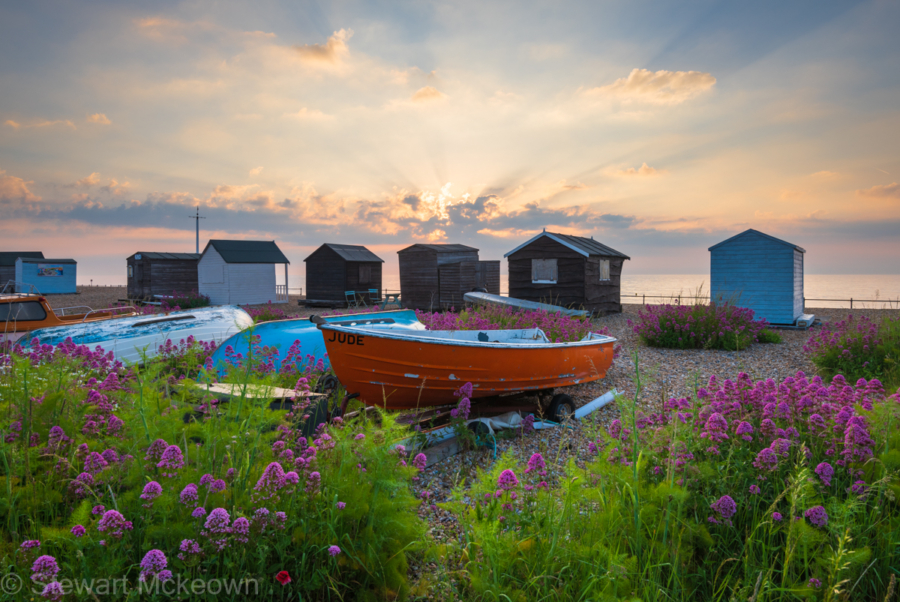
I waited until the following week for the ideal weather conditions. ‘Ideal’ for this shoot meant a calm morning with a clearing sky and next to no wind so I could capture the flowers with the lowest ISO and therefore highest quality.
The sun rises very quickly in the Summer so there is not a lot of time to shoot before the light gets too harsh. I had already planned out most of my compositions to make the most of the best light but also when I saw the spectacular sunrise unfolding I quickly found something before the moment was lost.
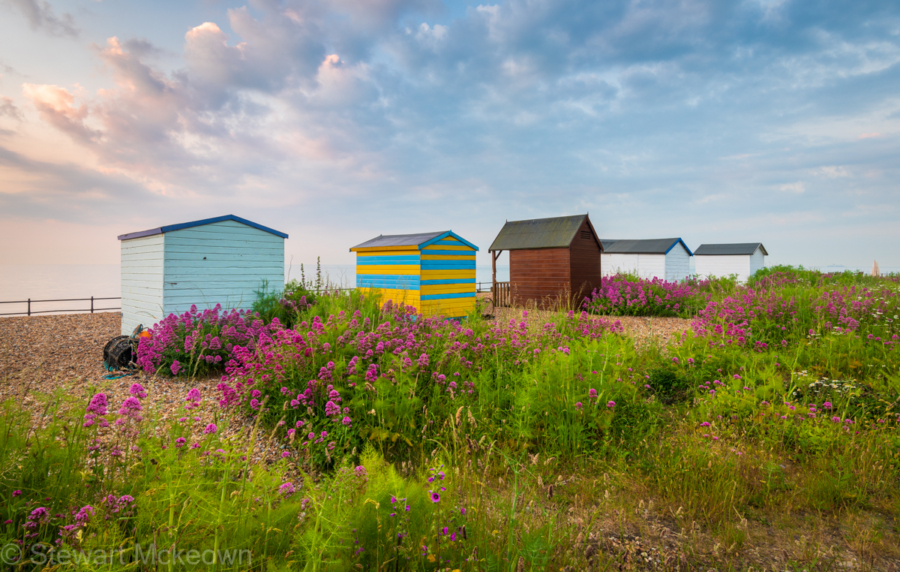
As the morning wore on it was a case of getting the pre-envisioned shots in the bag. I cycled through these a few times in the changing light and skies before experimenting with my new fisheye lens once I thought I had safely captured what I came for.
The fisheye is a unique lens that creates very strong distortion. Usually, I am keen to maintain a sense of realism in my landscape photography by keeping architectural lines straight but it was fun to try out a new approach.
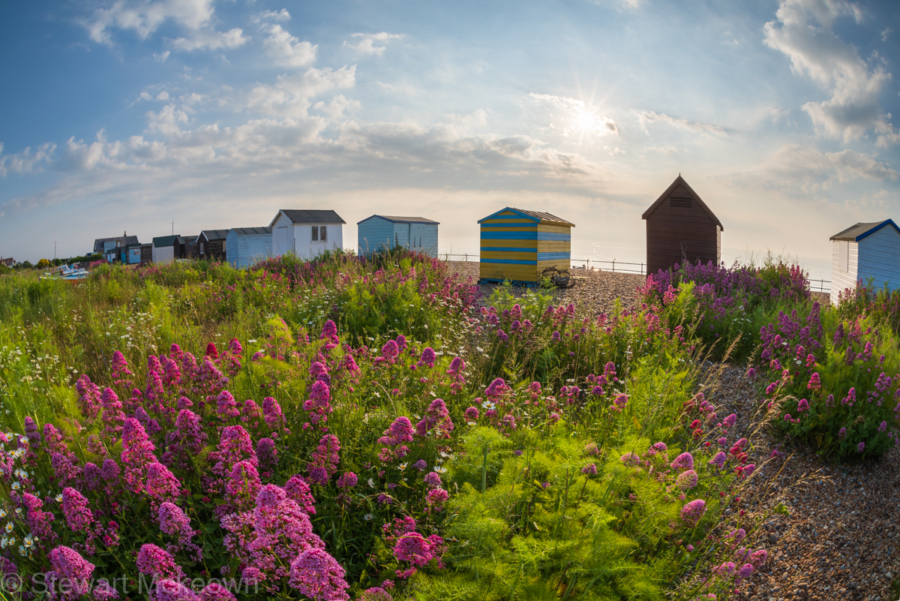
By 7.30 am the best of light had gone. The past 3 hours had flown by but now I was keen to get some sleep before work..!
Here are the rest of my shots from this year’s trips to Kingsdown.
Kent Wild Orchids
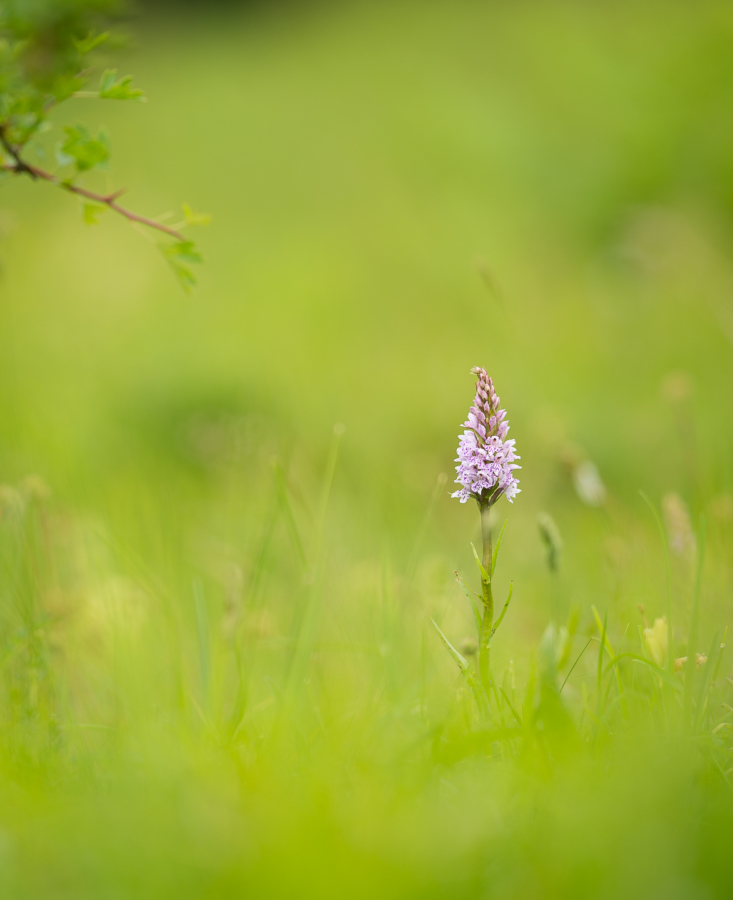
I’d like to share some of my photographs of Kent Wild Orchids from the past few summers. Whilst I am more of a ‘landscape’ photographer, seeking out and learning about these marvellous rare flowers turned out to be a great way to explore the county and fill those long summer days before a sunset shoot.
The first orchids I came across were in a small reserve in Denge Woods named Bonsai Bank. I had been to the woods before to shoot bluebells in the spring but after doing some more research online I found out about this chalk scrubland well known for its Lady Orchids.
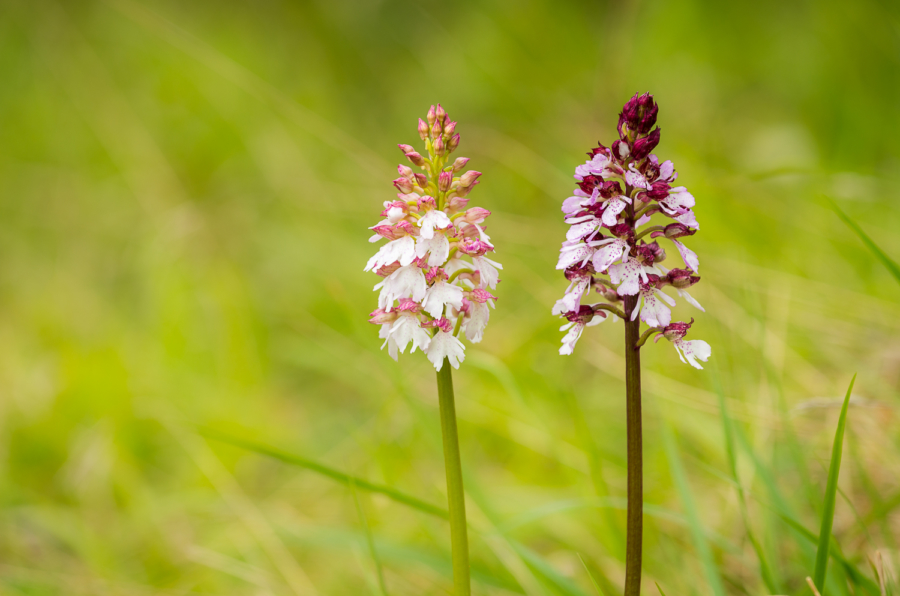
There are hundreds of Lady Orchids here and all quite easily visible from the footpaths in the reserve. The difficult part is setting up the tripod and committing to a subject without worrying there is something better around the corner!
On my first few trips looking for orchids the only suitable lens I had with me was my 70-200 f4 zoom. This telephoto lens is perfectly capable of getting some nice ‘record’ type shots but I soon added a Samyang 135mm f2 lens which offered the chance to get very different sort of images.
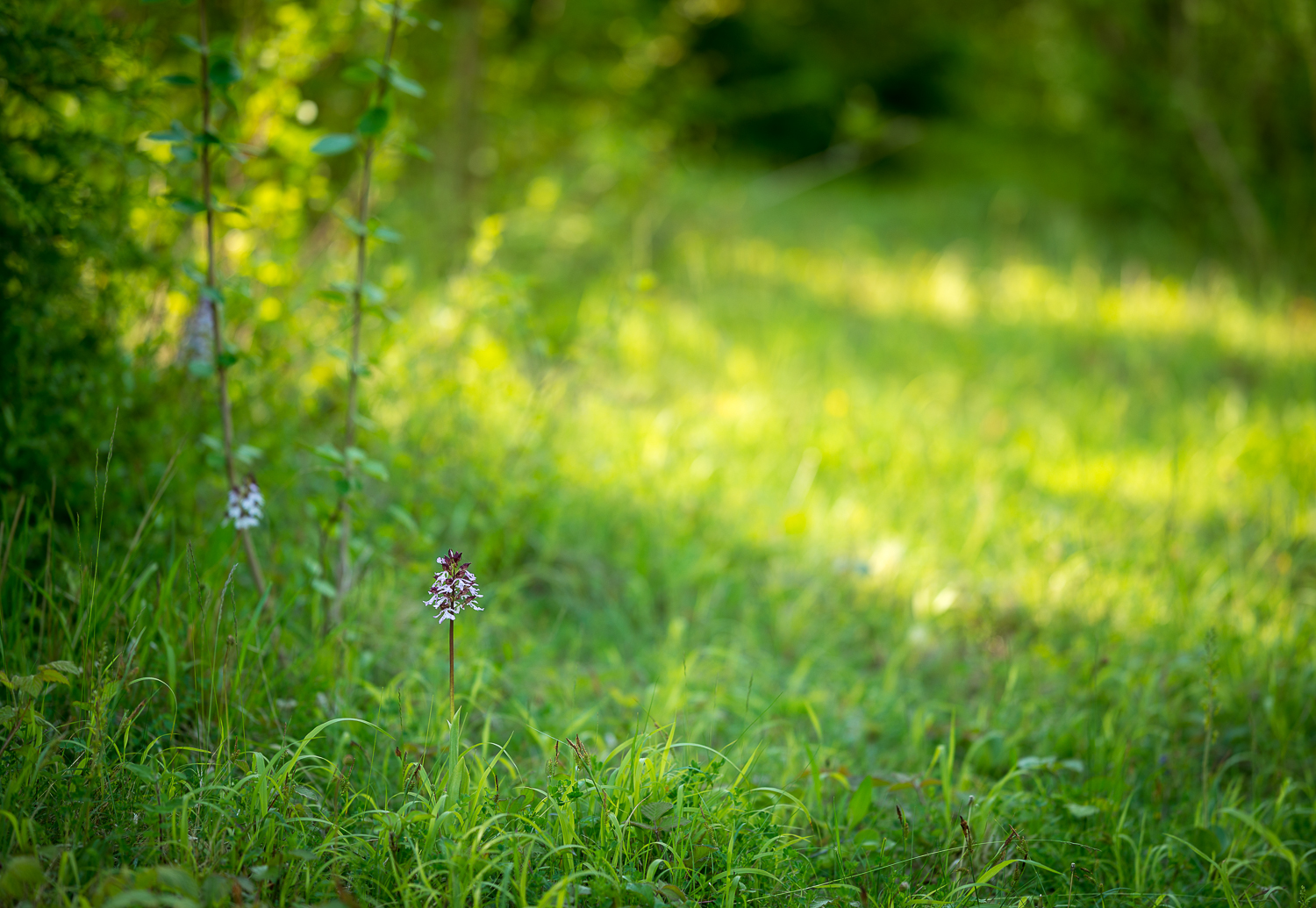
It took some time to find the right lens to add to my setup and I went through a few macro lenses before I realised a traditional macro wasn’t going to do it. Macro lenses tend to stop down automatically the closer they need to focus which makes sense to keep the subject sharp but I wanted to exaggerate the shallow focus.
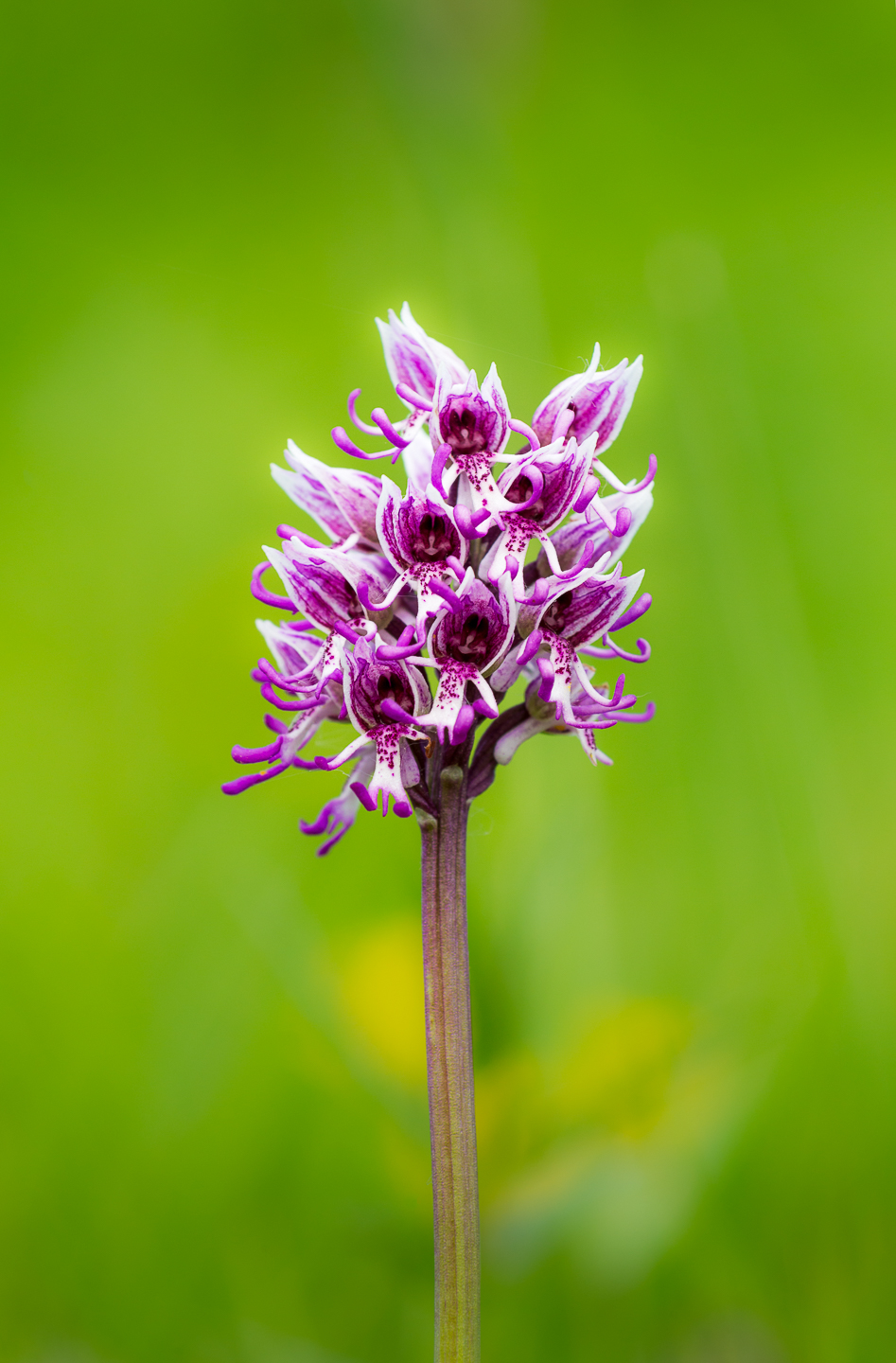
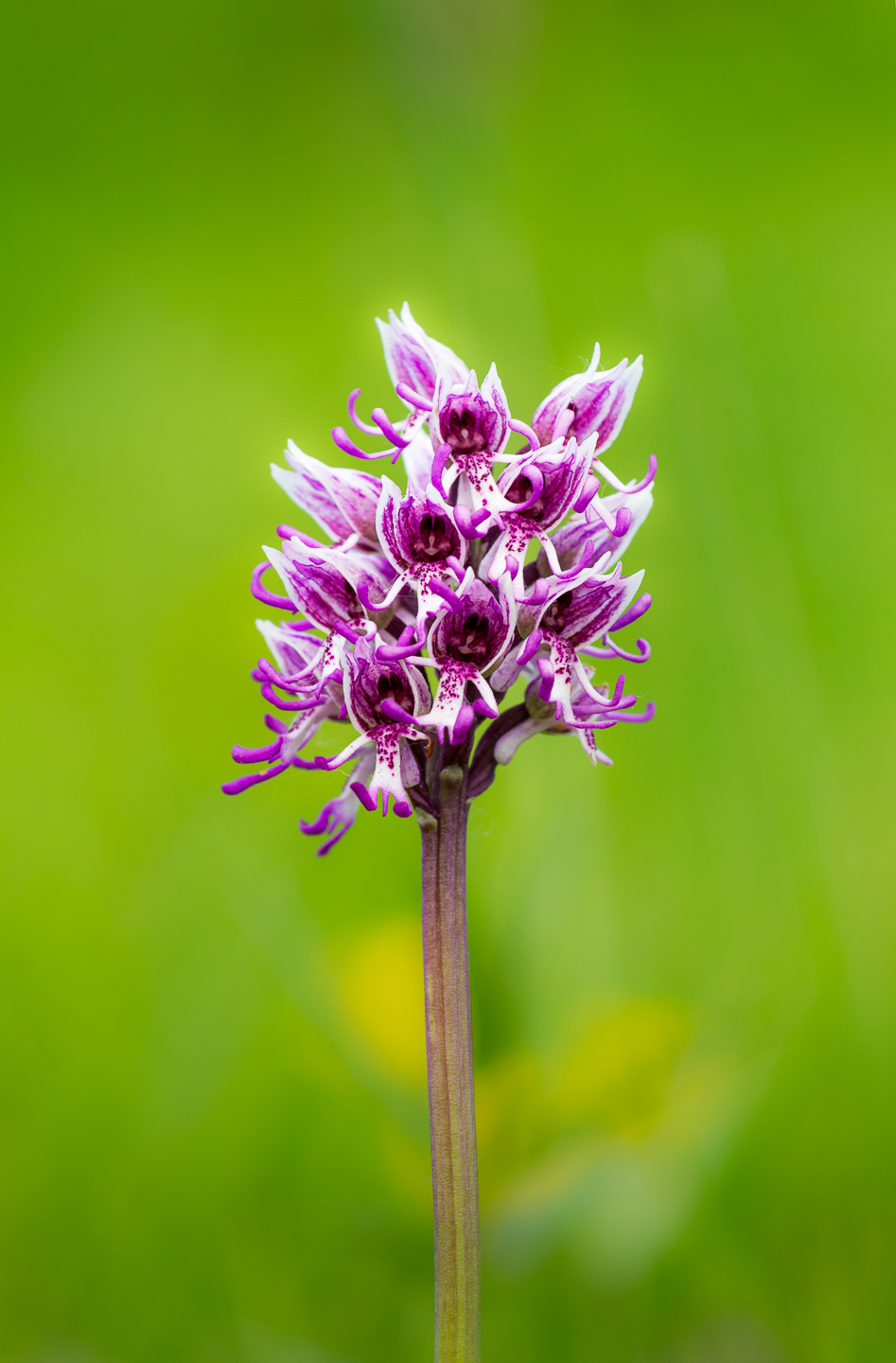
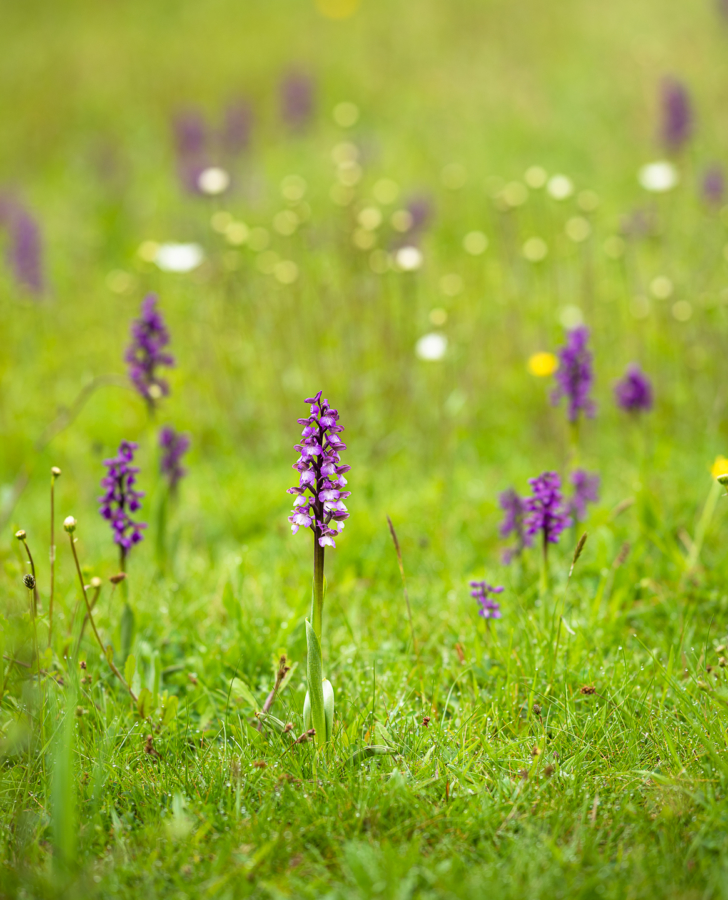
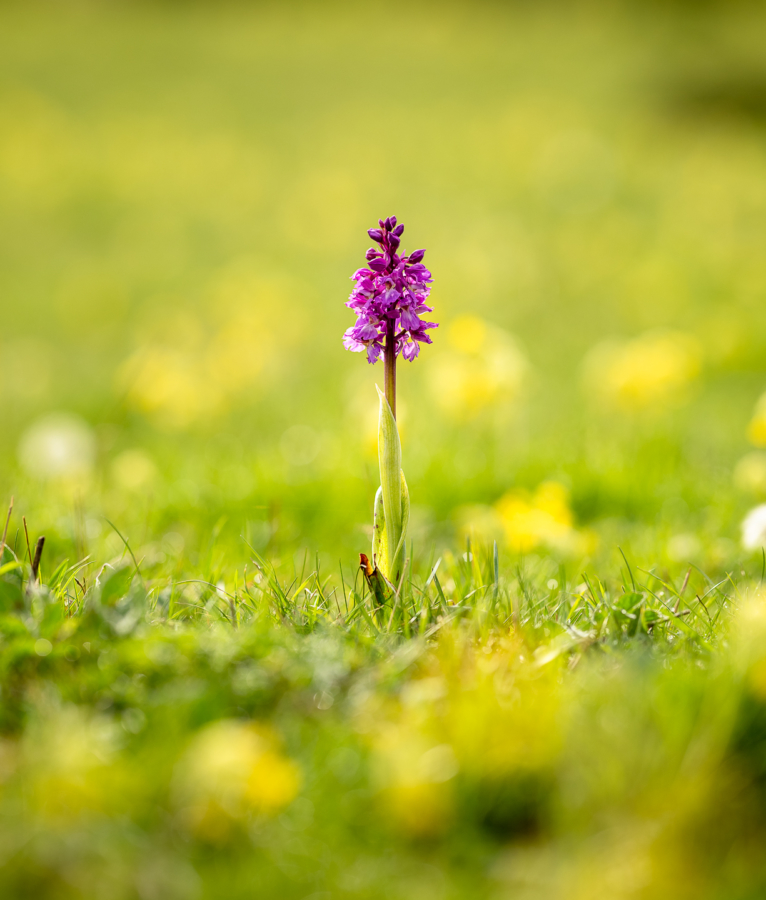
Park Gate Down nature reserve is on the outskirts of Stelling Minnis and is famous for being one of only a handful of locations in the country to have Monkey Orchids. They start to appear in early May although they are quite difficult to see and considerably smaller than Lady Orchids. Even in the well-managed meadows of Park Gate they are difficult to spot but once you get your eye in; you’ll notice them everywhere.
Once I find a nice subject with an uncluttered background I like to get the classic portrait shots completed first before I can experiment with shallow depth of field and try to create something different.
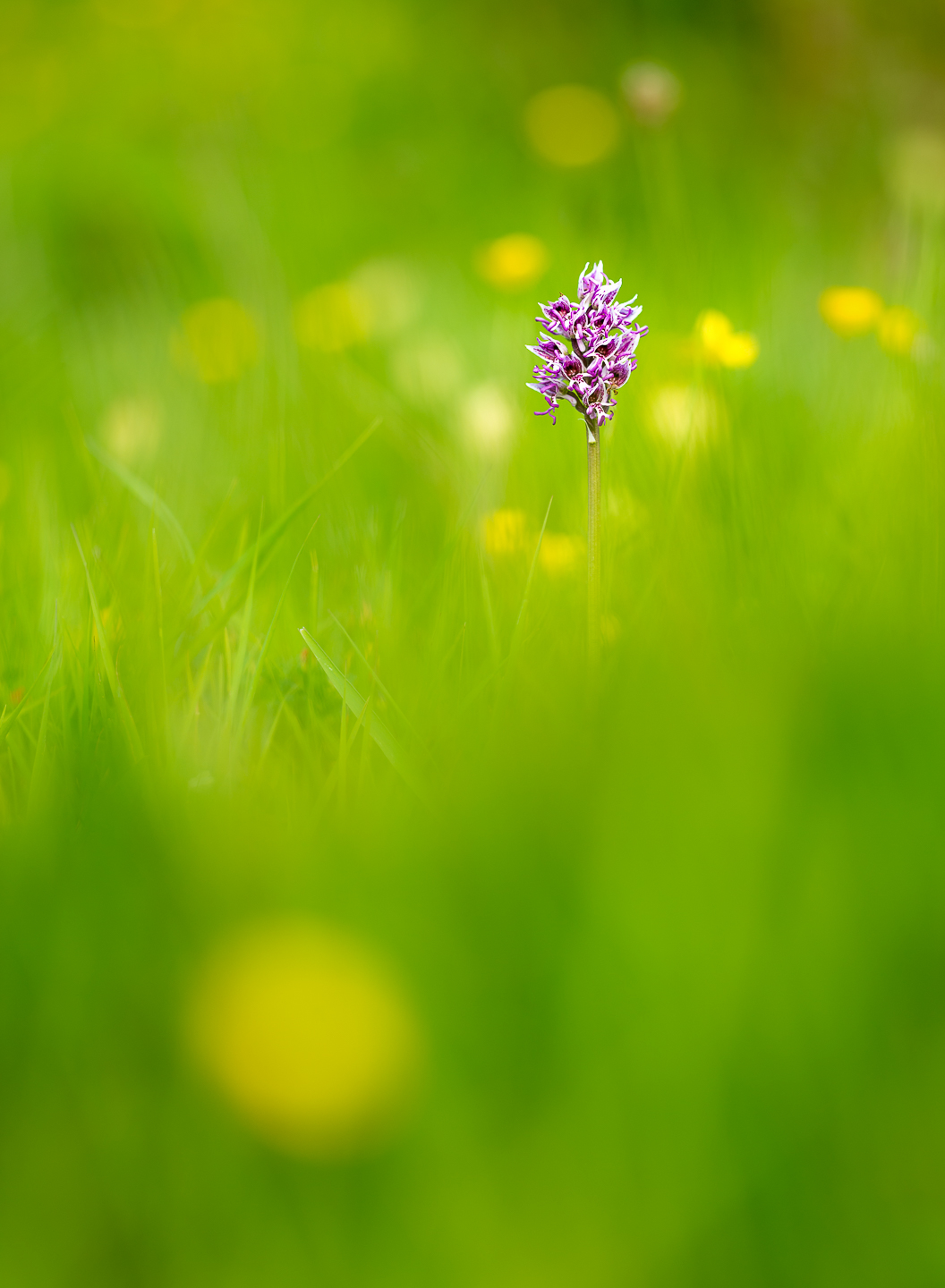
I compare these type of images to an environmental portrait you might see with a pretty model but instead with flowers or fungi. Even though most other elements in the frame are now completely blurred they are important in balancing the frame like with this buttercup above.
Another bit of kit I added that can be essential for this type of shooting is a beanbag. I have a good tripod that spreads out fully but even that is not low enough to shoot these small flowers at ground level. In these cases, there is nothing else for it but to get dirty and lie down on your stomach with the camera balanced on a beanbag.
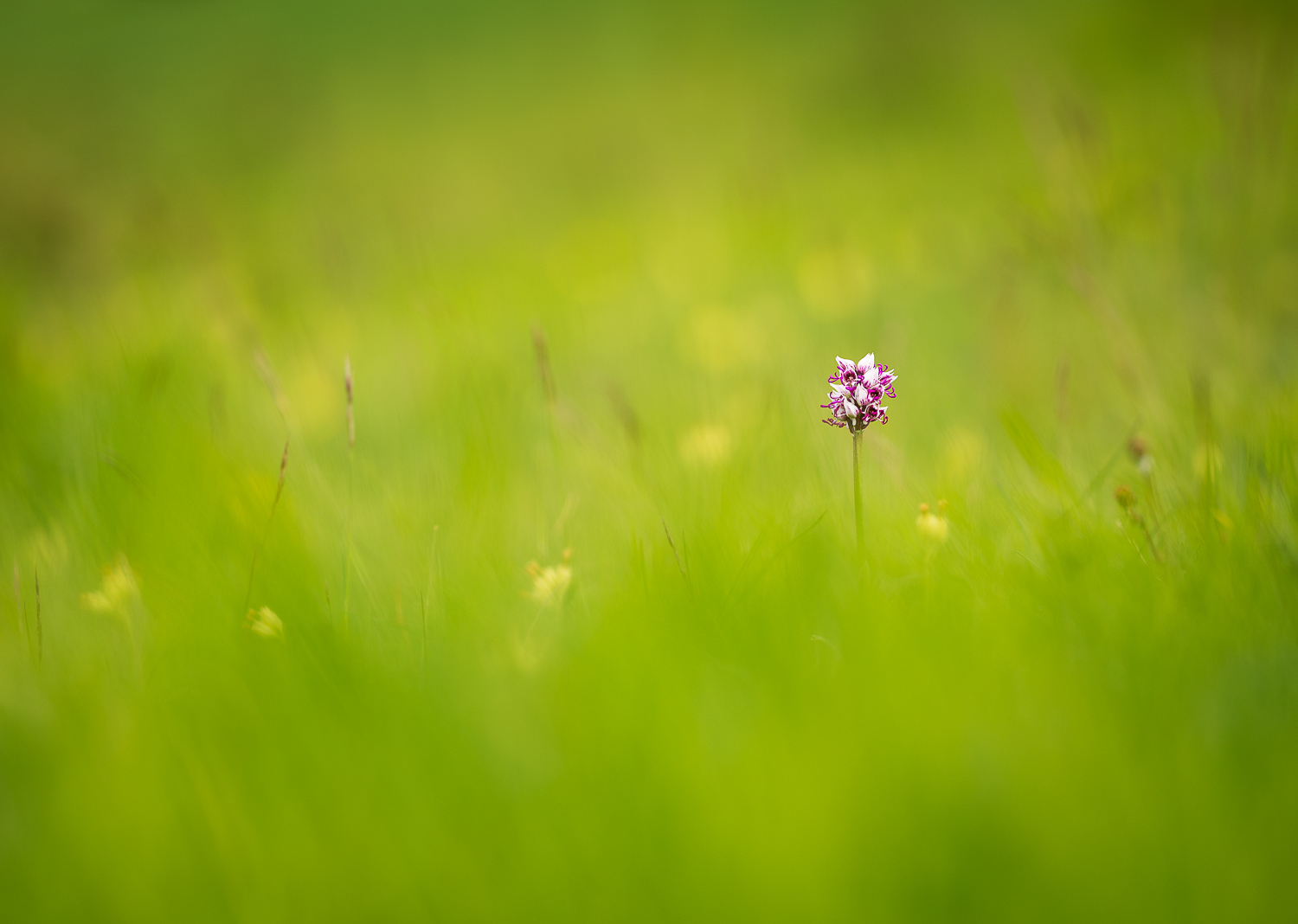
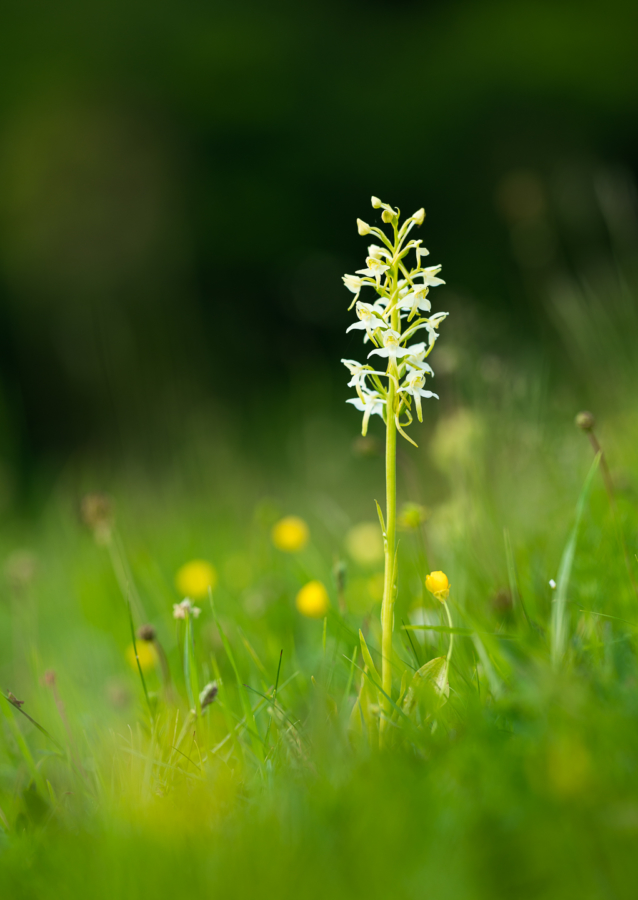
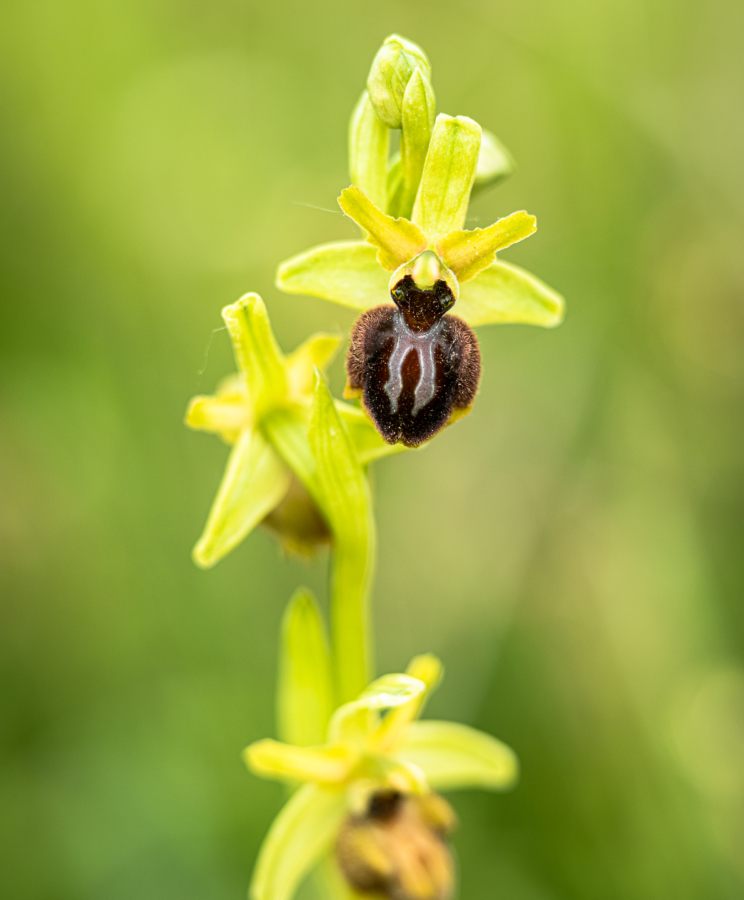
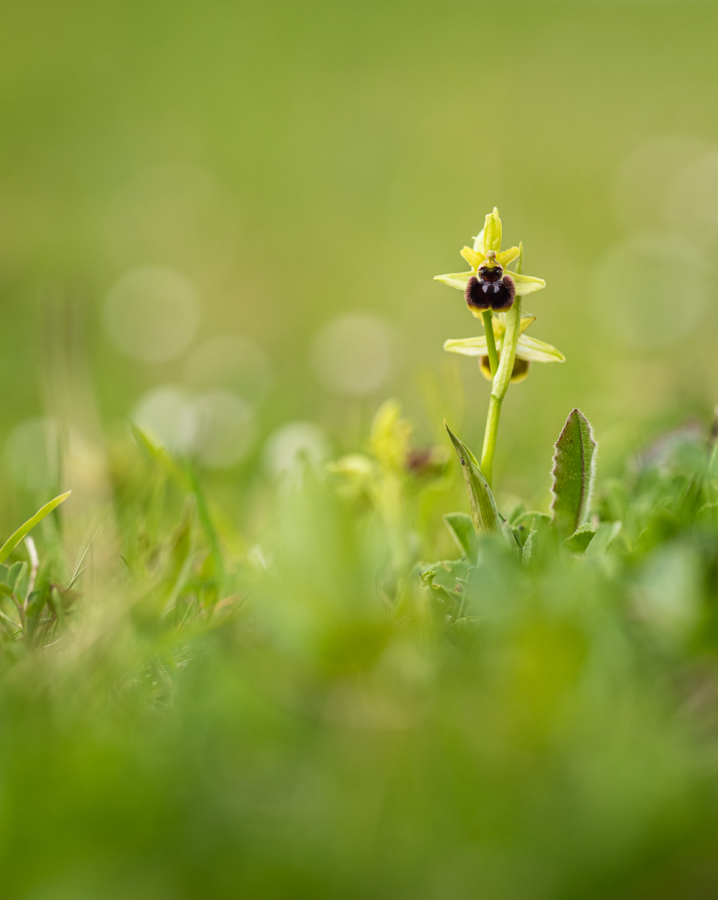
Later in the season the nearby Yocklett’s Bank nature reserve is a good place to see the Fly Orchid, if you can find them, they are super tiny! I love the blue-ish ‘eyes’ on these flowers, these are my favourites.
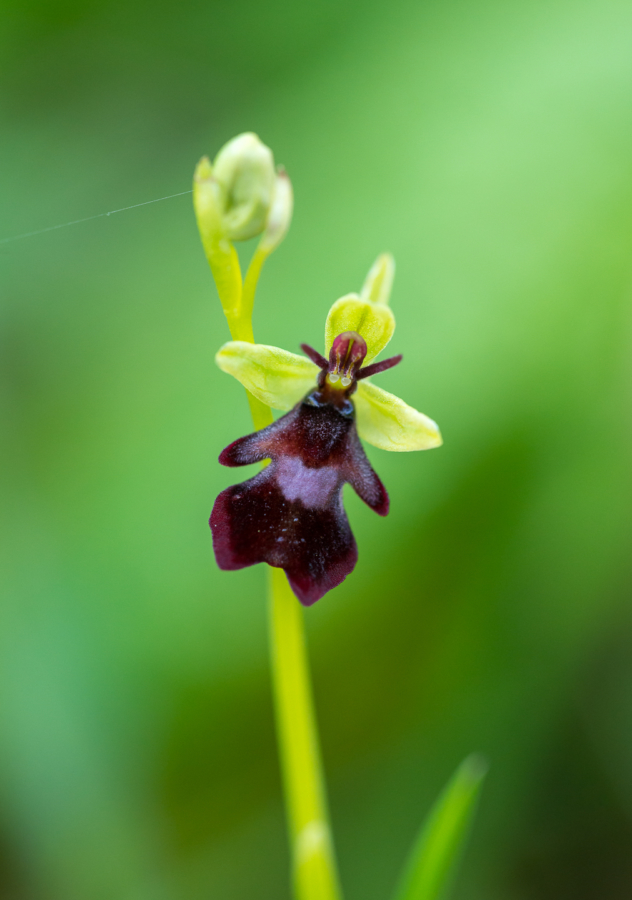
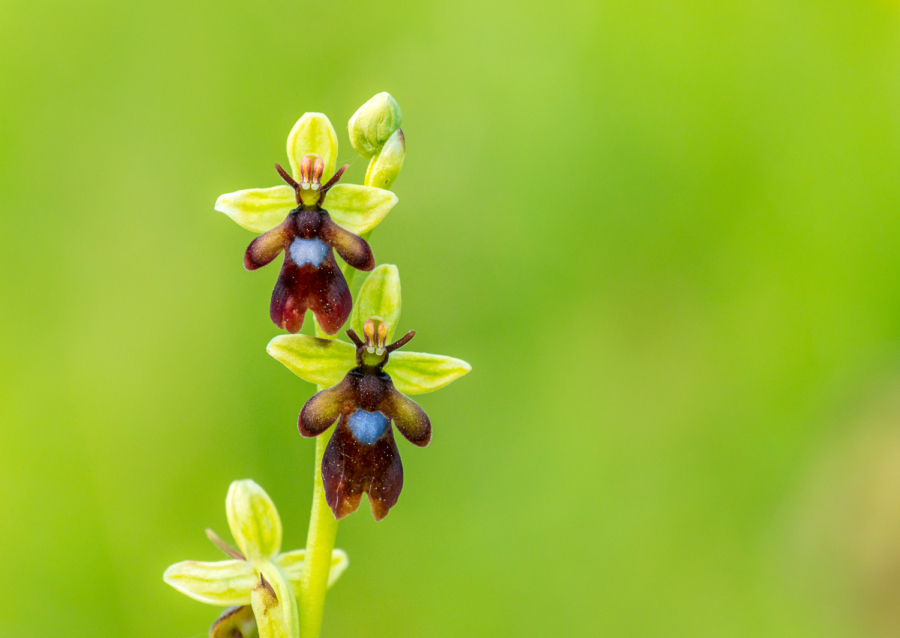
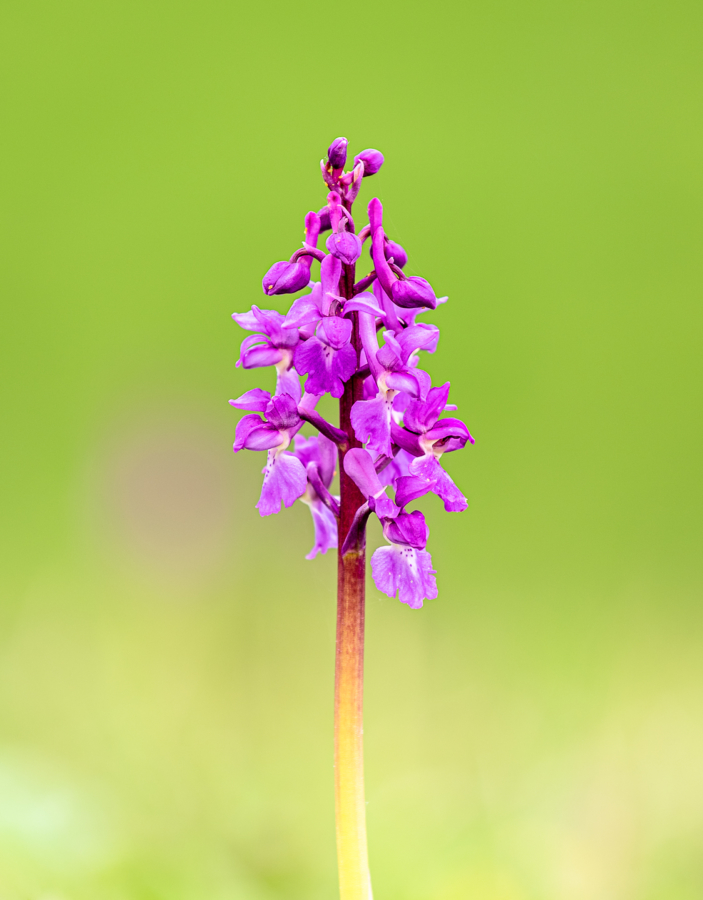
Here are a few other examples I shot in a few different locations in Kent. Hopefully, by the time they start to bloom the lockdown rules will have been relaxed.
Thanks for reading..! 🙂
I hope to add more species to the blog such as the Bee Orchid and others when I get out this season.
Feeling Blue
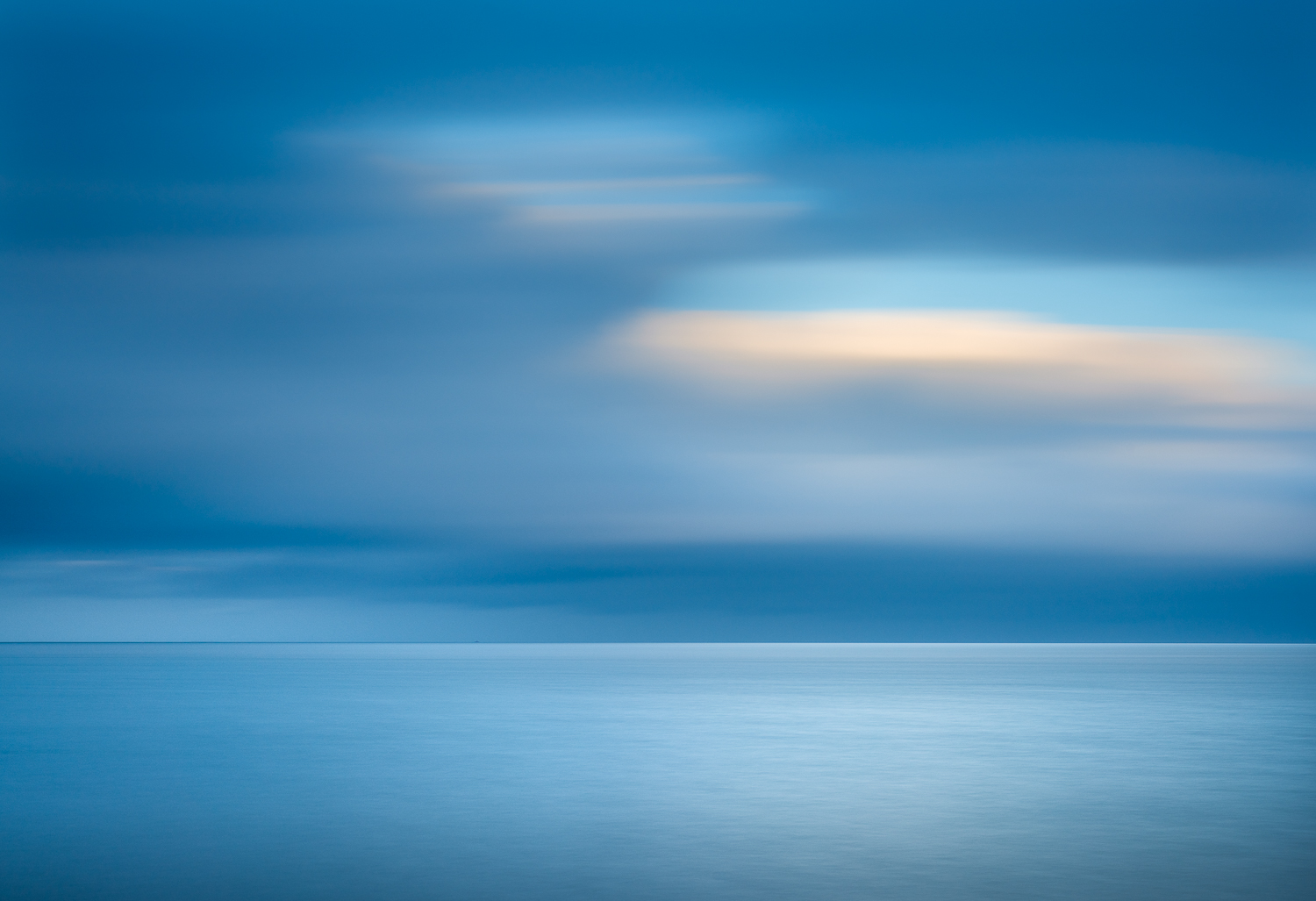
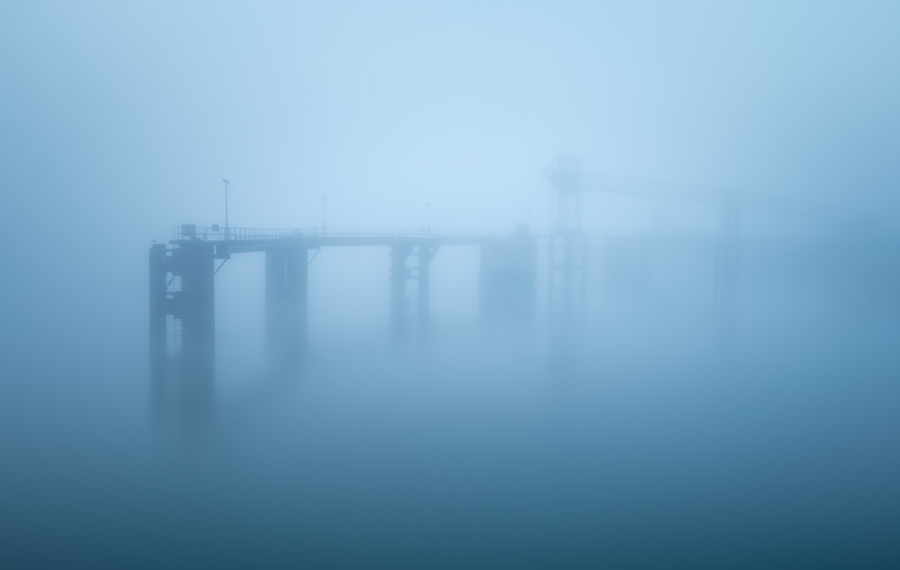
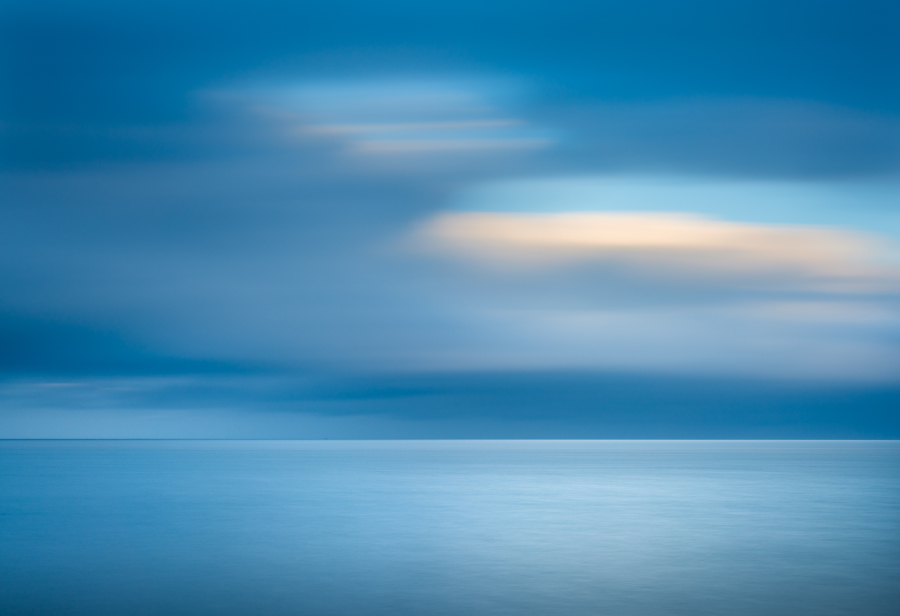
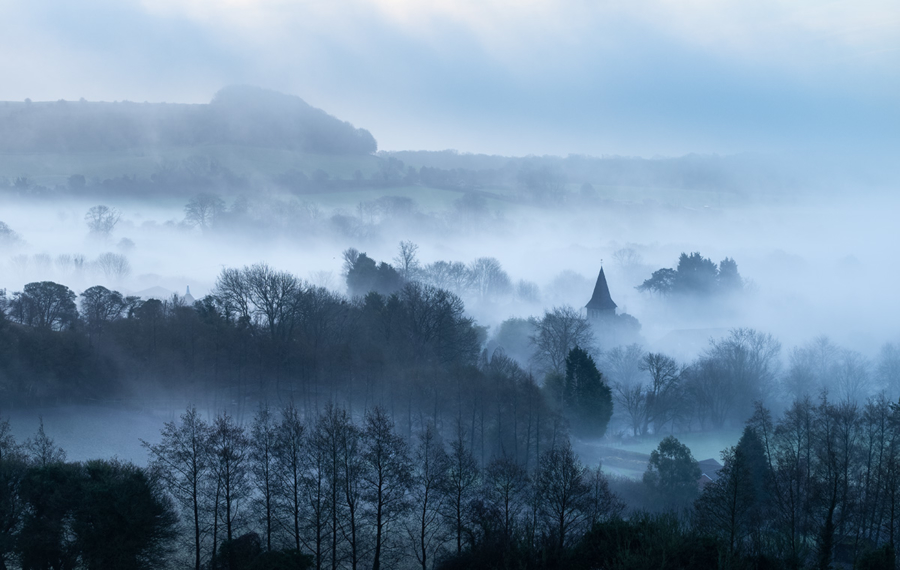
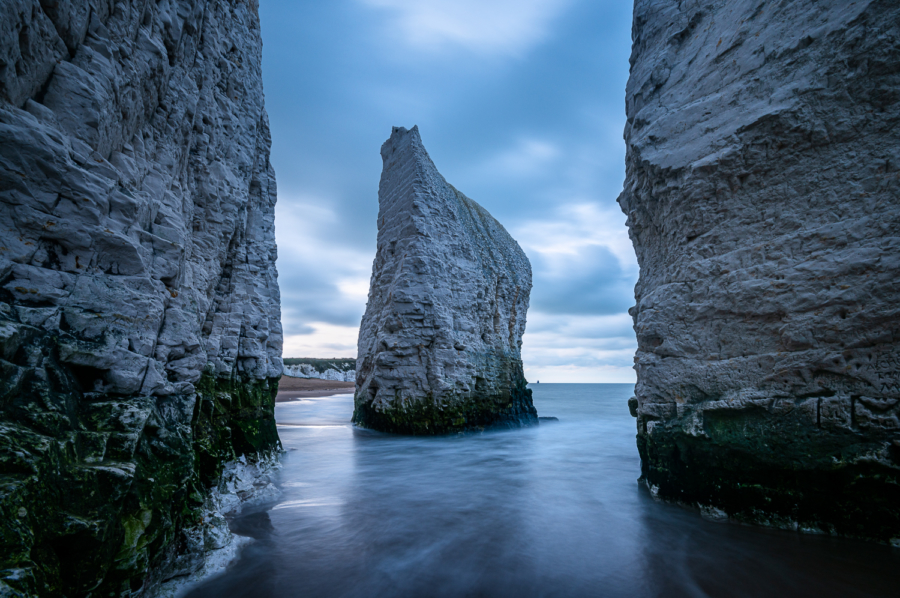
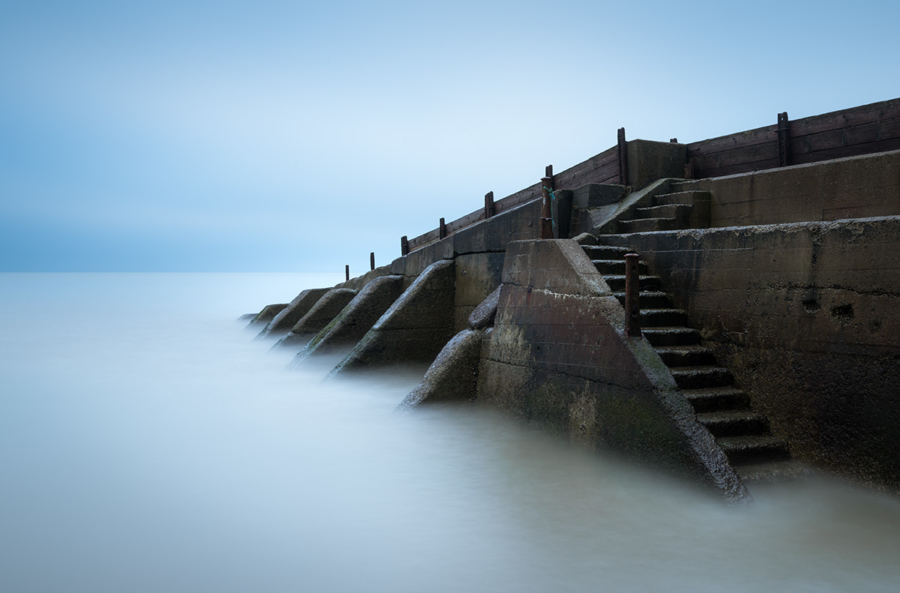
I’m a fan of the colour blue. I’ve noticed a growing collection of blue-dominant images in my work with the sea, skies and pre-dawn fog exhibiting the hues that I am increasingly drawn to. I have compiled together a few of my favourites in this blog. Hope you enjoy!
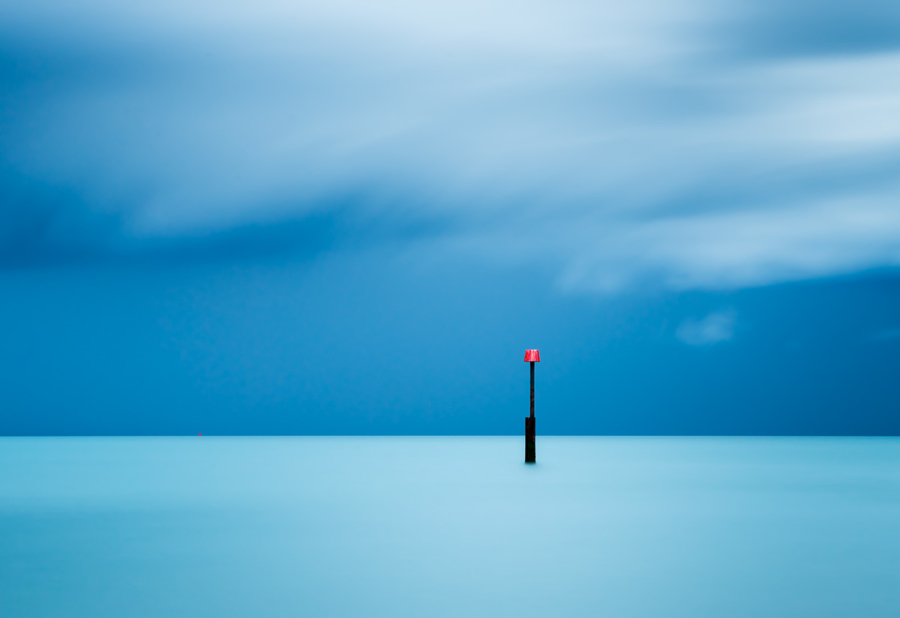
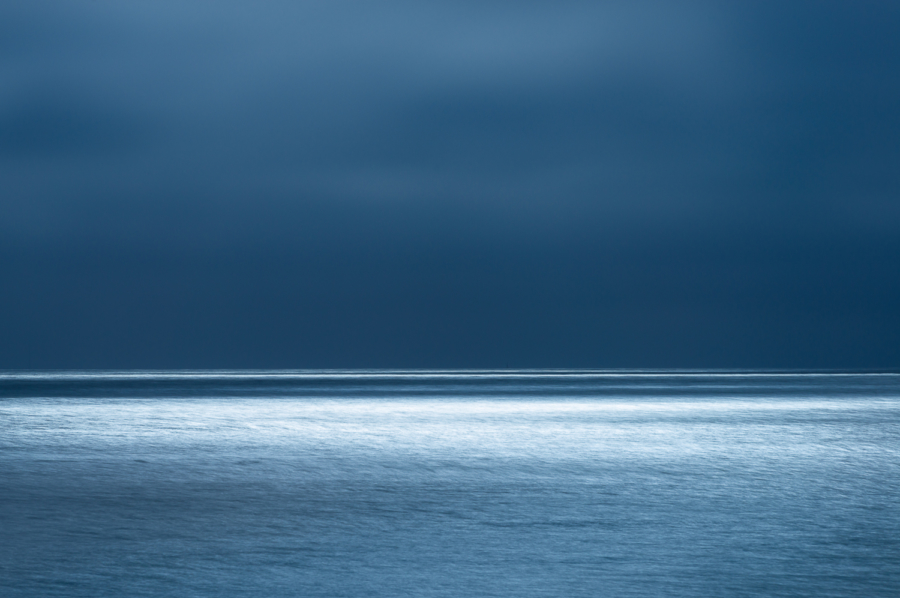
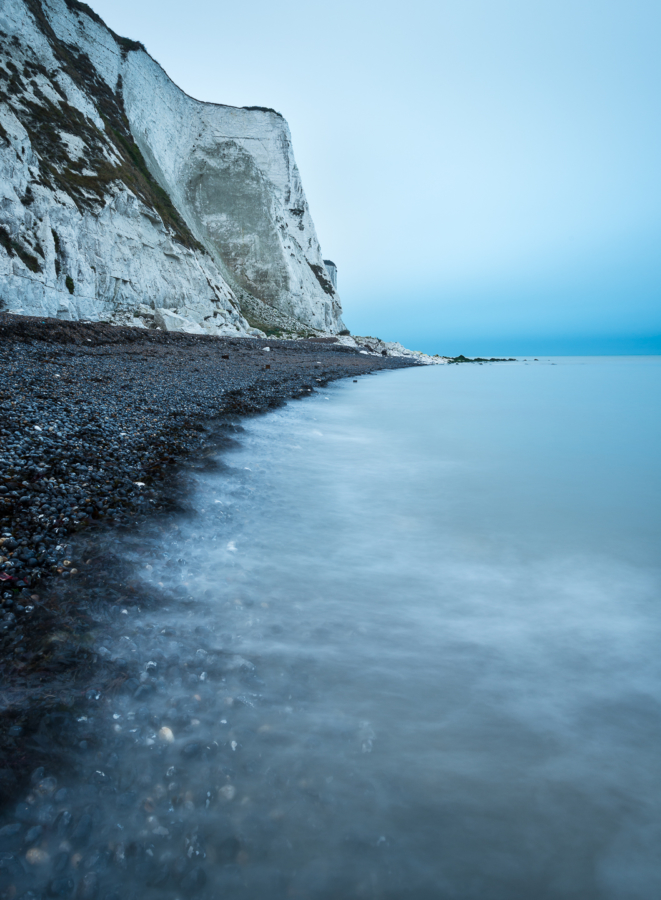
Thanks for looking!
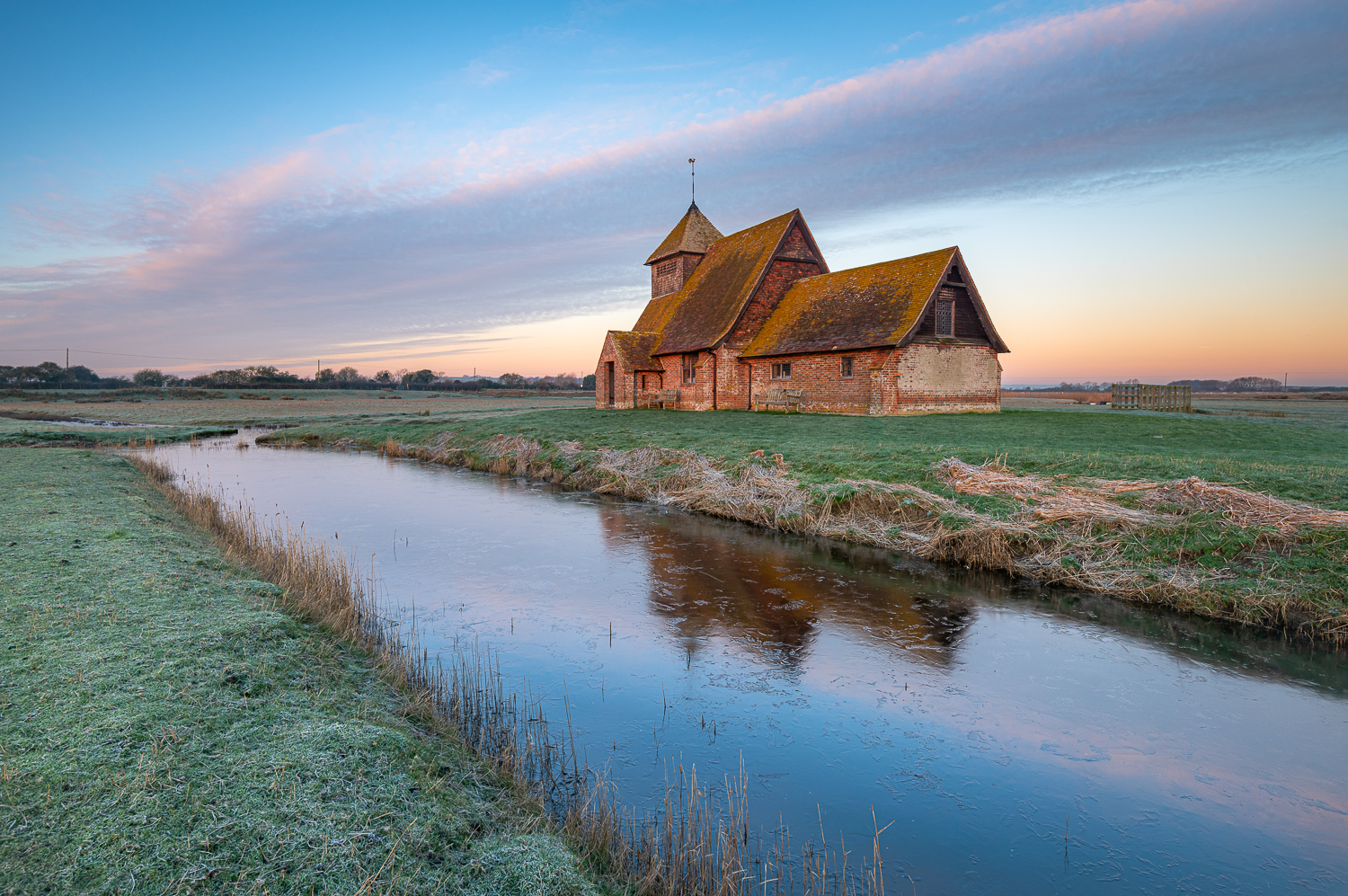
Fairfield Church
Fairfield church, also known as St. Thomas à Beckett church is an iconic isolated building on Romney Marsh in Kent. Little remains of the village it was first built to serve in the 13th century, Fairfield along with many other villages on the marshes vanished as the population fell, notably due to malaria which was prevalent in the area into the 1800s. The medieval church now sits alone in among the fields of grazing sheep, intersect with various watercourses and drainage ditches. These waterways offer fantastic opportunities to frame and reflect the church in all directions and are evidence of the practices in use to keep the sea from reclaiming the marshes.
I have compiled some of my favourite shots of the church in the different seasons and times of the day. As you will see, there are many ways to shoot this iconic structure..!
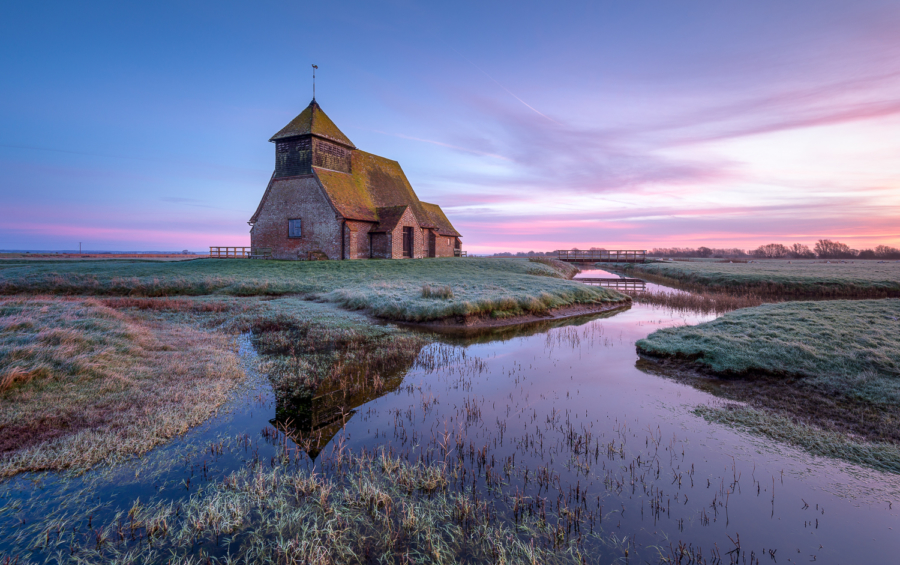
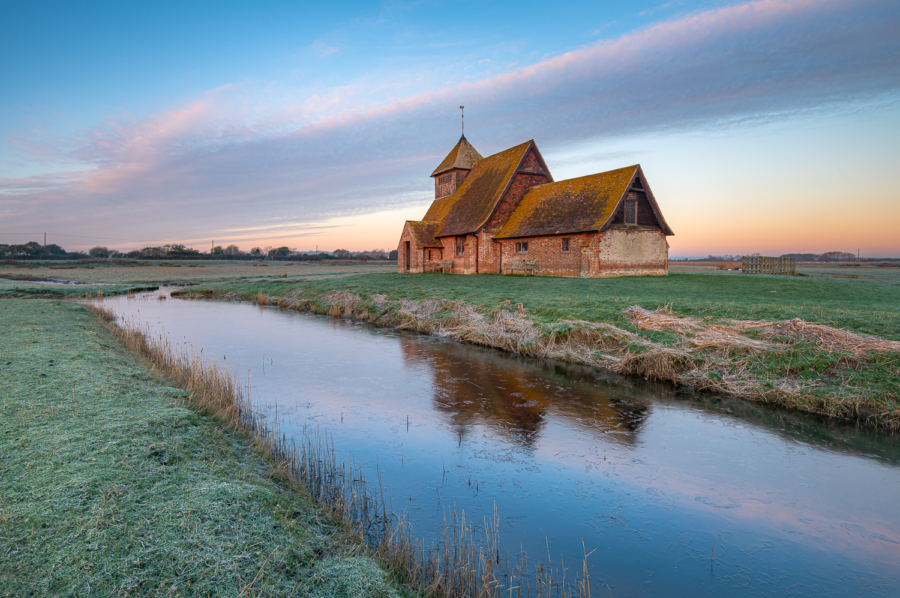
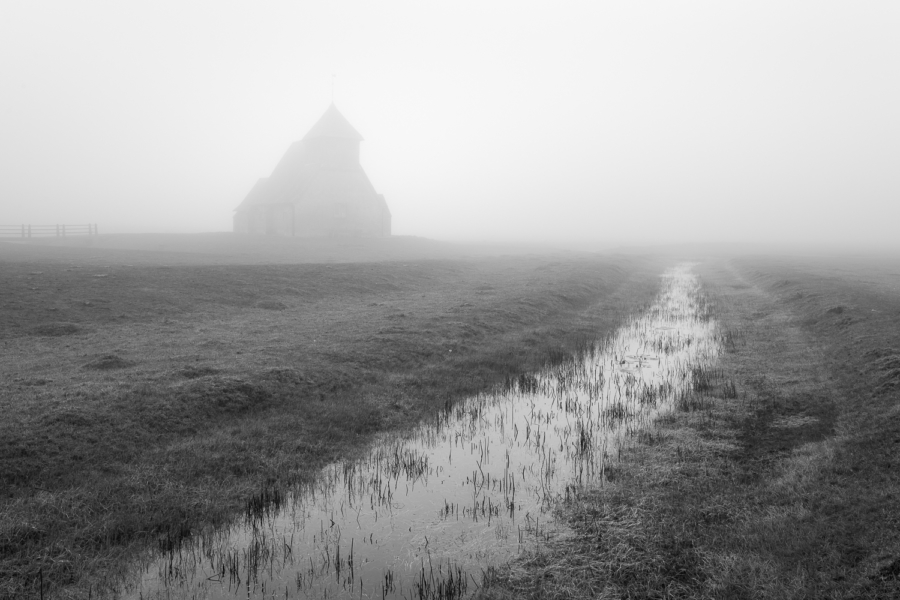
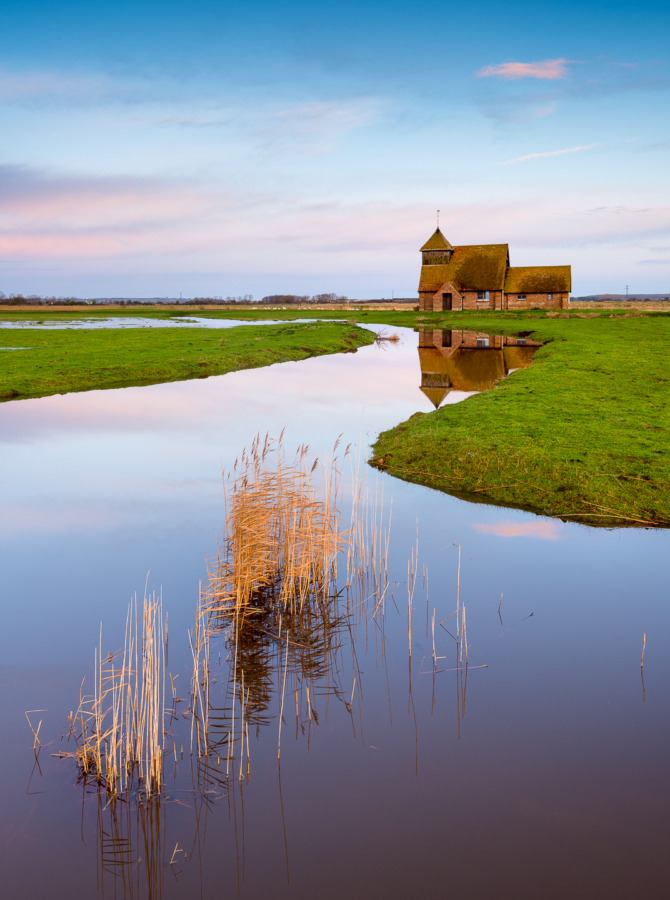
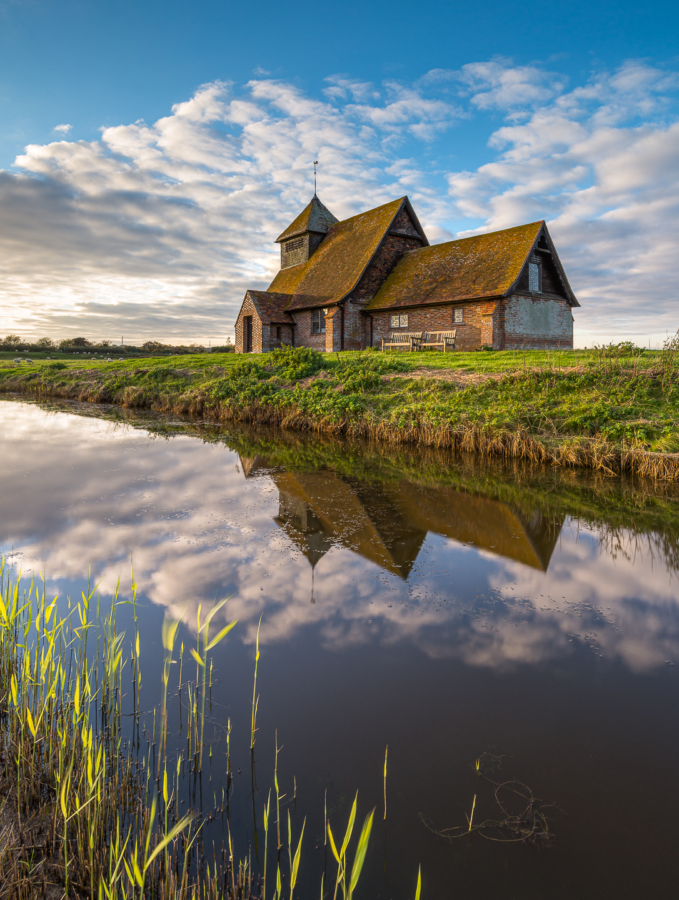
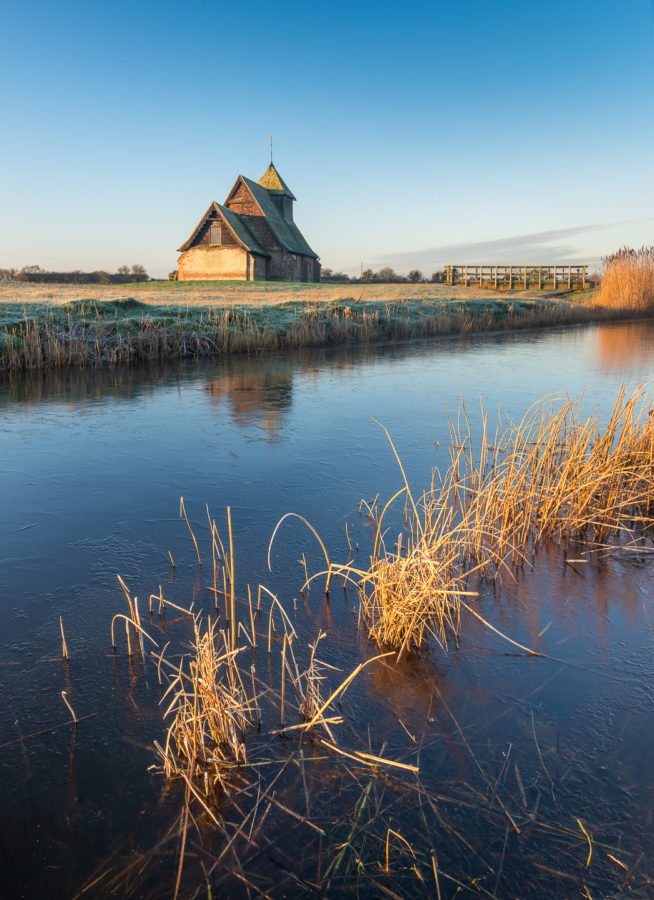
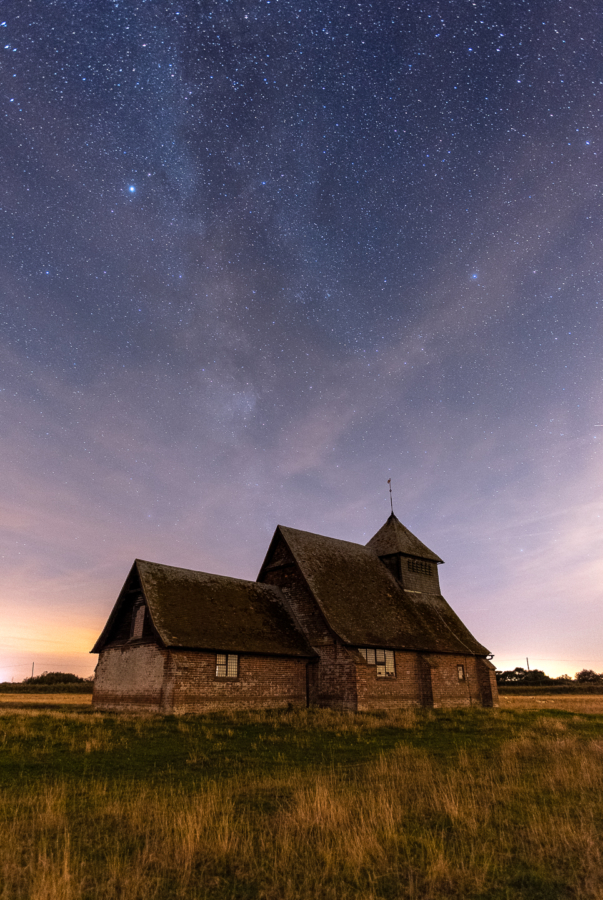
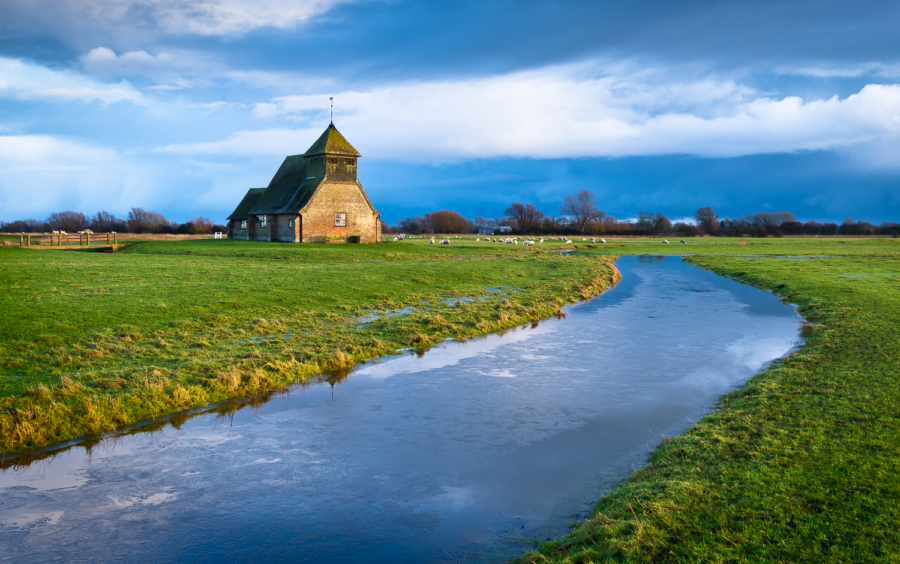
I’d better stop there although I have a few more..! As you can see, I’ve shot here a little bit over the years and yet it is still appealing to me due to the variety of angles available which all change depending on the time of day and when in the year you visit.
Thanks for viewing!
King’s Wood is one of Kent’s largest ancient woodlands. The 1500-acre forest located in the Kent Downs AONB is managed by the Forestry Commission and the Kent Stour Countryside Partnership and has a mix of broad-leafed and coniferous trees. The site is benefited from a diverse range of flora and fauna which can be explored via an array of trails and well-maintained paths; historically King’s Wood was a royal hunting grounds frequented by Henry VIII and herds of fallow deer still roam here today.
I have been visiting the woods for years specifically during the spring months to see the stunning bluebell display. I have tended to shoot here at dawn as my day job usually limits my photography evenings to the weekends. The optimal time to capture bluebells might only last for a few weeks and for good light to fall on a weekend, as I am sure you all agree, can be quite rare! Fortunately the start of bluebell season this year coincided with the Easter bank holidays so I would get a few extra bonus nights out in the woods; starting on Good Friday evening.
The vast size of King’s Wood means it can take a few exploratory trips to find promising spaces in which to shoot. I knew from my previous trips of an area near to the northern boundary of the forest which would get unimpeded golden light if we were to be so lucky. After parking up in the village of Molash and making the way to my chosen destination for the evening I could see that the woods were probably a week away from their peak; the bluebell carpet was still a little patchy and the woodland canopy had not yet hit it’s prime but I was determined to make use of this bonus outing.
As I walked along the narrow trails through the bluebells a tree with a fresh set of green leaves sparked my attention. The low golden light had begun to penetrate the woods, illuminating the leaves and side-lighting the trunk of this tree which helped separate it from the darker background. With my 135mm f2 lens attached I shuffled around to find the best angle I could remaining careful to avoid trampling any flowers! I set up my tripod and with live view engaged I manually focussed onto the tree with a large aperture. By using a shallow depth of field, I could blur the background to further isolate the tree and also reduce the foreground bluebells to a pleasing haze of colour. Finally, I added my landscape polariser to reduce any glare and strengthen the vibrant colours on display this year.
Not a bad way to spend a Good Friday!